 Follow Us on Google News
 Follow Us on Google Discover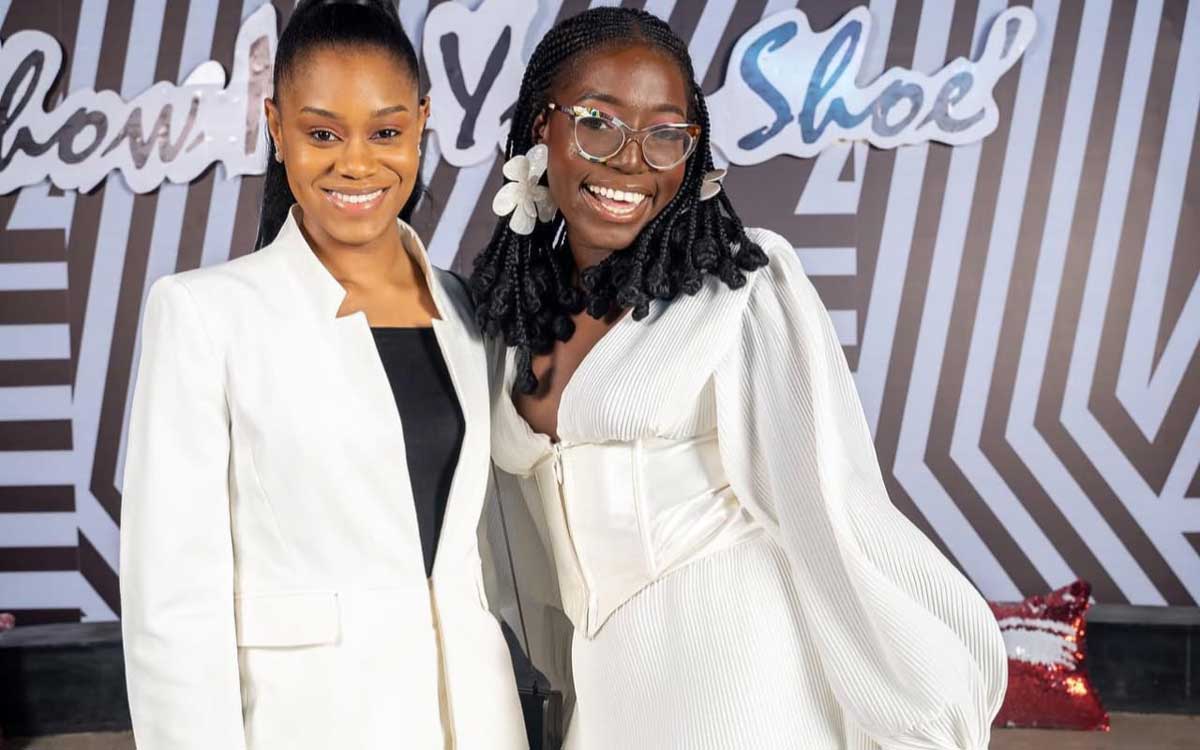
In a market where 75% of Gen Z skips ads and 69% find most advertising irrelevant, a critical disconnect exists between brands and young Nigerians. This is the problem Adekemi Thompson and Tomisin Akinwunmi, co-founders of THOMPSN FORGE, are determined to solve. Their impactful debut campaign, “Unmute Us”, is already sparking vital conversations about “cultural fluency” in brand communication.
The inspiration for THOMPSN FORGE stems from a recurring frustration Thompson and Akinwunmi observed among young Nigerians: “brands just don’t get it.” As Akinwunmi explains, “We kept hearing the same thing over and over: ‘This ad doesn’t speak to me.’ Whether from music creatives, fashion entrepreneurs, or university students, they felt like brands were showing up in their spaces, but not for them.
Thompson’s journey began in corporate communications, where she witnessed a stark disconnect between goals and cultural realities. “You’d sit in meetings where everyone agreed they needed to reach young people, but the strategies felt like they were designed by people who had never actually hung out with young people,” she recalls.
This highlights what THOMPSN FORGE calls the “translation problem”: brilliant cultural insights are lost between conception and execution. Traditional agencies, they argue, aren’t equipped for communities that communicate in memes and instantly detect inauthenticity. Thompson emphasizes, “Everyone wants to ‘tap into culture,’ but very few actually understand the communities behind it.” Her diverse experience in Nigeria and abroad provided clarity on “what not to do” – watching solid briefs fail because the crucial question, “Does this really resonate?” was never asked.
The “Unmute Us” campaign is the culmination of months of deep cultural listening through Instagram polls, TikTok threads, group chats, and real-life hangouts, uncovering patterns traditional market research often misses. Akinwunmi notes, “One major pattern was exhaustion. Young people are tired of being marketed to in ways that feel robotic or exaggerated. They told us clearly: ‘We don’t hate ads, we just hate ads that talk down to us or don’t get us.'”
The research revealed frustrations with “cringe influencer marketing,” aggressive pop-ups, and “brands pretending to be my friend when they obviously aren’t.” More profoundly, it surfaced a craving for realness and authenticity beyond mere aesthetics. Thompson adds, “Brands that show up with honesty, not just aesthetics. They can tell when you’re faking it, and they’ll mute you for it.”
Despite its critical lens, “Unmute Us” is garnering positive feedback from corporate leaders. “Many have actually said, ‘We needed this, ‘” Thompson shares. This constructive reception is by design; THOMPSN FORGE isn’t just critiquing but developing solutions: brand audits, youth sentiment reports, live panels, and custom strategy packs that translate cultural insights into actionable business tools. “Everything we’ve gathered is being translated into strategic tools,” Akinwunmi confirms.
THOMPSN FORGE’s 2025 plans include a content lab focused on West African youth subcultures, original insights through docu-series, and expanded B2B tools for brand implementation. “We’re building more than an agency,” Akinwunmi clarifies. “We’re building infrastructure for ongoing cultural intelligence.”
Their advice to other young creatives is simple: “Don’t try to be everything. Just be honest—in your voice, your craft, and your vision,” says Thompson. “Culture rewards originality, not mimicry.” The core message of “Unmute Us” resonates: “Stop assuming you know your audience. Start listening. The answers you need aren’t in your boardroom, they’re in the culture you’re trying to reach,” Thompson emphasizes. For Nigerian brands, the choice is clear: evolve authentic engagement strategies or risk losing the loyalty and attention of future generations.

