 Follow Us on Google News
 Follow Us on Google Discover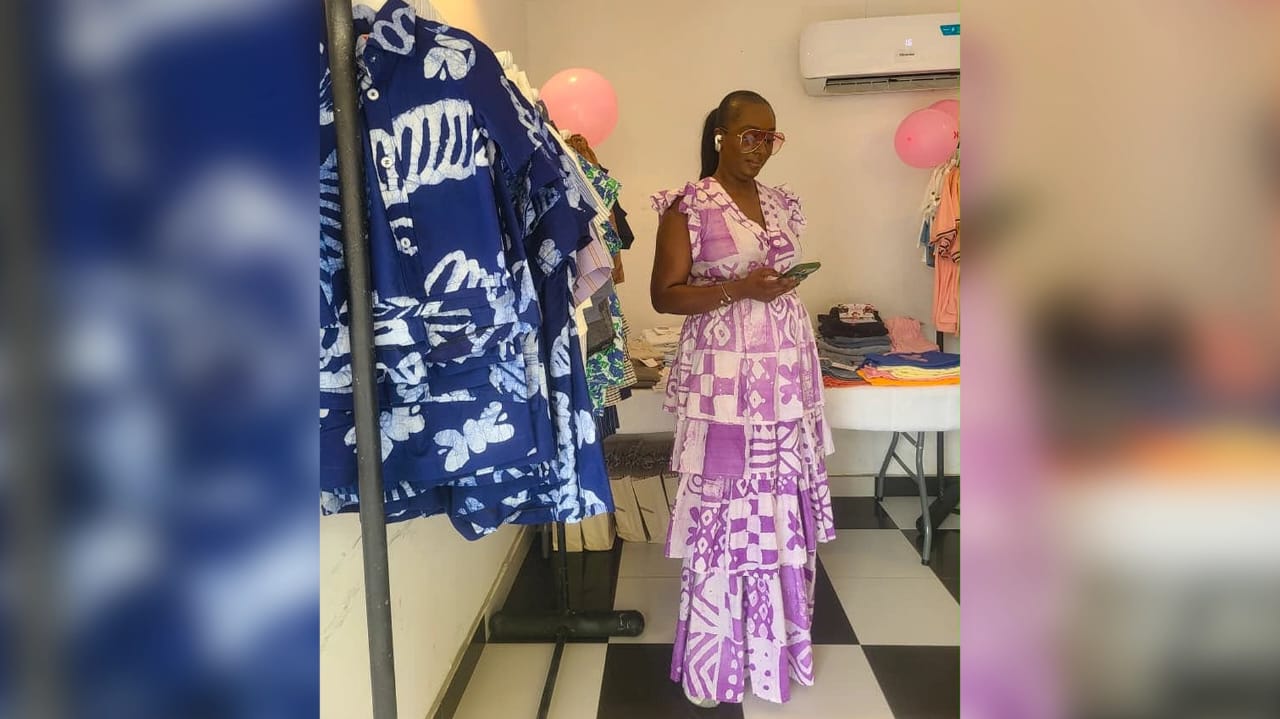
The Federal Government has been urged to institute sweeping policy reforms, consolidate overlapping tax regimes and lower the barriers to industrial credit to protect indigenous manufacturers from premature collapse and position local brands for global competitiveness.
Making the call in Lagos, the Chief Mom Officer of homegrown children’s apparel brand Lovekids, Isioma Chukas, asserted that Nigerian-made commodities possess the latent capacity to rival international benchmarks, provided they are backed by deliberate state intervention, strategic funding and robust consumer confidence.
Reflecting on the structural obstacles inherent in building a domestic manufacturing footprint, Chukas described the local entrepreneurial ecosystem as uniquely punitive.
She identified the high cost of premium production, multiple tax compliance frameworks and an acute deficit of accessible growth capital as severe systemic headwinds.
According to her, maintaining a production standard capable of matching Western imports has necessitated substantial capital layout for intense artisanal training and rigid, zero-compromise quality control metrics.
“It has not been rosy at all. Producing in Nigeria is difficult,” Chukas stated. “Maintaining quality, meeting Western standards and training workers have been major challenges. Access to capital has also been very difficult.”

Despite these operational friction points, Chukas revealed that Lovekids has sustained its market expansion exclusively through personal equity and family support, noting that the enterprise has absorbed neither state grants nor commercial bank loans since its inception.
She appealed to fiscal authorities to introduce targeted interventions for early-stage manufacturers.
“ Granting tax reliefs to indigenous manufacturers during their formative decade to cushion high operational overheads. Collapsing the bureaucratic maze of multiple tax levies across different tiers of government into a single, transparent channel and engineering credit facilities that are easily accessible to small-scale enterprises without prohibitive collateral bottlenecks will mitigate these pressures on small and medium enterprises (SMEs)”
Beyond infrastructural and financial remedies, Chukas underscored the urgent need for a psychological pivot among domestic consumers. She challenged state agencies to aggressively spearhead public enlightenment campaigns to champion local brands, lamenting that a segment of the domestic market remains reflexively skeptical of local workmanship.
“We need to re-educate Nigerians,” Chukas argued. “Made-in-Nigeria does not mean inferior quality. Our fabrics are 100 per cent cotton, durable, and can even be passed from one child to another. Nigerians should buy Nigerian brands because they are just as good, if not better.”
She maintained that a collective shift toward local consumption is a macroeconomic necessity required to systematically curb import dependence, conserve foreign exchange reserves, and stimulate industrial employment.
Advising emerging entrepreneurs against despondency in the face of current macroeconomic volatilities, Chukas remarked: “Start where you are. Start small. Don’t compare yourself with others because many people’s journeys are undocumented. Just keep growing steadily.”
Sharing her entrepreneurial journey, she said she founded Love Kids after identifying a gap in the market as a mother searching for quality everyday clothing for children.
She explained that while many fashion brands focused on adults, very few catered to children’s casual and occasion wear.
“I started from my boys’ quarters, not from a big store. I started online and kept reinvesting every income back into the business. Entrepreneurship is not for people looking for overnight success. It is for the long haul,” she said.
Looking ahead, Chukas disclosed plans to establish a physical store in Lagos before expanding to other states and eventually across Africa.
She also addressed concerns over the quality of Nigerian-made products, saying Lovekids was founded specifically to eliminate the disappointment many consumers experience with substandard goods.
“I understand why some people are skeptical about Nigerian products. That is exactly why we pay attention to quality. We want parents to buy our products with confidence, knowing they will get value for their money,” she said.
Expressing optimism about the company’s future, Chukas said Lovekids was built to become a multigenerational brand.
“Our vision is to still be here in the next 150 years. With the right support and capital, Love Kids will continue to serve generations of Nigerian and African children,” she said.
One of the customers, Adenike Oyetunde-Lawal applauds quality, consistency of indigenous children’s fashion brand
The brand’s insistence on durability and rigorous craftsmanship has drawn praise from civil society and brand management experts, who view its trajectory as a case study for sustainable domestic substitution.
Human rights advocate and consumer, Adenike Oyetunde-Lawal commended the rapid maturation of the domestic apparel sector, stating that the deliberate focus on children’s wear addresses an often-neglected demographic in the fashion value chain.
“In the last five to six years, Nigerian brands have done astronomical things in the fashion space,” Oyetunde-Lawal observed. “To see a brand dedicate its efforts to producing made-in-Nigeria garments for children is phenomenal. The quality is really good and very impressive.”
Oyetunde-Lawal added that the brand offers a critical intersection of sustainability, visual appeal and economic value for parents navigating tight household budgets.
Similarly, the founder of AS Management Agency, the firm overseeing the brand’s positioning, Rhoda Kusimo-Iloba,
emphasized that partnering with local initiatives represents an investment in national self-sufficiency.
“I am patriotic and as a Nigerian, I believe we should support our own brands,” Kusimo-Iloba said.
“Nigeria is increasingly becoming a hub for entrepreneurs returning home to build businesses. Our brands are sustainable, affordable, and accessible. Because children are often sidelined in fashion conversation, supporting an enterprise exclusively dedicated to them was an unambiguous choice.”

