 Follow Us on Google News
 Follow Us on Google Discover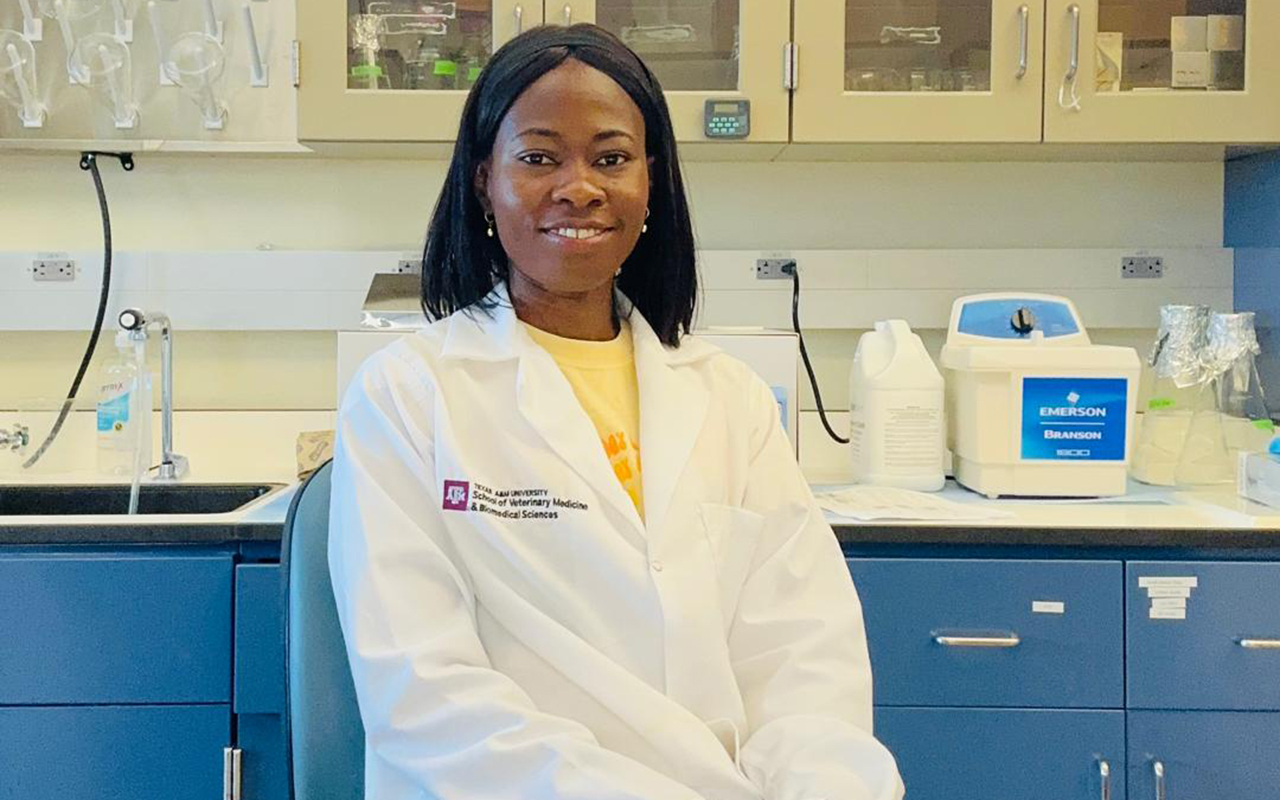
Emmanuella Amara Ofoka, a multidisciplinary scientist with expertise in biotechnology, microbiology, cell biology, and molecular biology has disclosed her future plans are to develop solutions that improve human health.
In an interview with The Guardian, she said the
plans include, developing innovative solutions to improve human health, whether through novel anti-infectives or biomaterials for tissue repair.
Ofoka’s research path connects microbial pathogenesis with bone tissue repair. Previously at Western Kentucky University, she conducted pioneering research on the Legionella pneumophila effector protein Ceg10, which manipulates host cells during infection.
Her work revealed how intracellular pathogens like Legionella hijack host pathways, potentially causing severe pneumonia in immunocompromised individuals.
“The bacterial effector Ceg10 shares significant sequence identity with human PPAR gamma, a nuclear receptor involved in inflammation and metabolism,” Ofoka explained. “My research explored whether this effector could mimic host proteins to alter immune regulation.” Using molecular biology techniques, protein modeling, and cell transfection assays, Ofoka deepened the understanding of bacterial-host protein interactions.
Currently at Texas A&M University’s College of Veterinary Medicine and Biomedical Sciences, Ofoka has shifted her focus to bone regeneration and repair. She studies unfolded proteins in the Endoplasmic Reticulum (ER) and their impact on bone repair in obese and type 2 diabetic patients.
“Transitioning from infectious disease to tissue engineering may seem like a leap, but both fields center on how cells respond to external stimuli,” Ofoka noted. Her current research employs various techniques to assess how experimental treatments affect bone density, healing, and regeneration in animal models.
Ofoka’s interdisciplinary approach integrates chemical and cellular perspectives to tackle complex biological questions. She believes integrating insights from infection biology into regenerative medicine could address challenges in wound healing, bone loss, and implant-associated infections.
“Cellular communication and molecular signaling are the common threads, whether it’s bacteria invading tissues or bones repairing themselves,” she emphasized.
Her journey exemplifies a new generation of scientists driving innovation through collaboration and creative problem-solving.

