 Follow Us on Google News
 Follow Us on Google Discover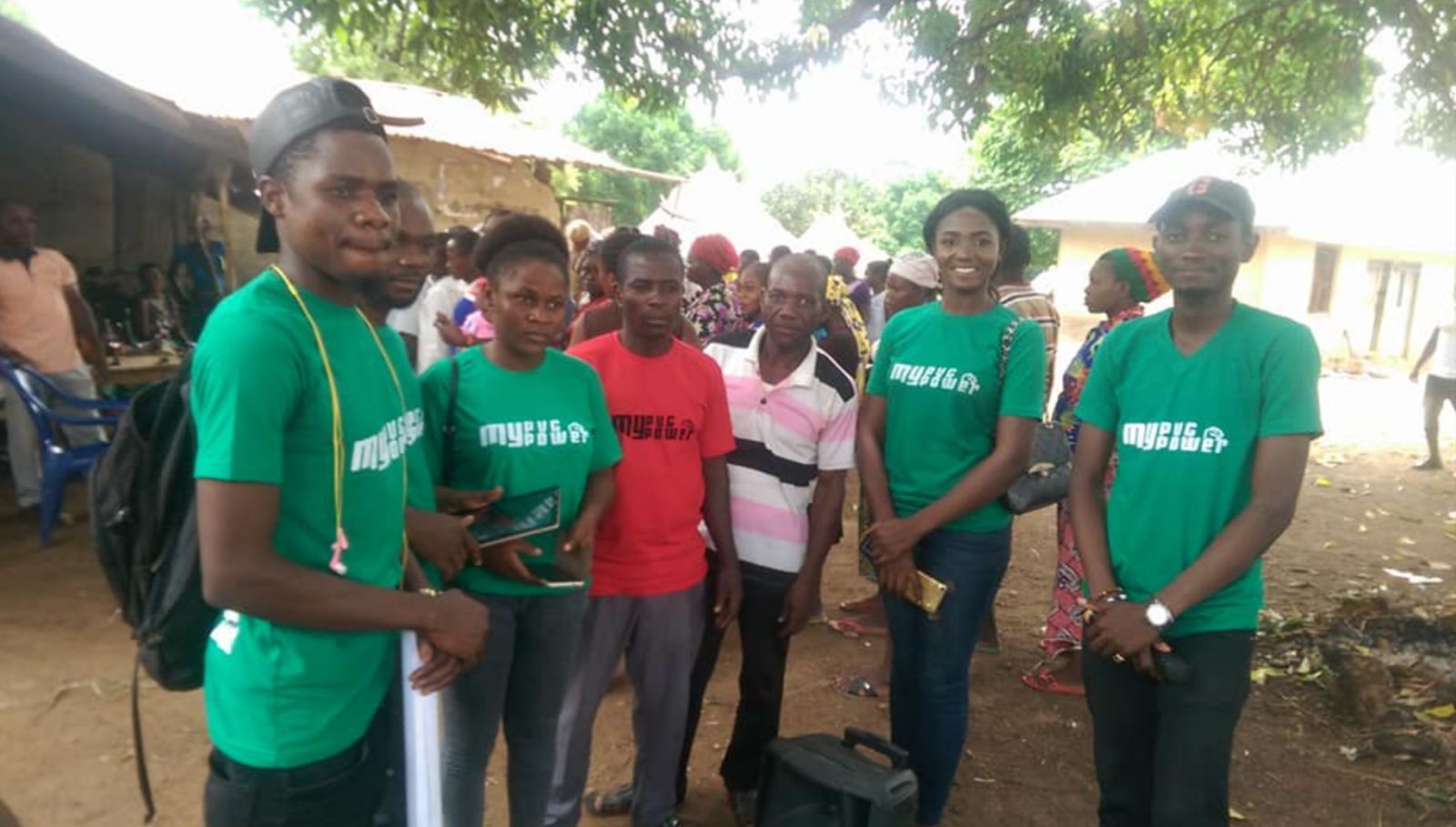
 In North Central Nigeria – Benue, Taraba, Nasarawa, Abuja, and Kogi, millions of children remain deprived of education due to systemic challenges, insecurity, and policy neglect. As the nation approaches another election cycle, Olohi Learning and Education Humanitarian Initiative, a non-profit advocating for inclusive and equitable education, has launched its My PVC, My Power campaign. This initiative seeks to mobilize voters to elect leaders committed to policies that ensure access to quality education for all children, particularly the marginalized.
[ad]
“Education is the foundation of equitable development and social progress. Yet, across North Central Nigeria, millions of children, especially girls, remain out of school due to poverty, insecurity, and deeply rooted inequalities,” said Victoria Omachi, founder and spokesperson of Olohi Learning and Education Humanitarian Initiative. “With this election, voters have a unique opportunity to demand leaders who will champion reforms that address these barriers and prioritize education equity.”
Many schools remain closed due to insecurity, while cultural and economic barriers limit girls’ access to education. These challenges compound inequalities, leaving vulnerable children without pathways to a better future. The My PVC, My Power campaign highlights the urgency of addressing the out-of-school crisis, which disproportionately affects girls and impoverished communities. By focusing on issues such as insecurity, lack of infrastructure, and inadequate teacher training, the initiative underscores the critical need for systemic solutions.
During a sensitization event in Makurdi, Benue State, Omachi called on voters to reflect on the transformative potential of education in addressing cycles of poverty and underdevelopment. “The power to change our children’s future lies in our PVCs,” she emphasized. “By electing leaders who understand the importance of education and are willing to make bold investments, we can rebuild schools, create safe learning spaces, and ensure that every child has an opportunity to thrive.”
The My PVC, My Power campaign employs a multi-pronged strategy, including grassroots mobilization, media outreach, and advocacy with policymakers. In partnership with community leaders and educators, the initiative hosts town halls, radio broadcasts, and outreach programs to sensitize voters on the need for education-focused leadership.
The campaign also advocates for policies that advance gender equity in education, calling for targeted investments in programs that keep girls in school, prevent early marriage, and address cultural biases.
“As we approach the elections, we urge lawmakers and candidates to prioritize education reform,” said Omachi. “Investments in education must go beyond rhetoric to actionable policies that address the barriers preventing millions of children from accessing their right to learn. This is how we build a stronger, more inclusive Nigeria.”

As Nigeria approaches a critical electoral period, Olohi Learning and Education Humanitarian Initiative challenges lawmakers to prioritize education in policy and governance. Investments in education must extend beyond promises to practical interventions that address the root causes of exclusion, from insecurity to gender-based disparities. Through its My PVC, My Power campaign, Olohi Learning and Education Humanitarian Initiative continues to inspire citizens to advocate for a brighter future for all children. The organization’s vision is clear: a Nigeria where every child, regardless of gender, location, or socioeconomic status, can access quality education and reach their full potential.
[ad]

