 Follow Us on Google News


 Follow Us on Google Discover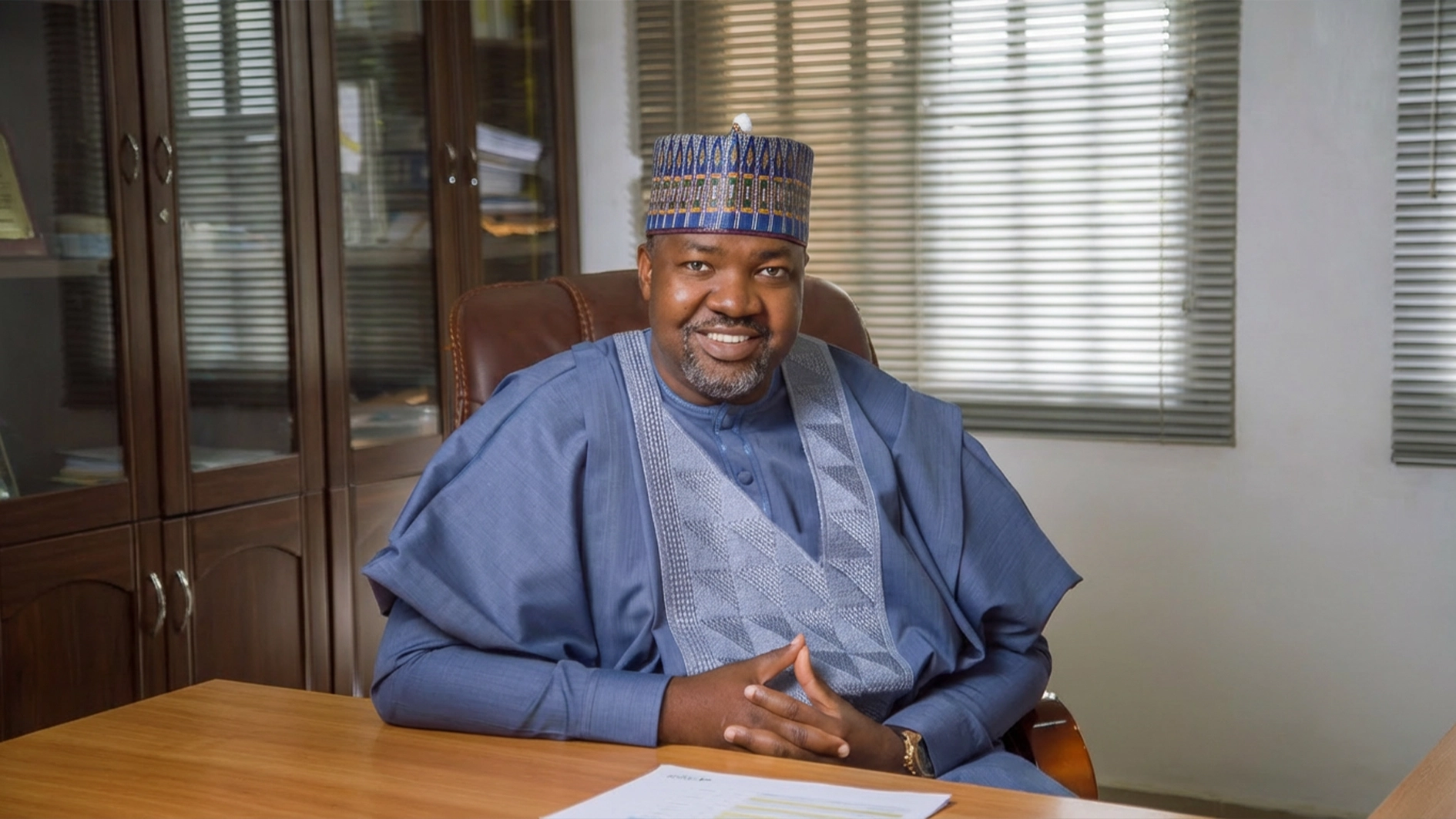
The Director-General of the National Biosafety Management Agency (NBMA), Bello Bawa Bwari, has said biotechnology and life sciences are rapidly transforming research, agriculture, medicine and environmental management in Nigeria.
Bwari made the assertion in Abuja during a Train-the-Trainer Capacity Building Programme on Biosafety, Biosecurity, Biorisk Management, Waste Management and Community Engagement, organised by the NBMA in collaboration with the National Open University of Nigeria (NOUN).
He explained that the training comes at a critical time when advances in biotechnology and other scientific innovations are opening new opportunities for national development, while also requiring robust systems to ensure safety, responsibility and public confidence in the technologies being deployed.
“As the national regulatory authority responsible for biosafety and biosecurity in Nigeria, we remain firmly committed to strengthening national capacity to effectively manage potential biological risks,” Bwari said.
The NBMA boss noted that capacity building and knowledge transfer remain central to achieving this objective, adding that the training model is designed to equip participants with the skills required to disseminate knowledge within their institutions, professional networks and communities.
According to him, participants would engage in intensive sessions covering biosafety principles, biosecurity practices, biorisk management systems and strategies for effective community engagement.

“These are essential for ensuring compliance with national regulations and international best practices in the safe application of biotechnology,” he added.
Also speaking at the event, the Deputy Vice-Chancellor of the National Open University of Nigeria, Christine I. Ofulue, said the workshop marks the first in a series of activities under the recently signed Memorandum of Understanding between the university and the National Biosafety Management Agency.
Ofulue noted that in an era of rapidly advancing biotechnology, genetic research and modern agricultural innovations, biosafety has become a critical national and global priority.
“Biosafety helps prevent harm to human health, protects biodiversity and safeguards our ecosystems from unintended consequences,” she said.
She stressed that strengthening public awareness and technical capacity is vital to ensuring the safe application of biotechnology.
“Together, we can bridge the knowledge gap and empower scientists, regulators, farmers and students with accurate information about biosafety practices. Nigeria’s development agenda depends on responsible innovation,” she added.
Ofulue further emphasised that biotechnology holds enormous potential for improving food security, advancing healthcare and promoting environmental sustainability.
However, she noted that these benefits must be guided by strong regulatory frameworks and informed citizen participation.
“That is why this partnership is both timely and strategic,” she said.

