 Follow Us on Google News


 Follow Us on Google Discover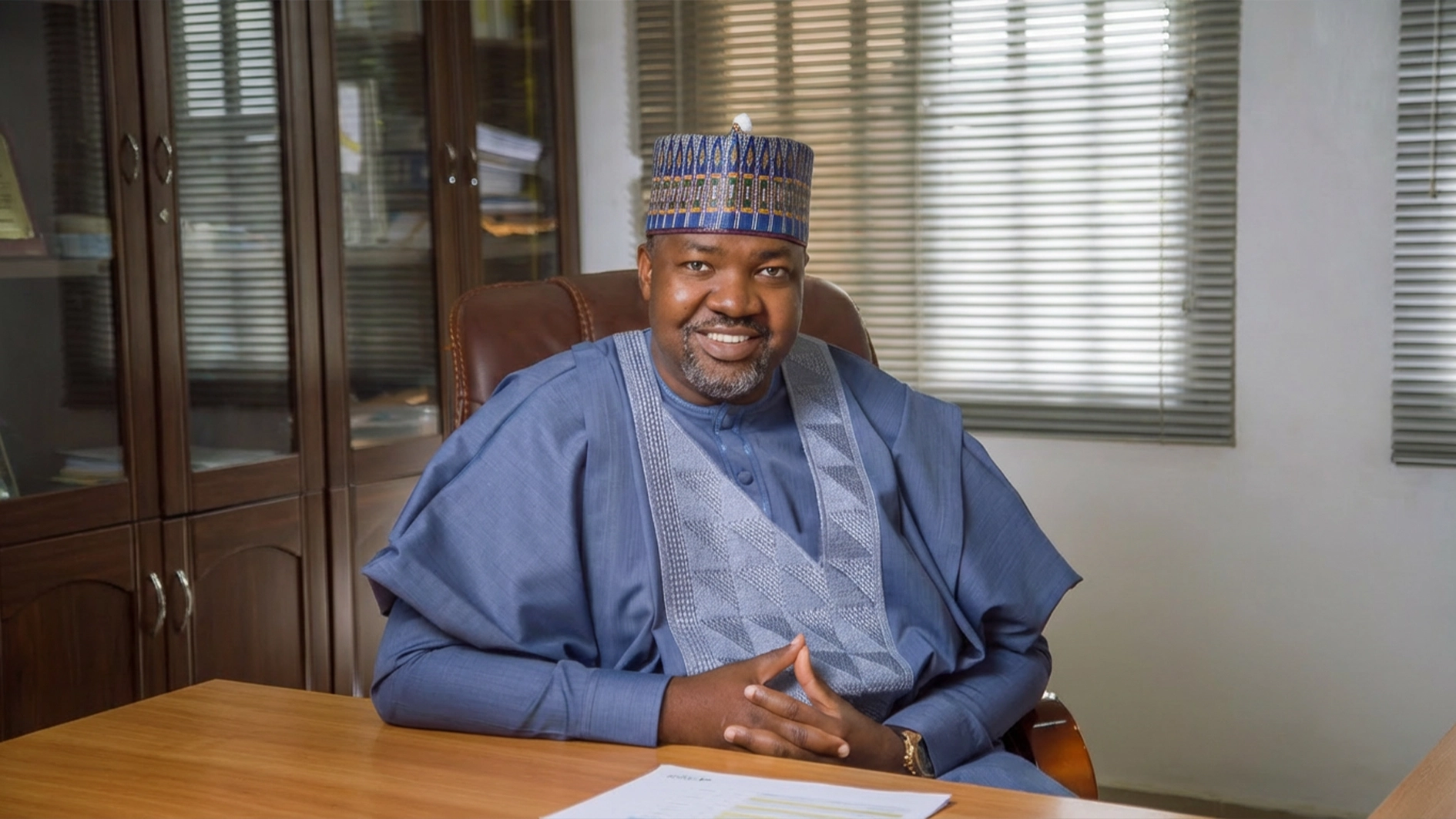
The National Biosafety Management Agency (NBMA) has reassured Nigerians that no Genetically Modified Organism (GMO) food is approved in the country without a thorough safety assessment, even if deemed safe in its country of origin.
The assurance was given by Dr. Bello Bawa Bwari, Director General/CEO of NBMA, during his keynote address at a one-day stakeholders sensitization workshop held over the weekend in Minna, Niger State.
Represented by the Director of Biosafety Enforcement, Hauwa Mohammed, Dr. Bwari acknowledged public concerns about GMO foods, noting that they are valid and shared by the agency.
“No genetically modified food is approved in Nigeria unless certified safe by NBMA and relevant agencies. Global bodies like WHO and FAO have not found any GM food to be unsafe,” he emphasized.
He added that these regulatory measures ensure that advancements in modern biotechnology do not pose risks to Nigerians or the environment while supporting innovation and national development.
Dr. Bwari explained that genetically modified foods include plants, animals, or microorganisms whose genetic material has been altered using biotechnology. This can involve adding, removing, or silencing genes, often from unrelated species, to improve performance.
He reaffirmed NBMA’s commitment to the safe development, handling, and use of biotechnology, with strong protection for human health and the environment.
Earlier, Niger State Commissioner for Agriculture, Alhaji Isah Sidi Rijau, highlighted that most farmers in the state have adopted GMO crops, although a few remain apprehensive.
“Some farmers fear GMO crops could cause cancer, but we have disabused these myths by providing seeds, including maize and sweet potato, to enhance health and nutrition,” he said. Rijau noted that GMO crops could help address food insecurity by doubling yields compared to conventional crops.
Similarly, Commissioner for Tertiary Education, Professor Mohammed Yakubu Auna, who is also a farmer, encouraged Nigerians to embrace GMO crops to combat hunger. He suggested a combination of local seeds and GMO seeds to balance cost and productivity.

Engineer Bashir Khalil Tanko, representing farmers through traditional institutions, stated that GMO crops offer higher yields, reduce production costs by 35–40%, and optimize nutrient management, while significantly lowering fertilizer use.
The workshop brought together key stakeholders to discuss biosafety regulations and strengthen awareness on the safe application of biotechnology in Nigeria, promoting innovation while safeguarding public health and the environment.

