 Follow Us on Google News


 Follow Us on Google Discover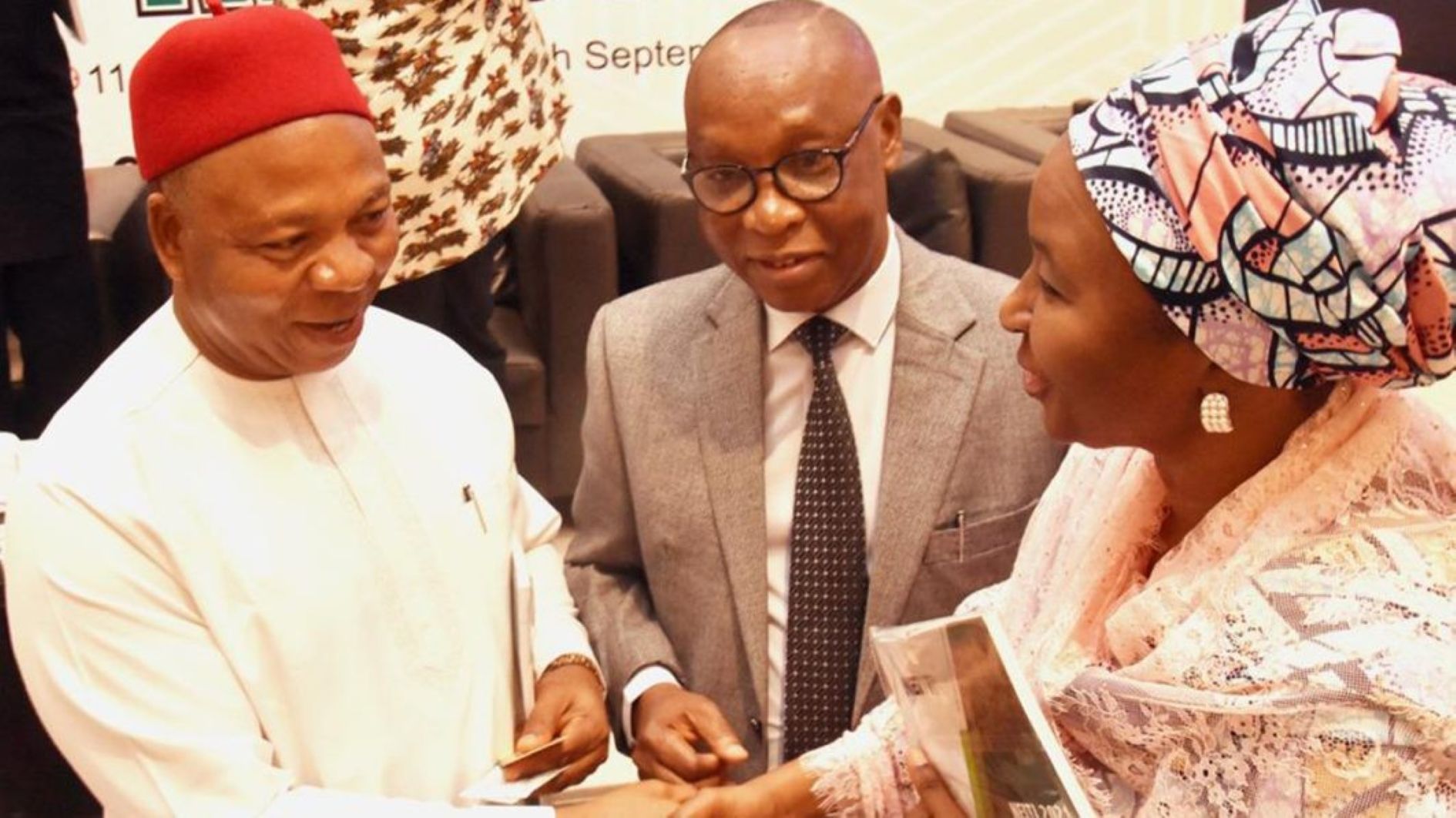
Nigeria’s extractive transparency watchdog has warned that weak coordination among key regulatory agencies, including the Nigeria Customs Service, the Ministry of Solid Minerals Development, the Mining Cadastre Office and the Nigeria Financial Intelligence Unit, is driving revenue leakages and enabling illicit financial flows (IFFs) in the country’s mining sector.
The Nigeria Extractive Industries Transparency Initiative (NEITI) disclosed this in a policy brief released in Abuja yesterday, highlighting how fragmented oversight and poor data integration across institutions have created systemic loopholes exploited by criminal networks and vested interests.
Titled “Stemming the Scourge of Illicit Financial Flows in Nigeria’s Mining Sector”, the report stated that multiple agencies regulating the sector operate in silos, collecting critical data independently with little interoperability.
This, it said, has resulted in the absence of a unified digital monitoring system capable of tracking mining activities, exports and financial flows in real time.
According to NEITI, the lack of coordination among regulators has significantly weakened oversight, making it easier for illicit actors to manipulate records, under-report production and evade taxes. The agency stressed that these institutional gaps are deeply embedded in the sector’s governance structure.
Despite Nigeria’s vast deposits of gold, lithium, limestone and gemstones, the mining sector continues to underperform. NEITI’s 2023 audit showed that the sector generated only N401 billion in revenue and contributed just 0.72 per cent to the Gross Domestic Product (GDP), far below its potential as a key driver of economic diversification.

The report linked this underperformance to persistent illicit financial flows, which manifest through smuggling, illegal mining, trade mispricing and money laundering. It added that weak regulatory capacity and opaque ownership structures further worsen the problem.
A major concern identified in the brief is the poor enforcement of beneficial ownership disclosure. NEITI noted that mining licences are often held through shell companies and complex corporate structures that conceal the true owners of assets. Verification processes across agencies remain weak and largely dependent on self-declaration, allowing politically exposed persons and foreign interests to operate undetected.
The situation is compounded by weak data governance, with many agencies still relying on manual record-keeping and unverifiable production reports.
Incomplete export documentation, particularly at border points overseen by Customs, further undermines transparency and enables illicit trade.
The report also highlighted the dominance of artisanal and small-scale mining, which accounts for more than 70 per cent of activities in the sector. A significant proportion of these operations remains informal and unregulated, particularly in the North-West, where illegal mining is widespread.
NEITI warned that minerals extracted from illegal sites are frequently mixed with legally sourced materials, making traceability difficult and creating channels for laundering illicit minerals into formal markets. This parallel system, it said, operates largely outside government control, depriving the country of revenue and weakening regulatory authority.
To address the challenges, the policy brief proposed reforms centred on improved inter-agency coordination, the integration of anti-money laundering frameworks into mining governance, and the deployment of unified digital tracking systems.

