 Follow Us on Google News


 Follow Us on Google Discover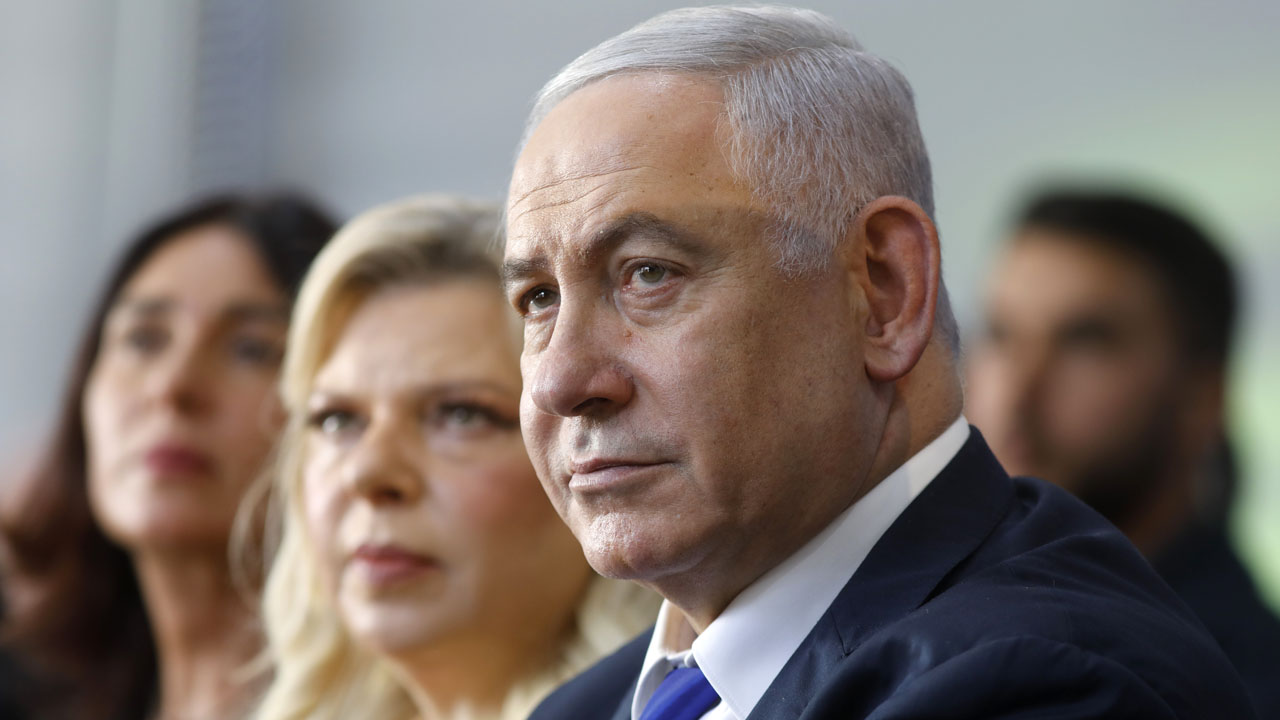
[dailymotion code=”kgYiMT38PQKgrPuW6zZ” autoplay=”yes”]
Israeli Prime Minister Benjamin Netanyahu called for more international pressure on Iran Thursday after it ended limits to its nuclear research and development in its latest response to US sanctions.
“This morning we were informed of another violation, more defiance, by Iran, this time in its striving to attain nuclear weapons,” Netanyahu said before leaving for London, where he will meet British Prime Minister Boris Johnson and US Defence Secretary Mark Esper.
“This is not the time to hold talks with Iran; this is the time to increase the pressure on Iran.”
[ad]
Iran says its nuclear programme is for peaceful purposes only.
President Hassan Rouhani’s announcement on Wednesday came shortly after the United States hit Iran with further unilateral sanctions, the latest in a series of punitive measures including a crippling embargo on Iranian oil exports.
Iran and three European countries — Britain, France and Germany — have been engaged in talks to save a landmark 2015 nuclear accord that has been unravelling since US President Donald Trump withdrew from it in May last year.

Iran is Israel’s main enemy and Netanyahu campaigned strongly against the 2015 deal, then urged Trump to withdraw from it.
Despite having opposed the deal, Netanyahu has recently called on European nations to enforce its parameters as he and the United States seek to raise the pressure on Iran.
Tensions between Israel and Iran were heightened in recent weeks.
On August 24, Israel carried out a strike in Syria it says stopped a plan by an Iranian force to carry out a drone attack on its territory.
Hours later, Tehran-backed Shiite militant group Hezbollah accused Israel of using drones to attack its Beirut stronghold. Israel did not acknowledge that attack.
Hezbollah responded on Sunday by firing anti-tank missiles at Israeli military targets across the Lebanese border, prompting Israel to fire back. There were no casualties.
[ad]

