 Follow Us on Google News
 Follow Us on Google Discover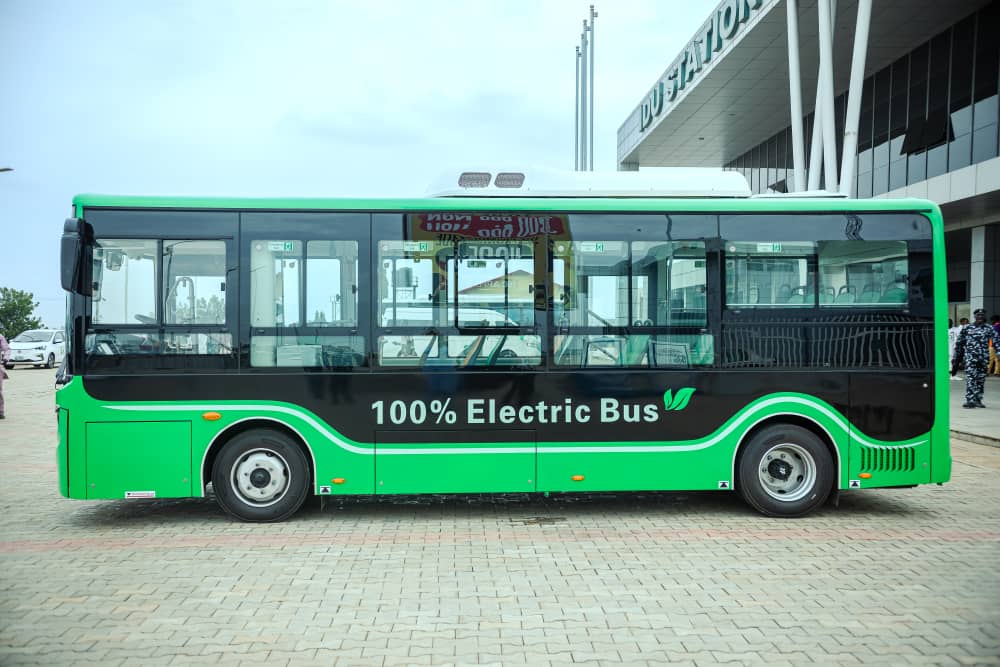
As Nigeria celebrates its 65th Independence Anniversary, NEV Electric Ltd is emerging as a notable example of how local industrialisation can address the country’s long-standing mass transit and energy challenges. The company is leveraging domestic manufacturing and sustainable energy to reduce dependence on imported vehicles and fossil fuels, offering a model for homegrown solutions to urban transport.
According to Mosope Olaosebikan, Founder of NEV Electric, the firm’s approach extends beyond vehicle assembly. “True independence means being able to design, build, and power what we need with our own hands,” she said. “We’re not just assembling buses; we’re building Nigeria’s transport future — powered by clean energy, local innovation, and sustainable systems.”
NEV Electric currently manufactures buses with 30 per cent local content, incorporating Nigerian components, materials, and labour. The company aims to increase local content to 70 per cent as domestic supply chains mature, a move intended to retain economic value locally, create jobs, and facilitate technology transfer.
To date, NEV Electric has assembled over 120 electric buses in-country and plans to scale production to 300 units in the next phase. The company is simultaneously deploying 160kW fast-charging stations across Abuja and Lagos, which Olaosebikan described as “the largest in Nigeria” and crucial to supporting fleet operations while reducing operator range anxiety.
In addition, the company has introduced a Pay-As-You-Drive financing model to make electric mobility more accessible. “Transport operators and state agencies can adopt EVs without heavy upfront capital,” Olaosebikan explained. “The plan bundles access to the bus, charging, maintenance, and battery into one predictable payment, ensuring smooth fleet transition and easier adoption.”
NEV Electric is also investing in workforce development, offering training programmes in assembly, maintenance, and conversion of electric vehicles. The initiative is designed to cultivate a new generation of green-skilled engineers and technicians, contributing to the country’s industrial and technological advancement.

Aligned with Nigeria’s broader industrialisation and clean energy objectives, NEV Electric intends to position the country as a regional hub for electric mobility. The firm is exploring opportunities to export buses and technology solutions to other African markets, signalling Nigeria’s potential role in driving the continent’s transition to sustainable transport.
“Every bus we build is a statement of what’s possible,” Olaosebikan said. “We’re proving that Nigeria can lead Africa’s clean mobility revolution — not by importing the future, but by building it.”
Through local manufacturing, infrastructure deployment, innovative financing, and skills development, NEV Electric is presenting a homegrown solution to Nigeria’s urban transport challenges, one that seeks to reduce emissions, lower operating costs, and expand domestic industrial capacity.

