 Get Guardian on Google
• Research body gives grant to 12 teams to build information systems
Twelve teams working in Nigeria and 16 other countries are to benefit from an initial $7.2 million (N5.075 billion) in direct research funds to better understand how health mis- and disinformation spreads, how to combat it, and how to build stronger information systems, while increasing COVID-19 vaccination rates.
The Social Science Research Council (SSRC), yesterday, announced it had, so far, provided $10.25 million (N7.175 billion) through the Mercury Project, enabled by The Rockefeller Foundation, Robert Wood Johnson Foundation, Craig Newmark Philanthropies and the Alfred P. Sloan Foundation.
In a statement, SSRC said it is supporting a first cohort of social and behavioral scientists from around the world to generate much-needed new research on locally tailored solutions.
[ad]
The other 16 countries are: Bolivia, Brazil, Côte D’Ivoire, Ghana, Haiti, India, Kenya, Malawi, Mexico, Rwanda, Senegal, Sierra Leone, South Africa, Tanzania, United States, and Zimbabwe.
Following the characterisation of inaccurate health information by the United States (U.S.) Surgeon General as an “urgent threat,” and by the World Health Organisation (WHO) as an “infodemic,” SSRC issued a call for proposals to counter the problem, and has received nearly 200 submissions from around the world.
President of SSRC, Anna Harvey, said: “With COVID-19 prevalent and rapidly evolving everywhere, there is a pressing need to identify interventions with the potential to increase vaccination take-up.”
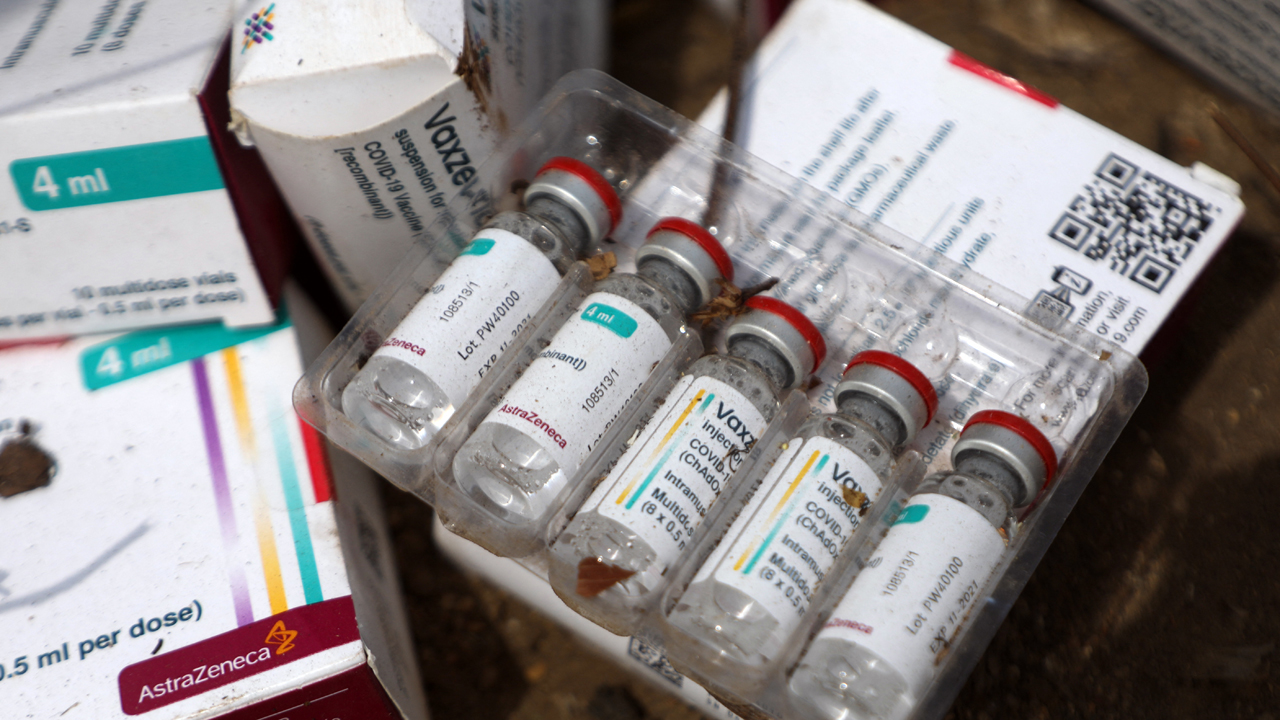
Vaccines are only effective if they become vaccinations. Vaccines are a scientific marvel but their potential is unfulfilled if they are left on the shelf.
“The large volume of high-quality proposals submitted to the Mercury Project underscores just how eager the social and behavioral science community is to evaluate interventions to increase vaccination demand and build healthier information environments.”
Researchers in the Mercury Project’s first cohort are affiliated with several research institutions and implementing partners around the world.
[ad]