 Follow Us on Google News


 Follow Us on Google Discover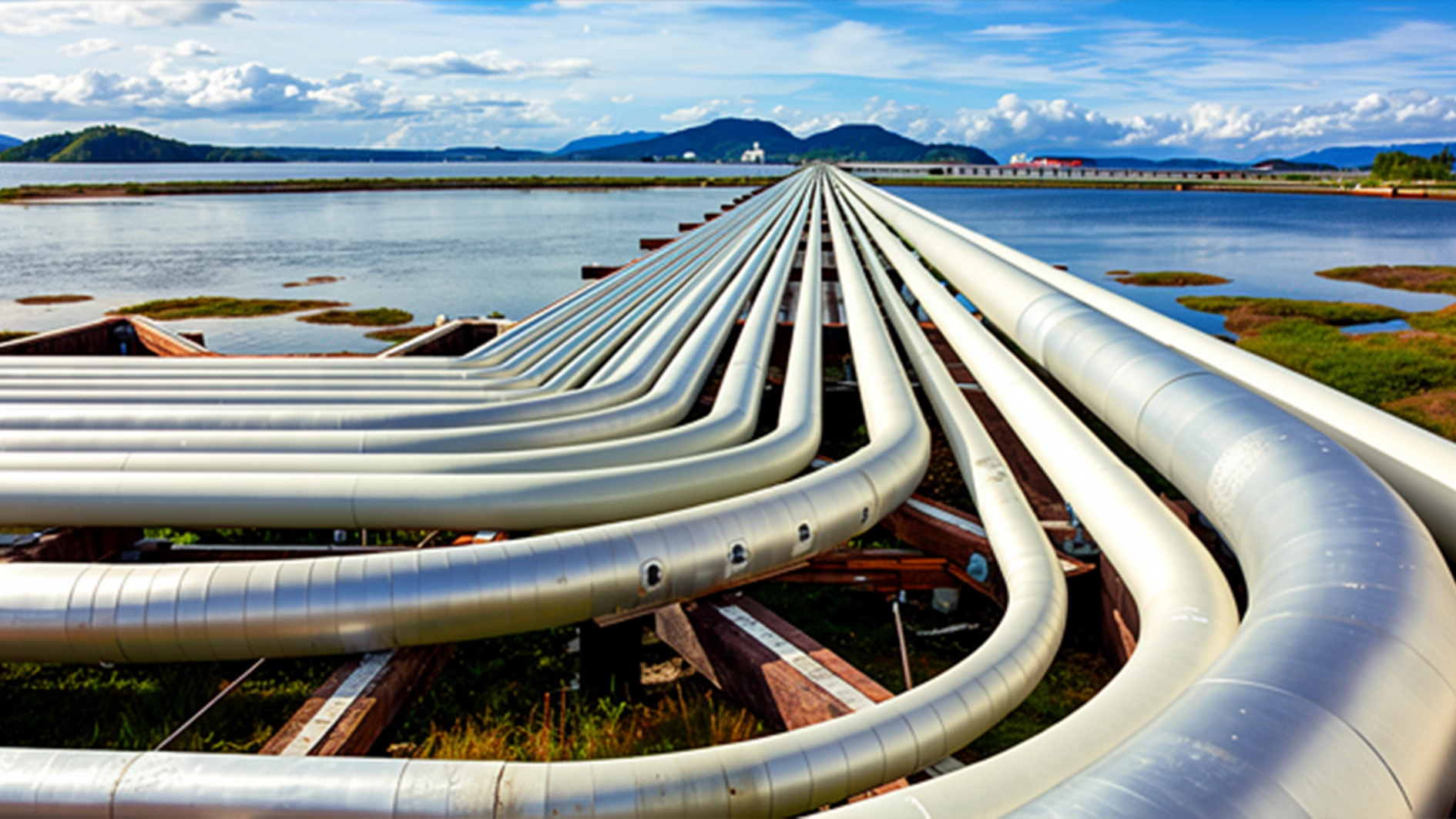
• Oil production inched to 1.463mbpd in March, says OPEC
• Prices jump 7% above $100 as U.S. Hormuz move rattles market, OPEC cuts demand outlook
Despite promises of an additional 100,000 barrels per day (bpd) of crude oil production by the Nigerian National Petroleum Company Limited (NNPCL) and a maximum of 1.8 million bpd by the Nigerian Upstream Petroleum Regulatory Commission (NUPRC), data from the Organisation of Petroleum Exporting Countries (OPEC) showed that the country’s oil output last month stood at 1.463mbpd.
This was as oil prices jumped more than seven per cent back above $100 a barrel as the United States (U.S.) moved to block ships sailing through the Strait of Hormuz to throttle Iran’s oil exports. Brent crude for June delivery was up 7.1 per cent to trade at $101.64 per barrel at 8.05 am ET on Monday, while WTI crude for May delivery soared 7.3 per cent to trade at $103.66 per barrel.
The development, which comes as indications emerged yesterday of expected progress on the $25 billion Nigeria-Morocco Gas Pipeline, has cost Nigeria at least $3.3 billion in missed revenue amid high oil prices.
In January, Nigeria produced 1.488mbpd out of the 1.84mbpd, missing out on 352,000 bpd or 10.9 million barrels for the entire month. In February, it produced 1.442mbpd, missing out 398,000 bpd or 11.1mbpd in the month. In March, it produced 1.463mbpd. It was unable to produce 377,000 bpd or 11.6mbpd in the month.
So far this year, Nigeria has failed to produce 33.6mbpd of crude, which if sold at prevailing oil price of $100 per barrel would have translated to about $3.4 billion.

Yesterday, global oil markets witnessed fresh geopolitical tensions even as oil prices surged above $100 per barrel following the U.S. move to impose a naval blockade on the Strait of Hormuz, a critical chokepoint that typically handles about 20 per cent of global oil supply.
The disruption has compounded supply shocks, with OPEC reporting a sharp 7.56mbpd drop in production in March, largely due to constrained flows through the Strait. At the same time, the cartel has trimmed its second-quarter global demand forecast by 500,000 bpd, citing the economic fallout from the Middle East conflict.
This comes as Morocco’s hydrocarbons agency confirmed that an intergovernmental agreement for the $25 billion Nigeria-Morocco Gas Pipeline would be signed this year, marking a major milestone for the decade-old project.
The 6,900-kilometre pipeline, with a planned capacity of 30 billion cubic metres yearly, is expected to link Nigeria’s gas reserves to Morocco and onward to European markets. Backed by the Economic Community of West African States (ECOWAS), the project has completed feasibility and engineering design stages, with first gas targeted for 2031.
If realised, the project could enhance regional energy security, deepen West African integration, and position Morocco as a strategic energy bridge between Africa and Europe.
Meanwhile, OPEC has lowered its world oil demand forecast for the second quarter by 500,000 barrels per day, citing the economic impact of the ongoing war in the Middle East, according to BloombergBNN.
Global oil demand is now projected to average 105.07mbpd for the second quarter, down from the 105.57 million bpd previously estimated in March.
Nigeria stands to benefit from higher crude prices, as export earnings are likely to exceed budget benchmarks. With oil prices climbing above $100 per barrel, government revenues could rise, offering some fiscal relief and supporting foreign-exchange inflows.
However, the upside may be tempered by challenges in the downstream segment, as higher global oil prices typically translate into higher costs for refined petroleum products, including petrol, diesel, and aviation fuel.
This could exert upward pressure on pump prices in the local market, especially in a deregulated environment where prices are closely tied to international benchmarks.
Downward revisions were applied to both OECD and non-OECD countries. However, OPEC has reiterated its forecast that global oil demand growth this year will clock in at 1.38 mbpd.
OPEC’s lower demand outlook comes as the group’s oil production has collapsed due to the ongoing war.

