As the world marks Menstrual Hygiene Day, alarming statistics and lived experiences are shedding light on Nigeria’s growing period poverty crisis, an issue affecting the education and wellbeing of millions of schoolgirls across the country.
With sanitary products increasingly unaffordable for low-income households, many girls are forced to stay home during their periods, often missing up to five days of school each month. In some parts of Lagos, school officials report a steady decline in class attendance among adolescent girls due to period-related challenges.
Recent data shows that sanitary pads cost the average Nigerian household nearly 11% of their monthly income. In practical terms, families often prioritise essentials like food over menstrual hygiene, leaving young girls to rely on rags, tissue paper, or other unsafe alternatives.
“This isn’t just about hygiene, it’s about access to education, confidence, and dignity,” said Peace Omodele, public health expert and founder of For Savvy Girls (FSG) Nigeria, a non-profit organisation tackling period poverty in low-income communities.
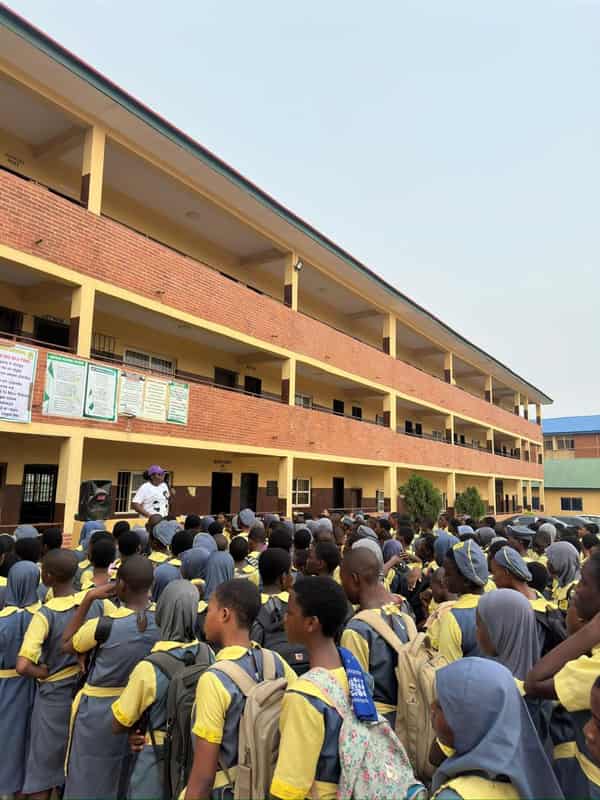
In response to the crisis, FSG has launched an initiative that places “Savvy Period Pad Boxes” filled with sanitary products and pain relief items in schools and community centres. The organisation also conducts menstrual health education sessions, which sometimes include boys to promote inclusivity and reduce stigma.
Teachers report improved attendance and engagement among girls in schools where the intervention has been introduced. But while the initiative is yielding positive results, advocates stress the need for systemic solutions.
They are calling on the Nigerian government to provide free menstrual products in public schools, integrate menstrual health into the national curriculum, improve washroom facilities, and support local pad production through public-private partnerships.
“Period poverty goes beyond health, it affects girls’ futures,” Omodele said. “We need to act now to ensure that menstruation does not continue to be a barrier to education.”