 Follow Us on Google News
 Follow Us on Google Discover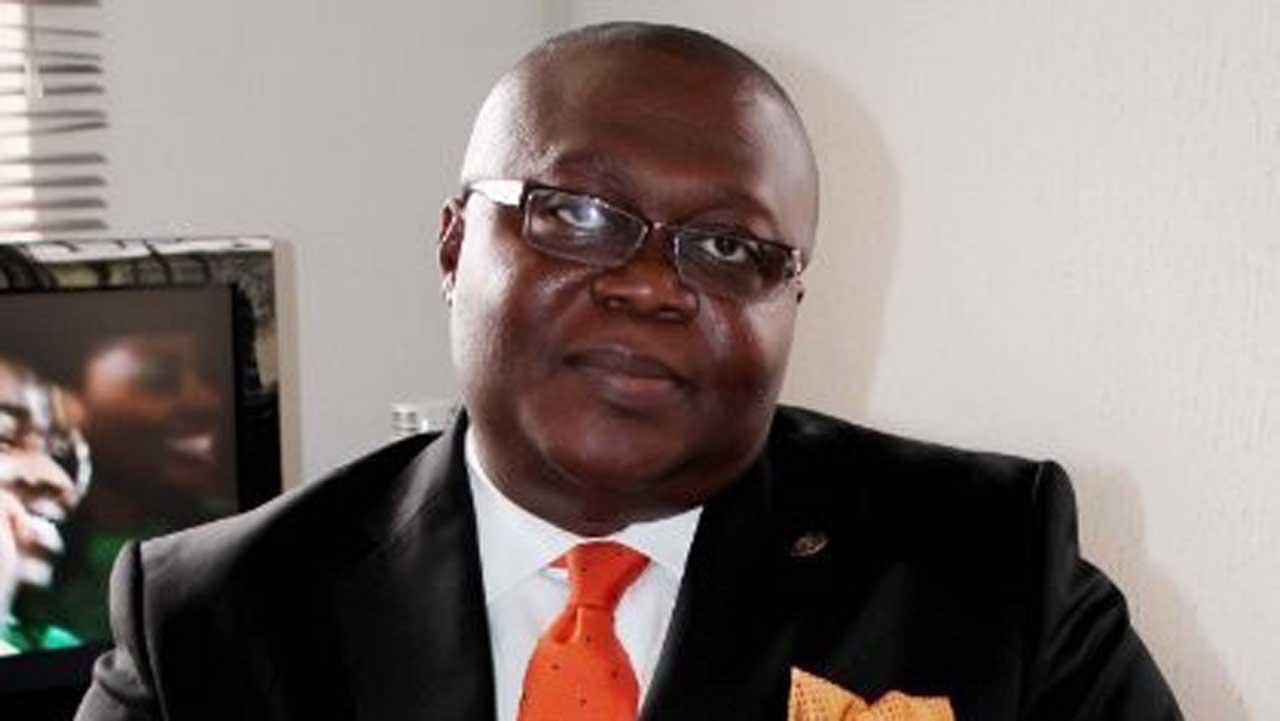
Nigeria is increasingly positioning itself as an attractive investment destination despite the lingering security concerns, according to Publisher/Editor-in-Chief of NaijaTimes, Ehi Braimah.
Braimah stated this during an interview on Sunrise Daily, where he reviewed the outcomes of President Bola Ahmed Tinubu’s recent state visit to the United Kingdom (UK), noting that the trip focused on economic partnerships and investment mobilisation.
He said that a major highlight of the visit was a high-level investment forum organised by the Central Bank of Nigeria (CBN) in collaboration with the UK’s Foreign, Commonwealth and Development Office, alongside several Nigerian banks and global financial institutions, held at The Peninsula, London, on Tuesday, March 17, 2026
According to him, the forum underscored Nigeria’s shift from economic stabilisation to capital mobilisation, with Yemi Cardoso playing a central role in presenting reforms aimed at boosting investor confidence.
“The main objective was to showcase how Nigeria is becoming an attractive investment destination. The CBN governor is putting that in the spotlight, and that sends a strong signal that the country is ready to attract more foreign capital,” Braimah said.
He said that investors’ sentiment at the forum was largely positive, dismissing concerns about potential investors’ scepticism.

“They were not sceptical at all. They were excited about moving capital into Nigeria. Discussions centred on ongoing reforms, such as exchange rate unification and the removal of fuel subsidies, as well as their impact on the broader economy,” he noted.
He further disclosed that 32 Nigerian banks had met new capital requirements set by the apex bank, with approximately 28 per cent of the capital inflows coming from foreign investors.
“If that does not signal confidence in the economy, I don’t know what will. There is clear potential for growth,” he added.
Braimah, while acknowledging improvements in macroeconomic indicators, such as foreign exchange reserves and naira stability, admitted that challenges persist at the microeconomic level, particularly in relation to the cost of living and poverty.
He also pointed to global geopolitical tensions, including developments involving Iran, the United States and Israel, as factors contributing to rising fuel prices and increased costs of goods and services worldwide.
Braimah, therefore, commended recent initiatives in the Niger Delta, urging other regions to emulate efforts to mobilise local capital and drive growth independently of federal allocations.
He, however, warned of a possible link between rising insecurity and the approaching 2027 general elections, noting a historical pattern of increased violence during election cycles.
Braimah also called for enhanced collaboration between Nigeria and international partners, including the UK, particularly in addressing security challenges.
“If we need external support, we should seek it. Security cooperation was part of the broader discussions during Tinubu’s state visit to the UK,” he added.

