 Follow Us on Google News


 Follow Us on Google Discover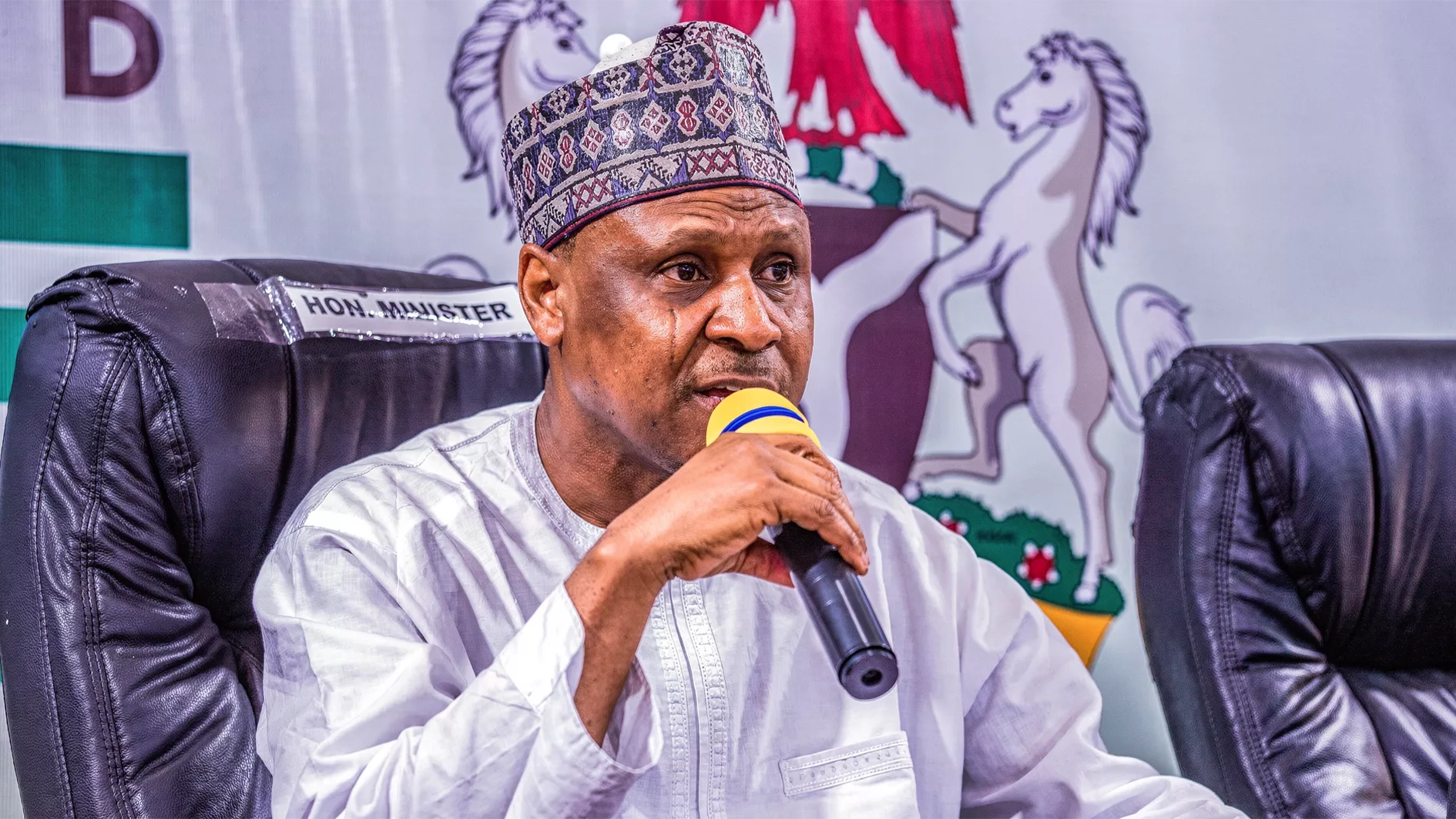
Minister of Information and National Orientation has said Nigeria will soon begin broadcasting in Mandarin from Abuja, as part of efforts to reposition the country’s global media presence and strengthen public communication.
The minister made the disclosure while receiving the Director-General and management team of the Bureau of Public Service Reforms (BPSR) in Abuja, where both sides reaffirmed their commitment to deepening reforms, improving transparency and enhancing communication across government institutions.
The visit provided the duo with an opportunity to review ongoing reform initiatives, particularly in public financial management, digitisation, media literacy, archiving, and the use of artificial intelligence in governance.
Speaking at the meeting, Idris explained that the initiative would be executed from the nation’s capital, using newly refurbished transmission facilities and in collaboration with a Chinese media company.
“In a short while, Nigeria will be able to broadcast even in Mandarin and in the Chinese language from here, from Abuja,” the minister stated.
He stressed that reforms within the public service must not only be implemented but also effectively communicated.

Idris outlined the scope of the public service, noting that, out of a population of over 230 million, about five million individuals work directly in the civil service.
He said the reforms were designed to benefit the wider population, ensuring that citizens see evidence of transformation in service delivery and that the improvements are institutionalised across the nation.
Beyond technological enhancements, the minister outlined the importance of attitudinal changes within the public service.
He recalled that President Bola Ahmed Tinubu rechristened his ministry to emphasise national orientation and values, stressing that infrastructure alone was not enough if citizens and public servants did not adopt a sense of ownership.
The minister also highlighted the increasing challenge of misinformation in the digital age. With the rise of AI-generated deepfakes, he stressed the need for media and information literacy.
To address this, he disclosed that Nigeria had secured the rights to host the Category 2 UNESCO Media and Information Literacy Centre, to be launched in Abuja in March.
The initiative, according to him, is designed to train media professionals and the general public in discerning reliable information from falsehoods.
The minister also highlighted ongoing reforms in other media outlets under his ministry, including the Nigerian Television Authority (NTA), the Federal Radio Corporation of Nigeria (FRCN), and the Voice of Nigeria (VoN).
Speaking earlier, the BPSR Director General, Dr Dasuki Ibrahim Arabi, noted the Bureau’s long-standing partnership with the Ministry of Information.
He explained that the National Strategy on Public Service Reforms has four pillars, including governance environment, national development plans, digital public service management, and citizen engagement.

