The Federal Government has reiterated its commitment to ensure Nigeria meets the December 2025 deadline for compliance with the European Union Deforestation-free Regulations (EUDR) framework on cocoa trade.
This commitment aims to safeguard the nation’s cocoa exports to EU countries and to strengthen sustainable agricultural practices.
Recalled that the National Bureau of Statistics revealed that cocoa exports in Nigeria increased by 606 per cent in the last quarter of 2024, rising from about N171 billion in the last quarter of 2023 to N1.2 trillion.
Given that 60 per cent of cocoa exports are to the EU countries, it is the country’s responsibility to fully comply with the EUDR framework, which prohibits the import of cocoa and other commodities linked to deforestation after December 2020, and this has since been extended to 2025.
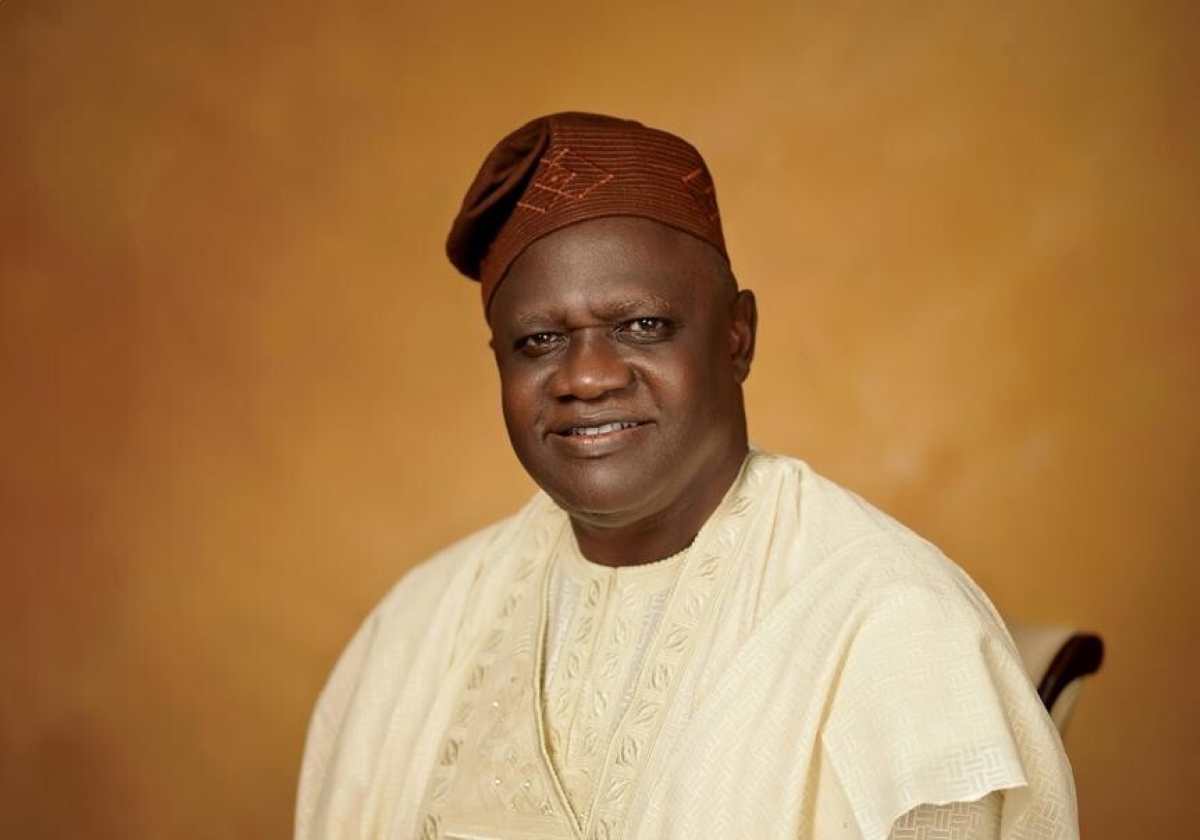
The Senior Special Assistant to the President on Agribusiness and Productivity Enhancement, Dr. Kingsley Uzoma, while speaking at the Nigeria-EU cocoa roundtable on EUDR compliance held at the Banquet Hall of the Aso Villa on Tuesday, stated that the attainment of the EUDR framework requires traceability, due diligence, and proof of deforestation-free supply chains, reinforcing environmental stewardship.
He assured that the government is committed to agricultural sustainability, value addition, and global trade standards, stating that the government is working to ensure stakeholders adhere to the framework.
Uzoma, speaking at the roundtable supported by Tulip Cocoa Processing Limited, further stressed that under President Bola Tinubu’s Renewed Hope Agenda, they are creating an enabling environment that fosters public-private partnerships, empowers communities, and promotes a greener, more prosperous Nigeria.
He emphasised that EUDR compliance offers transformative opportunities, including job creation, retaining more value within borders, shifting from raw exports to high-value products such as chocolate, beverages, and cocoa butter, revitalising ageing plantations that could yield up to 50 per cent more, reducing pressure on forests, and equipping farmers with climate-smart practices.
He noted that the advancements will also enable Nigeria to access climate finance and carbon credit schemes, potentially attracting substantial international funding for eco-friendly initiatives, while involving the youth in agribusiness as part of an inclusive growth strategy.
To fully realise this vision, the S. A. to the President said we are exploring options for effective partnerships to deploy digital compliance tools, farmer mapping systems, and traceability infrastructure that empower smallholders.
He called for the participation of private sector investors in the development of cocoa processing zones, where innovation and opportunity will combine to build sustainable, competitive supply chains.
In his remarks, the Minister of Agriculture and Food Security, Sen. Abubakar Kyari, stated that Nigeria can meet the EU’s standards, as many exporters are already compliant.
Represented by Deputy Director of Cocoa, Ajayi Olutobaba, the minister emphasised the need for a harmonised national traceability and sustainability system managed by a government agency to ensure data sovereignty and ease of verification.
Also speaking, the Minister of Industry, Trade and Investment, Dr Jumoke Oduwole, said the compliance push was both a challenge and a transformative opportunity for Africa’s fourth-largest cocoa exporter.
Compliance is not optional. It is about Nigeria first, ensuring our land is used sustainably, supporting our farmers and investors, and hitting our one trillion dollar economy target under the Renewed Hope Agenda,” she said.
The Chargé d’Affaires of the European Union Delegation to Nigeria, Zissimos Vergos, emphasised the need for Nigeria to reposition itself as a global competitor in the cocoa sector.
“The conclusion of this meeting is that the National Cocoa Board should go out there to bring a trophy to Nigeria from repositioning Nigeria as a global competitor in the cocoa sector,” he said.