 Follow Us on Google News


 Follow Us on Google Discover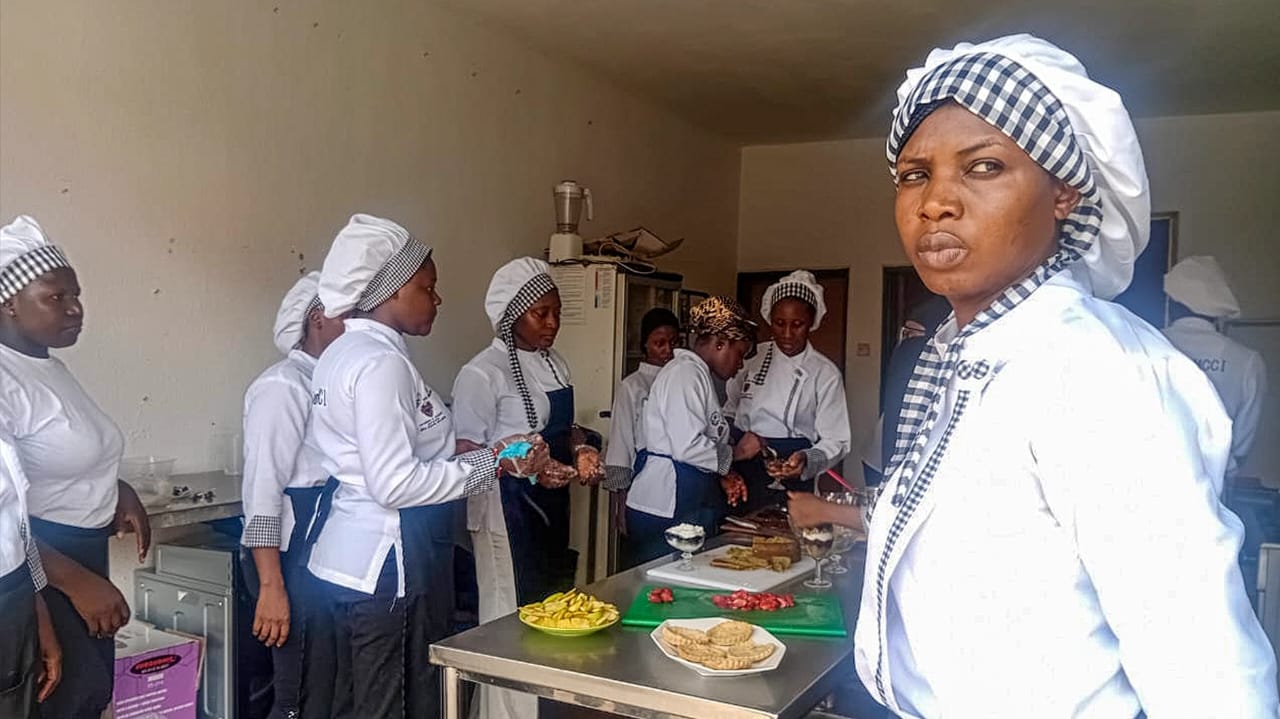
At least 100 Nigerian youths have successfully graduated from a six-month culinary and hospitality training programme implemented under the Federal Government-supported Innovation, Development and Effectiveness in the Acquisition of Skills (IDEAS) initiative.
The training, implemented by Masterminds Catering and Culinary Institute Academy, is supported by the Federal Ministry of Education in collaboration with the World Bank, aimed at tackling unemployment and bridging skills gaps in key sectors.
Speaking at the programme’s closing ceremony in Abuja, the institute’s Chief Executive Officer, Khadijat Fashina, stated that the organisation was founded about five years ago to tackle the shortage of skilled professionals in the hospitality and catering sector.
She noted that the initiative has continued to equip participants with hands-on experience in culinary arts, food safety, kitchen management, and hospitality services, positioning them to compete effectively in both local and international markets.
According to her, the programme is designed not only to impart technical skills but also to instill discipline, creativity, and entrepreneurial capacity among the trainees.
Fashina further highlighted the importance of sustained partnerships between government and development organisations in expanding opportunities for young people.

She urged the graduates to leverage the knowledge acquired to create employment for themselves and others, adding that the institute remains committed to nurturing talent and contributing to the growth of Nigeria’s hospitality industry.
Fashino explained that the programme runs for six months, comprising three months of intensive training and another three months of internship in the open market, equipping participants with hands-on experience.
“At the end of the programme, they are better positioned to either start their own businesses or become more employable,” she said.
She noted that participants were trained using the National Skills Qualification Framework (NSQF), developed by the National Board for Technical Education (NBTE), ensuring competency-based learning and certification.
Also speaking, the Special Assistant to the President on Arts, Culture, Tourism and Creative Economy, Ayomide Adeagbo, said the initiative reflected the government’s recognition of the evolving global economy where skills and talent were increasingly critical.
“The world is moving beyond traditional nine-to-five jobs. Skills and talent now matter a lot, and that is why the government is investing in programmes like this to empower young people,” he said.
Adeagbo explained that the training was part of broader efforts to equip Nigerians across various sectors with practical skills that could reduce unemployment and drive economic growth.
He added that the government had put in place measures to sustain the programme, including post-training support mechanisms.
“We are not just training people and leaving them. There are follow-up plans, including access to funding through initiatives like the Creative Economy Development Fund, which will help beneficiaries start and grow their businesses,” he stated.
On creating an enabling environment, he emphasised the role of policy reforms, noting that the Ministry of Arts, Culture and Creative Economy, had developed key frameworks such as intellectual property policies to support creatives.
“Policy and funding are the foundation for growth. We have created both to ensure that young Nigerians can thrive in the creative and skills economy,” he added.
Also speaking, Blessing Ogwu, National Project Coordinator of the IDEAS-TVET initiative, Federal Ministry of Education, commended the participants for their dedication throughout the training.
Ogwu described them as “lucky” to benefit from the initiative, designed to reduce unemployment and take young people off the streets.
The National Project Coordinator, however, advised participants not to rely solely on job-seeking after graduation but to utilise their skills to establish businesses and create employment opportunities for others.
A beneficiary of the initiative, Patience Anaja, called for the expansion and continuity of the initiative, citing its significant impact on her life and career prospects.
She described the training as a valuable addition to her education, equipping her with hands-on experience and entrepreneurial skills.

