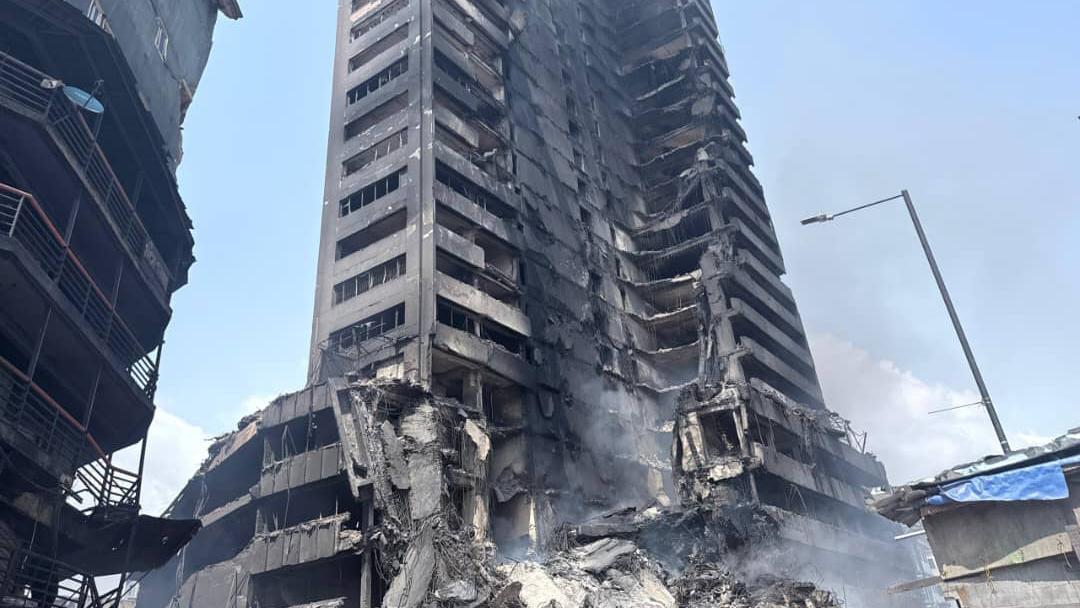
Delta State is reeling under a wave of land-related violence that has claimed about 10 lives in the last six months.
The Guardian’s investigation shows that killings linked to land disputes occurred across Aniocha North, Oshimili South, Ughelli North and others. Each incident is marked by allegations of armed invasions, cult involvement, and brazen impunity.
The bloodiest of the crises took place on May 19, 2025, in Ishiekpe Quarters, Onicha Olona, Aniocha North Local Council, where community members, Kingsley Ogwugwa and Meikowvute Anwuzia (the town crier), were allegedly murdered during a violent land clash.
In a petition submitted to the Police Service Commission (PSC) on May 21, 2025, human rights lawyer, Arthur Okafor (SAN), representing three community members—Paul Okwusindi, Odiaka Monye and Nelson Oluchukwu Ohajintu—accused Jerry Nkeweshe (aka Babies) and others of orchestrating an “unrestrained reign of terror.”
The petition described how Nkeweshe and armed thugs allegedly arrived in four Sienna vehicles, invaded the quarters, firing sporadically and targeting residents to “foist supremacy” over land ownership.
The petitioners alleged that the group had been responsible for kidnappings, attempted murder, vandalism, cultism and a pattern of intimidation in the community
In Okwe, Oshimili South Local Council, ethnic tensions flared after three Hausa men were allegedly killed by armed land grabbers.
The victims (Muhammed Multala, Kabiru Abdullahi and Yahaya), all in their early 20s, were attacked alongside others, leaving 15 people injured.
Angered by the killings, the Chairman of Abraka Hausa Quarters, Auwalu Dalhatu, demanded N3 billion compensation, accusing land grabbers of targeting Hausa residents as part of a coordinated effort to push them out of the area.
In Ughelli North and Ughelli South, a long-standing boundary dispute between Edjekota (Ogor Kingdom) and Otor-Ewu again spiralled into violence. Three persons were reportedly killed—two from Edjekota and one from Otor-Ewu—with many others injured after armed youths from both communities clashed over land ownership.
Amid mounting accusations, Nkeweshe, the Owelle of Onicha-Olona, denied involvement in any killing. Through his lawyer, Kelechi Nnadi, he described the allegations as “false, defamatory and malicious,” insisting that the police should “look elsewhere for the killers.”
Spokesperson for the Delta State Police Command, SP Bright Edafe, confirmed that land disputes had become “one of our serious security challenges,” ranking alongside kidnapping and armed robbery.
While lamenting that residents prefer armed self-help over court processes, Edafe disclosed that the violence in Okwe—where he directly accused Nkeweshe of involvement—was no mere scuffle but a criminal incident with four confirmed deaths.
“Shots were fired, and four people were killed, escalating the situation from a land dispute to a suspected murder case,” he said.
Edafe warned that land violence would persist unless Nigerians abandon greed, corruption and the culture of forcibly taking land without due process.
“You foresee an end only when we choose to become better people. But as long as some Nigerians want to forcefully claim land that does not belong to them, there is little anyone can do,” he declared.