 Follow Us on Google News
 Follow Us on Google Discover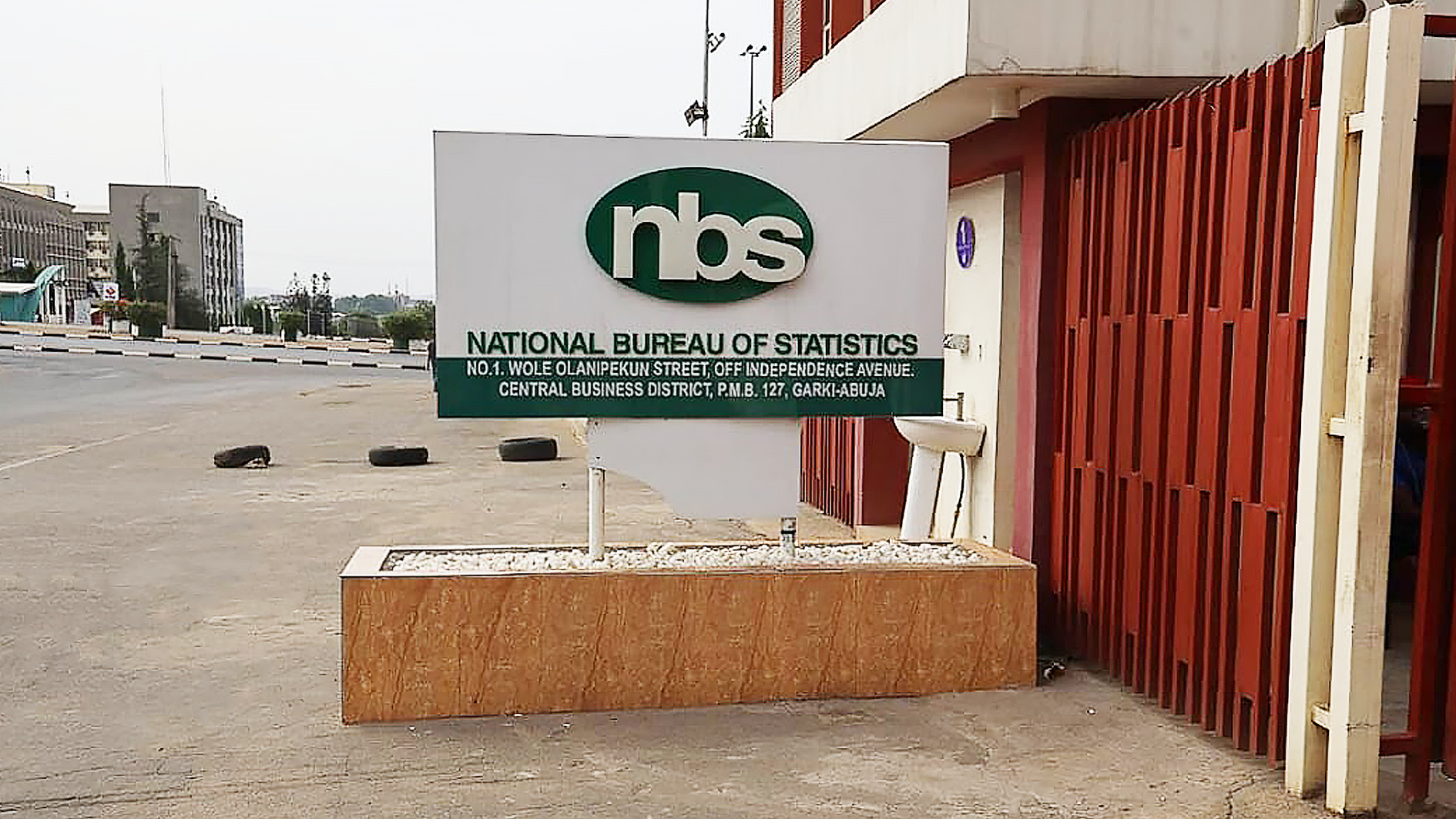
Company income tax collections fell sharply in the first quarter of 2026, highlighting the mounting pressure on businesses despite ongoing economic reforms and government efforts to boost non-oil revenue.
Data released by the National Bureau of Statistics showed that company income tax collections stood at ₦1.37 trillion in the first quarter of 2026, representing an 8.08 per cent decline from the ₦1.49 trillion recorded in the fourth quarter of 2025.
On a year-on-year basis, the decline was even steeper, with collections dropping by 31.05 per cent from the ₦1.98 trillion generated in the corresponding period of 2025.
The latest figures raise concerns about the earnings performance of companies operating in Africa’s largest economy at a time when businesses continue to grapple with high inflation, foreign exchange volatility, elevated borrowing costs and rising operational expenses.
According to the NBS data, foreign company income tax payments accounted for the bulk of collections during the quarter, contributing ₦828.82 billion or approximately 60.5 per cent of total revenue. Domestic company income tax payments amounted to ₦538.91 billion, representing about 39.3 per cent of total collections.
The figures suggest that multinational firms and foreign-linked entities continue to contribute a significant share of Nigeria’s corporate tax revenue, even as local businesses struggle with economic headwinds.

The decline comes despite repeated assurances by the Federal Government that ongoing fiscal and economic reforms would improve the operating environment and expand the country’s tax base.
Over the past year, businesses have faced the combined effects of fuel subsidy removal, exchange-rate liberalisation, higher energy costs and persistent inflation, all of which have increased production and operating expenses.
Data from the National Bureau of Statistics recently showed that inflation, although moderating compared to previous peaks, remains a major challenge for households and businesses. Many firms have reported shrinking profit margins as rising costs outpace consumer purchasing power.
The company income tax figures also contrast with the Federal Government’s ambitious revenue projections contained in the 2026 budget framework, which places significant emphasis on increasing non-oil tax revenue to fund infrastructure, social services and debt obligations.
The latest data follows a series of mixed revenue signals from Nigeria’s economy. While oil production has shown signs of gradual recovery in recent months and customs collections have improved, concerns remain about the health of the productive sector.
The financial services sector, mining industry and segments of manufacturing reportedly remained among the strongest contributors to tax collections during the period, helping to cushion what could have been a steeper decline in government receipts.
The NBS said the company income tax is one of the government’s key non-oil revenue sources, the coming quarters will be closely watched to determine whether recent economic reforms translate into stronger corporate profitability and improved tax collections or whether businesses will continue to face pressures that weigh on government revenues.

