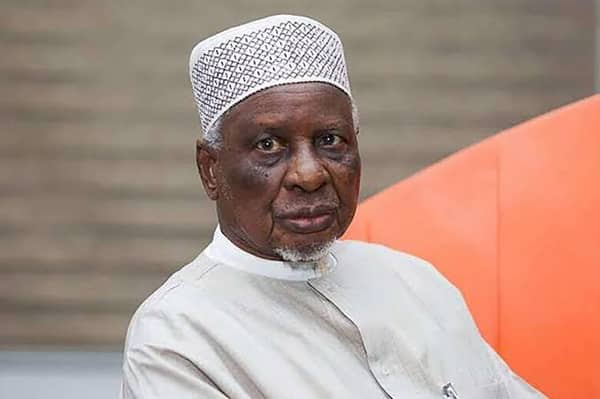
Senior political figure Salihu Tanko Yakassai has urged leaders in the North-West to take urgent steps to make the North West Development Commission (NWDC) functional.
He also warned that the region risks falling behind other parts of the country that are already leveraging their development commissions to drive large-scale projects.
Yakassai’s call followed recent moves by the South West Development Commission, which announced a memorandum of understanding with the Nigerian Railway Corporation to link the six states in the region by rail.
The proposed rail project, to be funded through statutory allocations, state government contributions and private-sector investment, is currently being prepared for presidential approval.
The development has renewed focus on the state of the NWDC, which was established earlier this year to address infrastructure deficits, security challenges and socio-economic development in the North-West.
According to Yakassai, progress at the commission has been limited due to the absence of a functional management structure.
He said that while a board has been constituted, the commission currently has only a Managing Director in place, with no Executive Directors, departmental heads or operational staff appointed to run its day-to-day activities.
“There are no Executive Directors, no departmental heads, and not even temporary support staff to run basic operations. A board has been appointed, yes, but we all know the board’s role is oversight. The real work happens within management, and that management does not exist” he said.
Funding constraints have also hindered the commission’s operations. Yakassai said the NWDC, like other recently created regional development commissions, has not received its statutory allocation from the federal government, although it has reportedly received limited support from other sources.
He questioned how the commission could begin implementing its mandate without predictable funding.
The NWDC Act assigns the commission responsibility for addressing key development challenges in the region, including infrastructure, agriculture, health, education, security and human capital development.
Yakassai said proposals covering these areas had already been drafted but remained unimplemented due to structural and financial bottlenecks.
Concerns have also been raised about internal disagreements within the commission’s leadership. Yakassai referred to reported tensions between the board chairman and the Managing Director, including disputes over administrative decisions and approval processes.
He said such issues have slowed early administrative steps, including decisions on a temporary secretariat and routine submissions required to commence operations.
Other regions have begun activating their development commissions since the passage of the relevant laws.
The South East Development Commission has initiated consultations with state governments and federal agencies, while the South South and North Central commissions have commenced preliminary planning activities.
The South West Development Commission’s rail initiative has been cited as one of the most concrete projects announced so far.
Yakassai said the North-West must take similar steps to ensure its commission does not become dormant. He called for the immediate appointment of Executive Directors and senior management staff, as provided for in the establishing Act, to enable the commission to function properly.
He also urged the federal government to release statutory allocations to the NWDC to allow it to set up a secretariat, recruit staff and begin implementing approved programmes.
In addition, he stressed the need for clear adherence to the roles defined in law, with the board providing oversight and the Managing Director handling day-to-day operations.
Yakassai said regional leaders, including governors and federal legislators from the North-West, should engage quietly to address leadership frictions and support the commission’s take-off.
He added that publishing clear action plans could help build public confidence and enable citizens to track progress.
“The North-West cannot afford to lag behind while other regions move forward,” he said.