 Follow Us on Google News


 Follow Us on Google Discover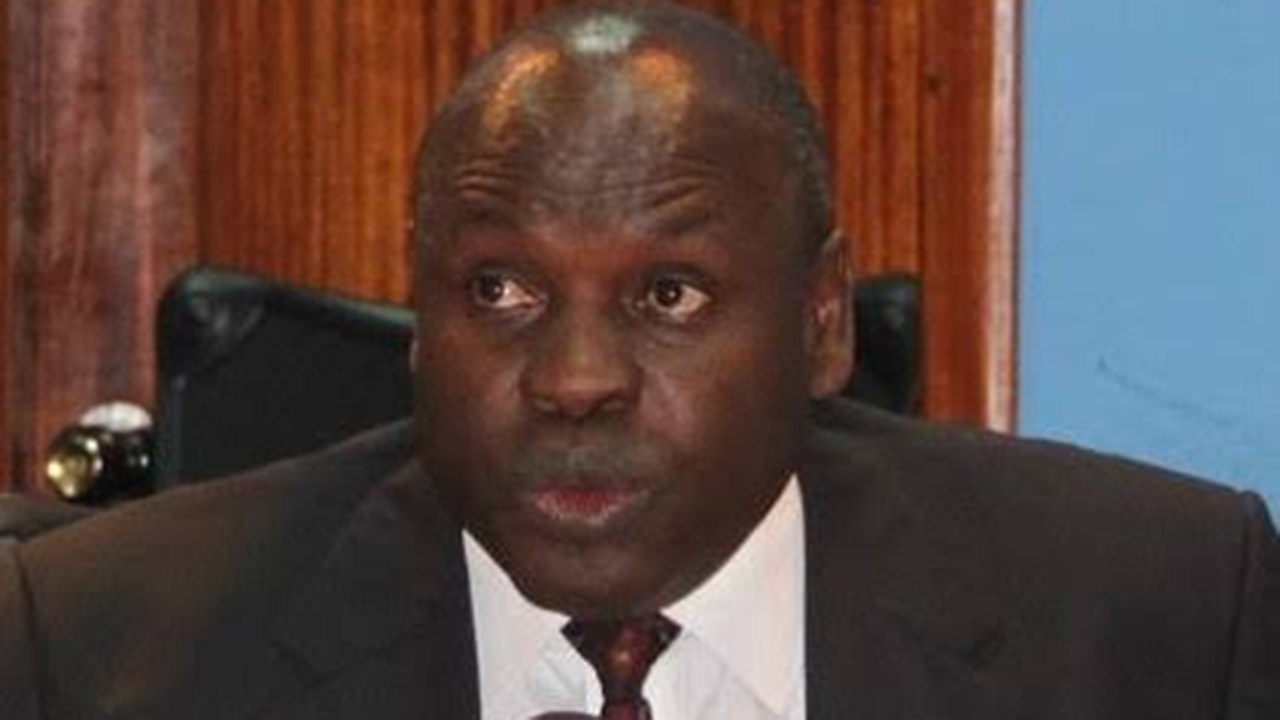

The World Bank has urged the federal government to adopt the Nigeria COVID-19 Action Recovery and Economic Stimulus (NG-CARES) social protection programme for the distribution of the fuel subsidy removal palliatives if it is desirous of reaching the real poor and vulnerable citizens.
[ad]
The NG-Cares is an initiative of the Federal Government of Nigeria and the World Bank designed to provide support for the recovery of communities, households and businesses affected by COVID-19 and other emergencies.
The Programme has been re-designed to respond to other shocks which include; flooding, fire disasters as well as impact of economic policies that can trigger social unrest and worsening of poverty among the poor.
So far, NG-CARES has disbursed over N80.6 billion to the 36 States and FCT as at March, 2023, while it has reached about three million beneficiaries as at June 2023.
The World Bank Task Team Leader for NG-CARES, Professor Foluso Okunmadewa, who made the declaration in an interview with The Guardian, said that the NG-CARES programme belonged to all the 36 states of the federation and the FCT but supported by the Federal Government and the World Bank both in terms of financial resources and technical assistance.
He said the states are using their own implementing units to deliver services and goods to the poor and vulnerable in their states.
“So the states have capacity both in terms of staff, in terms of institutions, and in terms of structure to be able to support the poor and vulnerable.”

He commended the National Economic Council (NEC) for proposing that the government should use the platform of the NG-CARES for the distribution of palliatives to mitigate the effects of fuel subsidy removal, noting that it shows the council recognized the good works the NG-CARES is doing.
[ad]
He said, “The way they are currently structured, NG-CARES is shock responsive so that whenever anything happens whether it is flood or outbreak of disease or economic crisis like now that there is an increase in cost of living, they have the capacity to respond.
“They have social protection structures, they can transfer cash because they have a very solid registry managed by the state planning ministries and they have a database of the poor.
“They also have a good mechanism, one of the best in the world for identifying the poor and vulnerable which they have been using since 2015 and up to date every state has been able to use it for several programmes that international partners are even supporting in all the 36 states and the FCT.”
He added that the states have human capacity, with staff that are trained in different areas including agriculture to support farmers and they also have mechanisms for Micro and Small Enterprises (MSMEs).
“The only thing that is lacking is resources in the hands of these states to cover more ground and this is where the World Bank and other development partners come in”, he said.
[ad]
Also speaking, the National Coordinator of NG-CARES, Dr. Abdulkarim Obaje, said the structures that are being used to implement the NG-CARES programmes are owned by state governments and they have the paraphernalia in terms of institutions, staff and funding to a large extent.
According to him, “The NG-CARES formation was brought about by the governor’s themselves, they requested it. So the state and the local governments are best positioned to handle any assistance meant for the poor and vulnerable. The structure the states have that they are using to implement the NG-CARES can help them to distribute any palliatives.”
He added that the operational cost of implementing the Palliatives at the federal, States and FCT level can be handled by the NG-CARES not the State/FCT and called on states and FCT to commence Rapid Response Register to admit new poor and vulnerable people into the social register for the palliative.
Obaje also said that the Consolidated Revenue Fund (CRF) Account of the State Government which is managed by the States is critical and should remain the funding hub for management of fuel subsidy removal palliatives. “It gives control to the state and FCT. This is how NG-CARES has been managed”, he said.
[ad]

