 Follow Us on Google News
 Follow Us on Google Discover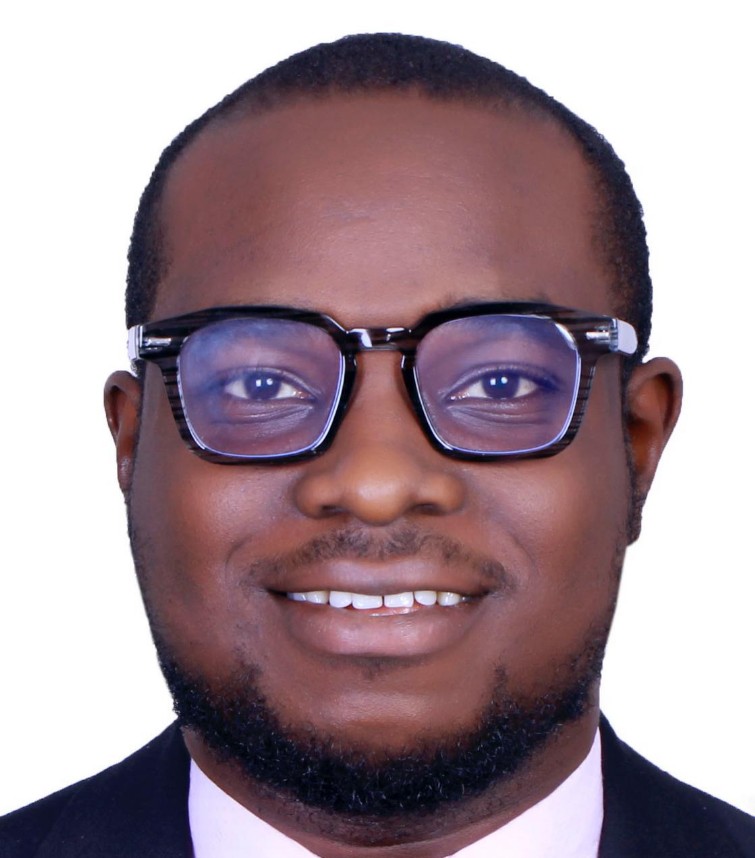
Nigeria’s counterfeit medicine crisis is fast becoming a national emergency, experts warn, as fake and substandard drugs continue to flood markets unchecked, threatening lives, the economy, and the country’s credibility in global health.
Pharmaceutical strategist and health innovation advocate, Paul-Miki Raluchukwu Ibekwe—who has worked with international organisations including Novo Nordisk, Waters Corporation, and UMass Amherst—sounded the alarm, insisting that the problem has evolved far beyond petty crime.
“This is no longer just a minor criminal issue—it’s a national emergency,” Ibekwe declared. “Unregulated drugs are circulating throughout the country more freely than law-abiding citizens, leading to unnecessary illnesses, deaths, and long-term resistance to genuine medications.”
From fake antibiotics and herbal mixtures to unverified weight-loss teas and sexual enhancers, counterfeit medicines cut across all social classes, fuelled by poverty, weak institutions, and political neglect. A 2024 report by the Nigerian Association of Pharmacists in Academia (NAPA) revealed that over 32% of drugs in Nigerian markets fail quality and safety tests, often expired, relabelled, or deliberately adulterated.
“It’s like someone is trying to poison people, because the system is bad and no one cares enough to fix it,” Ibekwe added.
Omolara Esho, founder of GovWatch Africa, argued that fragmented governance is worsening the crisis. “We act like fixing the rules is just about the police showing up sometimes or politicians making announcements,” she said. “But without good information, funding, enforcement, and public education, reforms are just for show. If the health people and the customs people don’t share information right away, how can you stop bad drugs from coming in through the borders that no one is watching?”
Experts note that the problem is compounded by the influx of counterfeit drugs from Asia, Eastern Europe, and the Middle East through porous borders. Beyond health, Ibekwe stressed the economic consequences: “No investor will put their money into a country where fake antibiotics are more available than validated products. It erodes trust—locally and internationally.”
Dr. Kenneth Umeh, a pharmaceutical policy lecturer at the University of Lagos, described the situation as ironic: “Nigeria is positioning itself as a biotechnology hub, while its domestic markets teem with unregulated drugs. You cannot ask the world to respect your innovation capacity while your own citizens receive substandard medicines daily. The entire industry credibility is destroyed.”
To address what he calls “a lethal flow of unchecked pharmaceutical products,” Ibekwe outlined a four-step national framework:
- Boost Funding and Independence for NAFDAC – Equip the agency with operational independence, modern labs, and trained staff.
- Implement Digital Traceability Systems – Deploy blockchain, barcoding, and supply-chain mapping to track medicines like mobile money.
- Public-Private Partnerships for Health Security – Harness tech firms, research institutions, and regulators for predictive analytics.
- Enhance Inter-Ministerial Coordination – Ensure health, trade, justice, and customs ministries act jointly to close loopholes.
While some warn that stricter regulation could harm small-scale producers, Ibekwe is unequivocal: “You can’t sacrifice public safety for the sake of economic inclusion. Regulation isn’t oppression—it’s protection. Any system that can’t ensure safe medication for its citizens has already failed its most fundamental duty.”
Esho reinforced that affordability and mistrust fuel the illegal trade: “People will naturally avoid dangerous shortcuts if the government commits to transparency and accessibility in healthcare.”
Ultimately, experts agree that the crisis undermines Nigeria’s ambitions for pharmaceutical-led industrialisation, universal healthcare, and medical tourism. “A nation that cannot guarantee the safety of its medicines is already placing its citizens in daily danger,” Ibekwe warned. “The trade in counterfeit drugs is no longer hidden. It’s deadly, visible, and spreading. Instead of short-term campaigns, we require long-term, strategic action.”

