 Follow Us on Google News


 Follow Us on Google Discover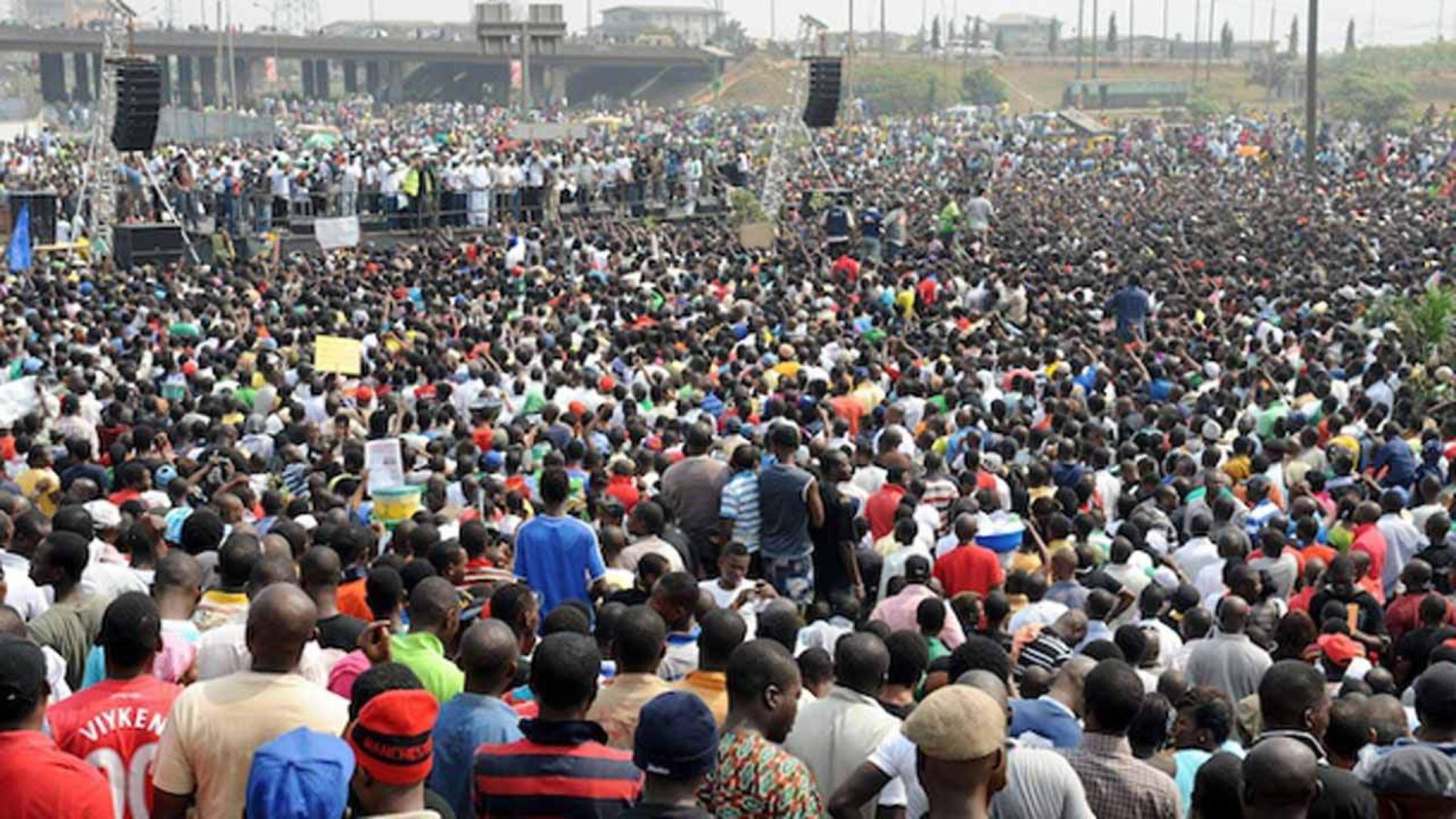
Nigeria is facing a worsening urban sanitation crisis as rapid population growth, accelerating urbanisation and decades of underinvestment continue to overwhelm existing infrastructure, the African Development Bank (AfDB) has said.
The warning came yesterday in Abuja at the launch of Nigeria’s Urban Sanitation Diagnostic Report under the African Urban Sanitation Investment Initiative (AUSII), where stakeholders disclosed that only about 20 per cent of Nigerians currently have access to safely managed sanitation services despite the country’s rapidly expanding population.
They warned that unless urgent investments are made, Nigeria’s population, projected to exceed 400 million by 2050 and approach 500 million before the end of the century, could place unprecedented pressure on cities, threatening public health, environmental sustainability and economic development.
Speaking at the event, AfDB’s Division Manager for Water and Sanitation, Mrs Jeanne-Astrid Ngako, described Nigeria’s demographic expansion as one of Africa’s biggest urban development challenges.
She said the critical question was no longer whether urbanisation would continue, but whether millions of Nigerians would have access to safe sanitation services that support healthy, productive and resilient cities.
“The decisions we make today will determine whether our cities provide dignity, opportunity and prosperity for future generations,” she said.

Ngako stressed that urban sanitation should be treated as a national development priority rather than merely a sectoral concern, calling for stronger collaboration among the federal and state governments, development partners, civil society organisations and the private sector.
While acknowledging progress recorded by the Federal Ministry of Water Resources and Sanitation, she said the diagnostic report revealed significant gaps, particularly in on-site sanitation systems serving rapidly growing urban populations.
According to her, conventional sewer networks alone cannot address Nigeria’s sanitation deficit because they require huge capital investments and lengthy implementation periods.
She advocated for wider adoption of affordable, flexible on-site sanitation systems that can reach underserved urban and peri-urban communities more quickly.
Providing an overview of Nigeria’s urban sanitation status, the Director of Water Quality Control and Sanitation at the Federal Ministry of Water Resources and Sanitation, Jamilu Dan Habu, painted a sobering picture of the country’s sanitation landscape.
He revealed that although about 60 per cent of Nigerians have access to basic sanitation services, only 20 per cent enjoy safely managed sanitation.
He said hygiene service coverage stands at approximately 25 per cent, while sanitation facilities are available in only 44 per cent of schools, 15 per cent of healthcare facilities and about 20 per cent of public places.
Habu said rapid urbanisation continues to outpace available sanitation infrastructure, widening service gaps across cities.
He explained that most urban households depend on on-site sanitation systems because sewerage networks remain extremely limited nationwide.
He said the Federal Government has introduced reforms, including the National Action Plan for the Revitalisation of Nigeria’s Water Supply, Sanitation and Hygiene (WASH) Sector, while the National Policy on Water Supply and Sanitation is being reviewed to strengthen governance and accelerate implementation of city-wide inclusive sanitation.

