 Follow Us on Google News


 Follow Us on Google Discover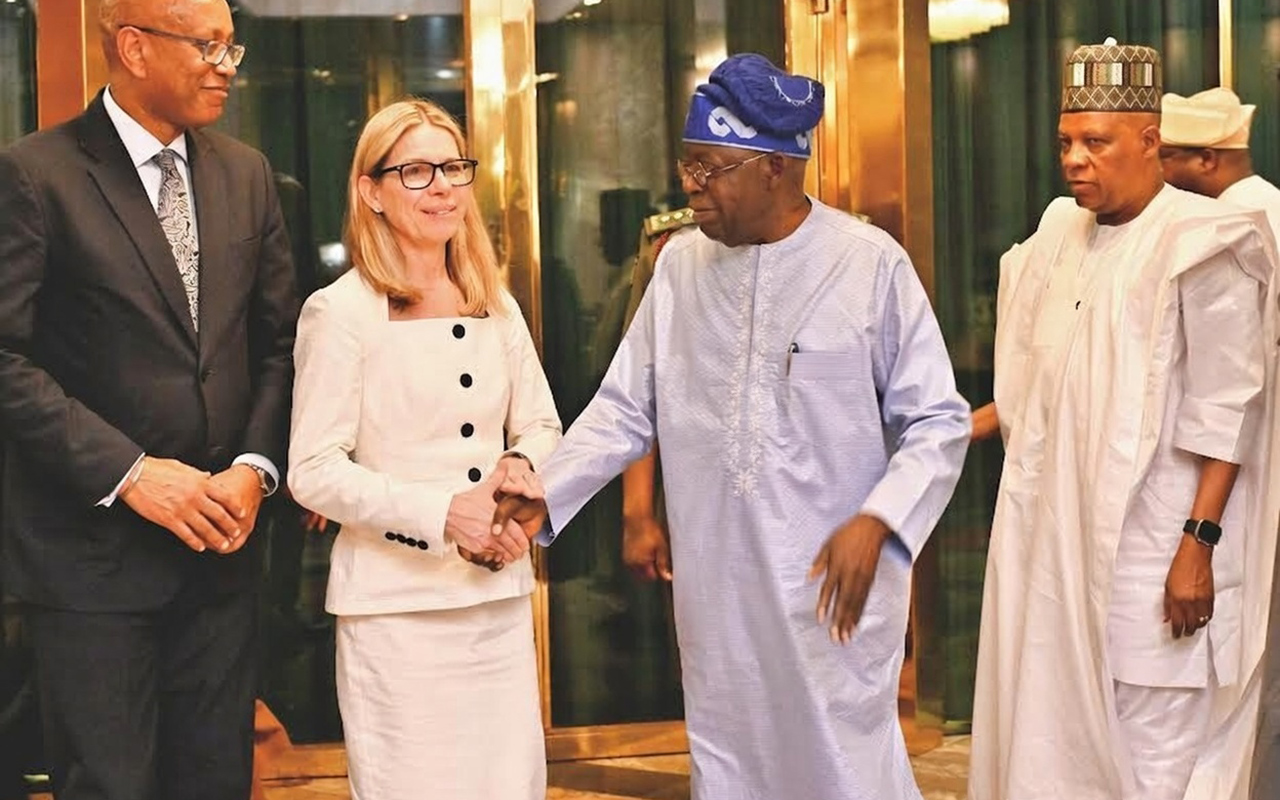
FG says $1tr economy target depends on sustainable roads
President Bola Tinubu has assured a World Bank delegation led by Managing Director of Operations, Anna Bjerde, that Nigeria’s bold economic reforms are irreversible, framing them as essential for harnessing the nation’s vast potential amid its youthful population and arable lands.
Meanwhile, the Federal Government said its ambition of building a $1 trillion economy depends largely on the sustainability, safety and reliability of the country’s road network, warning that failed and poorly maintained highways pose a direct threat to economic productivity and national growth.
Speaking at the State House after a briefing by the Minister of Finance and Coordinating Minister of the Economy, Wale Edun, and Vice President Kashim Shettima, the President expressed delight at the reunion.
“It’s just a joy for me to come back and meet with you again,” he said, and doubled down on the reform trajectory: “Since we have gone into this tunnel of reform, we have our hands on the power, and we’re never going to look back.”
Tinubu acknowledged the initial hardships but drew a stark lesson in resilience. “It is very clear that initially it was painful, difficult, but those who win are not the ones who give up on their way in difficult times,” he declared, positioning Nigeria as “the heart of the continent” that must act decisively.
According to him, agriculture is the key focus, highlighting mechanisation drives already underway.

Speaking at the opening of the 2026 FERMA Roads Summit in Abuja, Secretary to the Government of the Federation (SGF), Senator George Akume, who represented President Tinubu, said road infrastructure was central to trade, mobility and national integration.

