 Follow Us on Google News
 Follow Us on Google Discover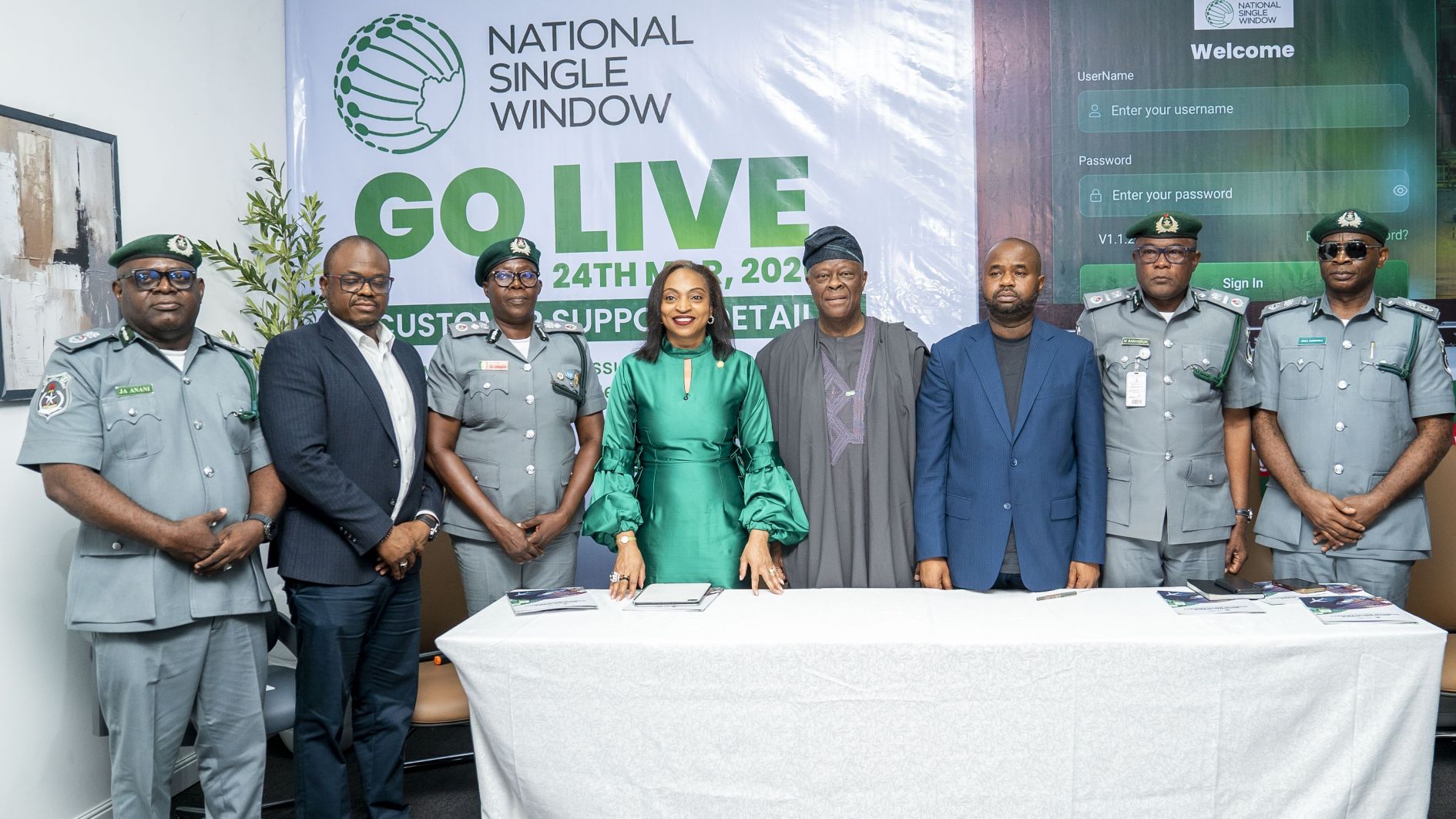
Electronic submission and transmission of cargo manifest data to the National Single Window (NSW) platform at DHL office in Lagos airport and Apapa NSW office encountered minor setbacks at the initial uploading stage as the platform went live yesterday.
During the live transmission of cargo manifest data to the NSW platform at DHL, The Guardian reporter observed 11 failed attempts before others were successfully uploaded due to system glitches linked to a recent password update.
The Senior Gateway Manager of DHL, Davids Malachi, clarified that the issue, which caused temporary delays in transmitting manifests, was being addressed by the technical team.
“It’s an update of the password which happened last night, so it’s causing the glitches and delays in transmitting the manifest into the NSW,” he explained.
Despite the initial hiccups, the system successfully processed submissions during the session.
According to Malachi, the next stage involves the generation of a rotation number, which he said is an essential step that enables further cargo processing and assessment.
The officials present at the session including the NSW, Nigeria Customs Service and Federal Airport Authority of Nigeria (FAAN) were informed that the first consignment had already secured its rotation number, allowing the process to advance to subsequent stages.
Meanwhile, the technical team continued uploading additional manifest entries in real time which were successful.
The Director of the NSW Project, Tola Fakolade, said the live demonstration at DHL formed part of broader efforts to showcase how stakeholders, including logistics operators and regulatory agencies, can leverage the platform to streamline cargo clearance, reduce delays, and enhance transparency in Nigeria’s trade ecosystem.
Fakolade acknowledged that while minor technical issues were encountered during the rollout, rapid response from joint technical teams ensured swift resolution, underscoring the strength of inter-agency collaboration.
“In the beginning, we could have some issues here and there, but what is important is that the technical teams are there to resolve them. We saw clear evidence of collaboration among stakeholders, and that collaboration is what has brought us to this point,” he stated.
He also commended DHL for taking a leading role as one of the first private sector operators to adopt the system, describing the move as a “bold step” that signals confidence in the platform.
Speaking about the technical glitches encountered, the Deputy Comptroller General of the Nigeria Customs Service (NCS) in charge of Information Communication Technology (ICT) and Modernisation, Oluyomi Adebakin, said the system update temporarily disrupted transmission processes but was promptly addressed by the technical teams after they were able to identify the cause and fix it immediately, saw the transmission go through.
She acknowledged that minor glitches are expected in a project of such scale but emphasised the importance of responsiveness and proactive measures in managing them.
Adebakin assured stakeholders that all relevant teams, including the Customs Single Window unit, the National Single Window technical team, and the Trade Modernisation Project staff are on ground and working collaboratively to ensure seamless operations.
She emphasised that the success of both the National Single Window and the B’Odogwu system would ultimately translate into economic gains for the country and improved efficiency for traders.
Beyond domestic benefits, Adebakin said the NSW Project would position Nigeria to fully leverage the opportunities under the African Continental Free Trade Area (AfCFTA) and enable it to compete effectively across the continent.
The Director of Cargo Development and Services, Federal Airports Authority of Nigeria (FAAN), Lekan Thomas, said the NSW roll-out at the airport will enhance cargo efficiency, strengthen security and improve data-driven planning across the aviation and trade sectors.

Thomas noted that the platform would help in addressing longstanding inefficiencies in cargo handling, improve security and deliver critical gains in trade facilitation, regulatory compliance and operational efficiency.
He highlighted the reduction of cargo dwell time as a major expected benefit, stressing that faster cargo movement through terminals would enhance the competitiveness of Nigeria’s logistics and aviation sectors.
Thomas further emphasised that one of the most impactful aspects of the platform is its ability to harmonise data across agencies, pointing out that inconsistencies in cargo and revenue data among different government agencies have long posed challenges to effective planning and coordination.
He added that the availability of accurate and unified data would enable government agencies and private sector players to make more informed decisions, ultimately boosting national revenue and economic performance.
The Managing Director of DHL, Muyiwa Adejeyoju, said the logistics firm is proud to be part of the accreditation process and the rollout of the digital trade system, stressing that the initiative aligns with DHL’s global mission of connecting people and improving lives.
Adejeyoju emphasised that DHL is committed to supporting government efforts aimed at modernising trade processes and enhancing economic growth, adding that the company intends to maintain a high level of regulatory compliance in its operations.
He further appreciated the opportunity to participate in the initiative’s rollout, reaffirming the company’s readiness to play an active role in ensuring its success.

