 Follow Us on Google News
 Follow Us on Google Discover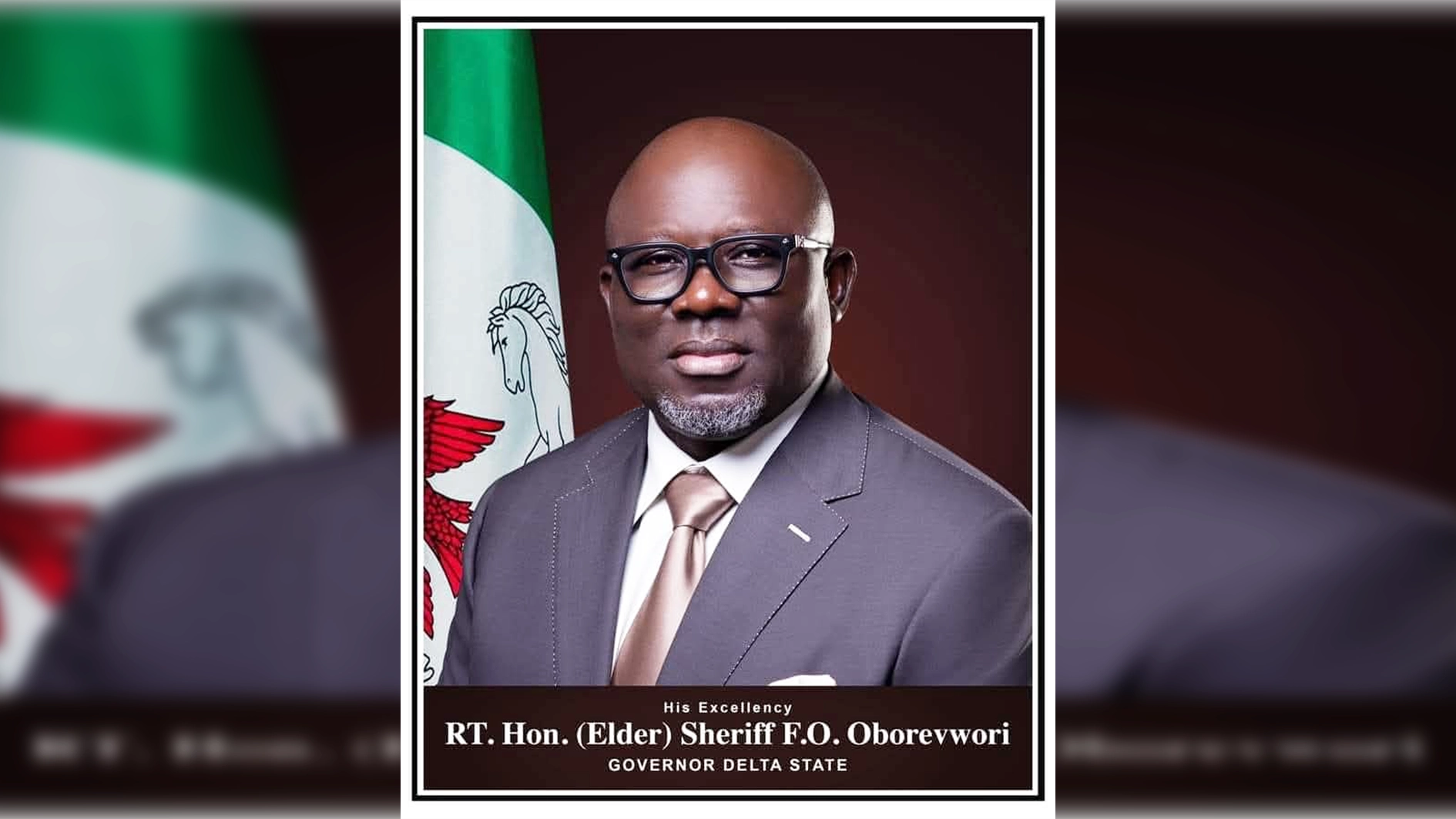
Delta State Governor, Sheriff Oborevwori, has called for the institutionalisation of inclusive governance across Nigeria as a pathway to national unity.
Oborevwori made the call on Wednesday while delivering Yoruba Tennis Club 100th anniversary annual lecture in Lagos, where he spoke on the theme, “Inclusive Governance and National Unity: Lessons from Delta State for a More United Nigeria.”
The governor said ethnic mistrust, religious divisions and resource-based conflicts had continued to strain Nigeria’s unity, but noted that deliberate and equitable governance at the sub-national level could help bridge longstanding divides.
According to him, inclusive governance goes beyond sharing political appointments and entails ensuring fair representation, broad participation and equal access to opportunities for all segments of society.
Oborevwori also proposed a periodic national conference involving government officials, traditional rulers, private sector leaders, civil society groups, youths, women and marginalised communities to review national priorities and strengthen inclusive governance.
He suggested that such the conference should hold every 10 years, with clear thematic priorities, legislative backing and an independent secretariat to monitor implementation of resolutions.

The governor urged Nigerians to rise above ethnic, religious and cultural biases and embrace shared values capable of strengthening national unity.
He said: “A unified Nigeria must be nurtured organically from the states and local governments. When each of the 36 states and 774 local government areas cultivates economic inclusivity and social cohesion, the divisive forces that destroy national cohesion will be substantially mitigated.
“Consequently, citizens who perceive the equitable impact of federal governance in their respective local government areas and states are more inclined to embrace their Nigerian identity.
“Rather than centralising authority among elites or dominant groups, inclusive governance seeks to distribute power, resources and opportunities equitably, ensuring that all citizens are consulted and acknowledged.”
Drawing from Delta State’s experience, Oborevwori said his administration had pursued inclusivity through geographic and ethnic balance, political tolerance and socio-economic interventions.
He noted the state’s MORE Agenda — Meaningful Development, Opportunities for All, Realistic Reforms and Enhanced Peace and Security — as the policy framework guiding his administration since assuming office in May 2023.
On infrastructure, the governor cited projects such as the Effurun-Warri flyovers, Ughelli-Asaba Road dualisation and the Trans-Warri-Ode-Itsekiri roads and bridges as examples of developments designed to connect communities and stimulate shared prosperity.
He also said Delta State had expanded healthcare access through its insurance scheme with over 2.7 million enrollees, while investing in MRI machines, dialysis units, CT scanners and ultrasound equipment across the three senatorial districts.
In the education sector, Oborevwori said the state had sustained balanced development through universities, colleges of education, polytechnics and technical colleges spread across its districts.
The governor further disclosed that more than 300,000 residents had benefited from youth empowerment and entrepreneurship programmes, including D-CARES, MORE Grant Scheme, MORE Biz-Up and ICT-focused initiatives.
He said widows, women, persons living with disabilities and non-indigenes had also been included in welfare and empowerment programmes, stressing that prosperity in Delta State was not tied to ethnic origin.
Oborevwori said peace and security remained central to development, adding that the state had embraced dialogue involving traditional rulers, community leaders, youths and security agencies through peace-building structures.
Speaking on national leadership, the governor commended President Bola Tinubu for what he described as bold economic reforms, particularly the removal of fuel subsidy and the liberalisation of the foreign exchange market.
He said although the measures initially created hardship, they had placed Nigeria on the path of recovery, growth and stability.
According to him, improved revenues to states and local governments following federal reforms had enabled sub-national governments to undertake more developmental projects.
He commended the Yoruba Tennis Club, founded in 1926, for sustaining a tradition of intellectual engagement and national discourse through its annual lecture series.

