The Igbo apex socio-cultural organisation, Ohanaeze Ndigbo Worldwide, has announced far-reaching plans to strengthen Igbo cultural preservation, institutional sustainability and economic self-reliance, including the establishment of professorial chairs in Igbo studies and new development vehicles.
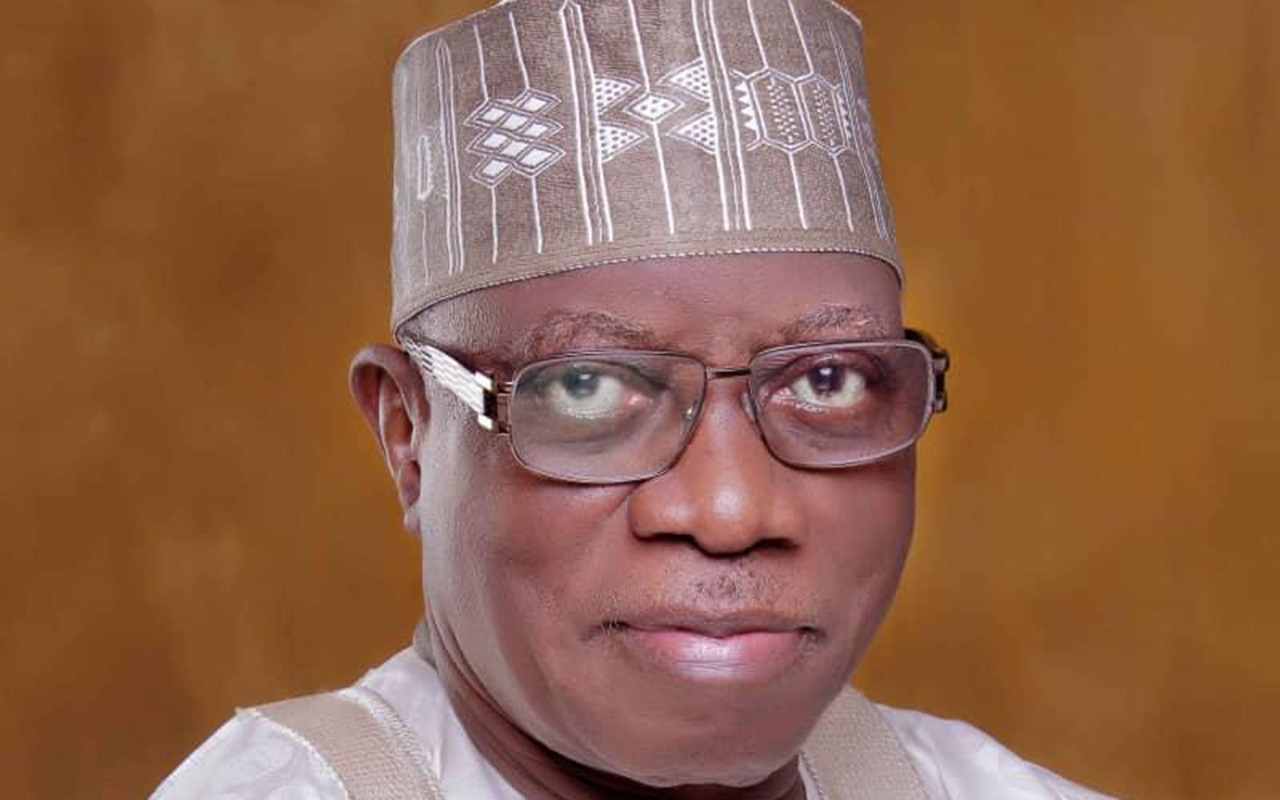
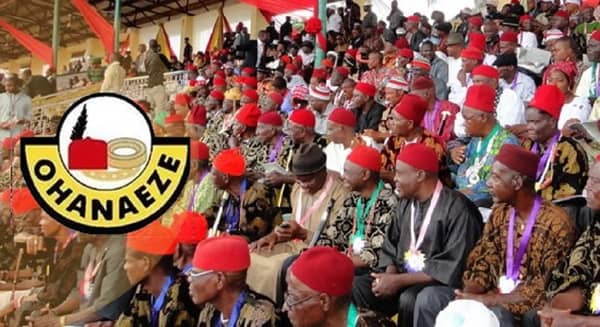
The President-General of Ohanaeze Ndigbo Worldwide, Senator John Azuta-Mbata, disclosed this during the organisation’s Imeobi meeting at the International Conference Centre, where he presented a one-year stewardship account.
Azuta-Mbata said plans were underway to establish professorial chairs dedicated to Igbo language, history and culture, backed by N35 million start-up grants. He further revealed that seven professorial chairs—one each in universities across the seven Ohanaeze states—had already been endowed, with applications from qualified professors currently under review.
“This is not just an academic intervention, but a strategic investment in cultural preservation, intellectual renaissance and the safeguarding of our identity for future generations through rigorous research and scholarship,” he said. “We are ensuring that the Igbo narrative is documented, defended and dignified.”
To ensure sustainable funding and efficient administration of the organisation, the President-General announced the establishment of Alaigbo Development Company and the Ndigbo Development Foundation, noting that both bodies would receive a N50 million start-up grant before the end of 2025.
Reviewing achievements from his first year in office, Azuta-Mbata said construction of the new Ohanaeze national headquarters in Enugu was nearing completion. He described the edifice as a monumental step towards providing the organisation with a fitting administrative nerve centre and a lasting institutional legacy.
“It is our plan to incorporate a museum of Igbo music, art and culture within the premises, making it a centre where Igbo artefacts and cultural items can be found,” he added.
On the broader significance of the Imeobi meeting, the Ohanaeze leader said it symbolised renewal, continuity and the Igbo people’s collective resolve to remain relevant, impactful and generationally significant. He also presented a revised Ohanaeze constitution to the Imeobi for consideration.
Speaking at the meeting, renowned political economist Pat Utomi urged Igbos to define their place within the Nigerian project, stressing the need for a level playing field for all citizens. He called for strict adherence to the rule of law and the protection of property rights as prerequisites for wealth creation and preservation.
“If you don’t have a society that preserves the rights of people to own property, you will always be vulnerable,” Utomi said, adding that Nigeria needed principle-driven political leadership to achieve meaningful progress.
Former Minister of Power, Chinedu Nebo, emphasised the need for Igbo unity and collective action in addressing shared challenges, urging the people to speak with one voice in pursuing their legitimate interests.
Also contributing, Professor of Political Economy at Nasarawa State University, Jideofor Adibe, identified what he described as “Igbo phobia”—a long-standing sense of exclusion dating back to colonial times—as a core challenge confronting the Igbo. He proposed a new charter for Ohanaeze Ndigbo, stressing that Igbo identity must be a driving force in self-preservation and development.
Adibe further called on Igbo musicians, artists and filmmakers to intensify efforts to project Igbo culture on global platforms such as Netflix, warning that cultural regression would persist if deliberate steps were not taken. He also urged the Igbo to build alliances with other regions and redirect youth grievances through the development of strong, inclusive economies.
The meeting attracted several prominent Igbo leaders and dignitaries, including former Labour Party presidential candidate Peter Obi, former Secretary to the Government of the Federation Anyim Pius Anyim, and the Obi of Onitsha, Alfred Achebe, among others.