 Follow Us on Google News


 Follow Us on Google Discover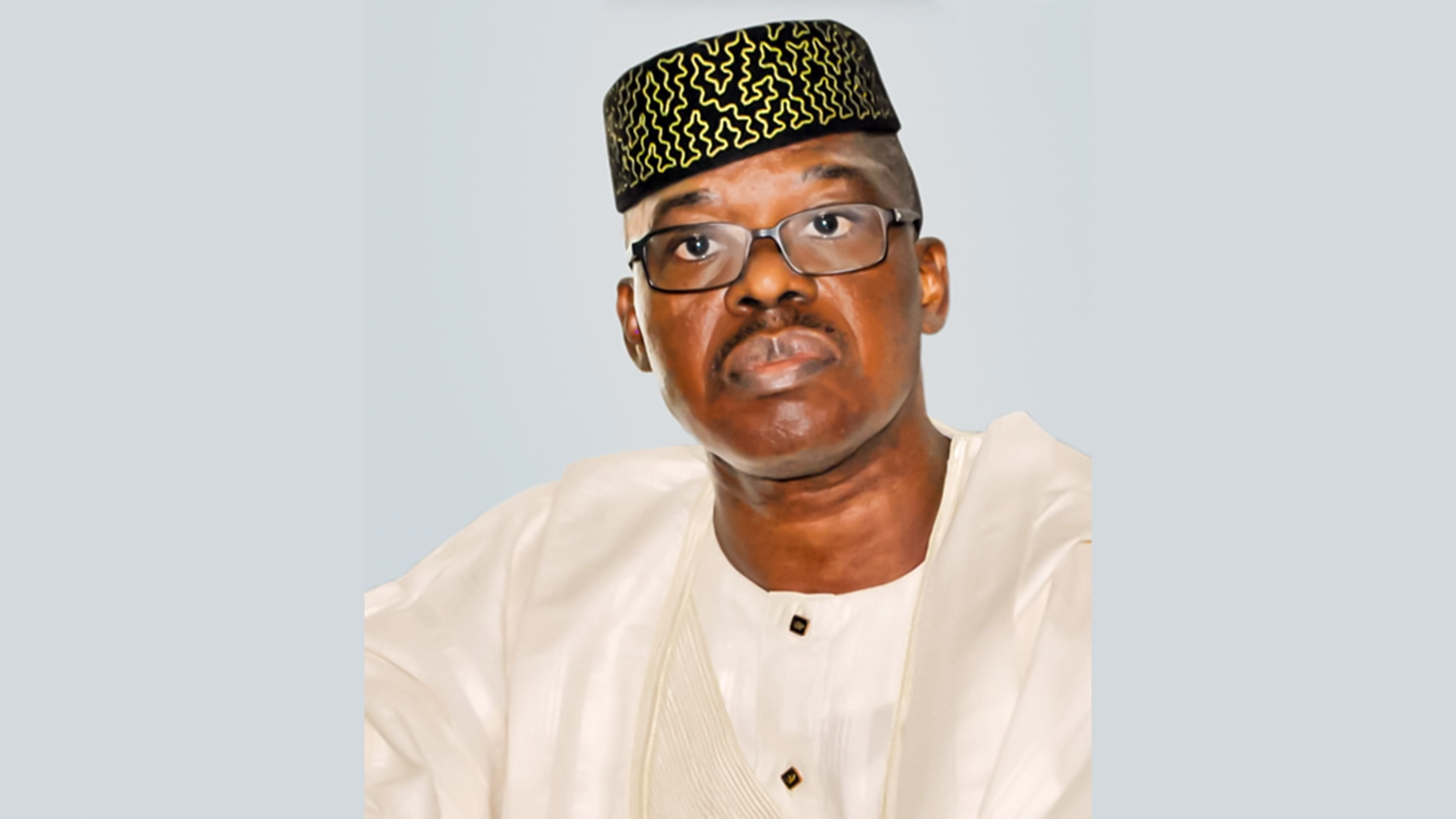
Former Ekiti State Governor, Segun Oni, has called for immediate structural reforms in Nigeria’s political and economic systems, warning that the nation risks repeating the same governance failures under different forms if urgent action is not taken.
He said that the country’s democratic process is gradually drifting into what he described as “organised opportunism” hidden under the guise of multi-party politics.
Oni disclosed this while speaking on Frontline, a current affairs programme on Eagle 102.5 FM in Ogun State, where he expressed concern over the state of Nigeria’s democracy.
He blamed the trend on excessive party proliferation and self-serving defections. Saying that, “To be honest, we are regressing. Too many political parties only create opportunism. If we had limited ourselves to a few viable platforms, democracy would function better.”
Oni acknowledged that Nigeria is witnessing some level of macroeconomic stability but stressed that ordinary citizens have yet to feel its impact.
With inflation and high living costs persisting, he argued that exchange rate stability alone is not enough if the naira remains weak.

He said: “Stability is important, and we must applaud it. But we are not where we should be. The value of the currency still matters, and Nigerians are not feeling the impact positively.”
Linking economic hardship to insecurity, Oni noted that agricultural productivity has been severely affected as farmers abandon their lands due to fear of violence and kidnapping.
He warned that this decline in local food production is fueling inflation across the country, adding that, “When farmers cannot go to their farms, everything is affected. Even rumours of kidnapping create panic and disrupt economic activities.”
He however, commended the efforts of security agencies and urged Nigerians to support them with credible intelligence.
On recent government policies such as subsidy removal and forex unification, Oni described them as necessary but painful, insisting that authorities must address their immediate consequences on citizens.
While he expressed reservations about direct cash transfers, he supported structured palliative systems, recommending distribution through schools and religious institutions for greater efficiency.
Oni also advocated a major overhaul of Nigeria’s political party system, calling for a reduction in the number of registered parties and the introduction of performance benchmarks to ensure relevance and accountability.
Oni said: “Some parties barely campaign and still remain registered. That is a waste. We should set minimum performance thresholds and review them regularly.
“We must not be deceived by the noise of new parties,” he said. “If we don’t fix the system, we will keep repeating the same problems in different forms.”
Reaffirming his loyalty to the All Progressives Congress (APC), Oni dismissed fears surrounding defections and emerging coalitions, arguing that the root issue lies in poor internal party management rather than ideological differences.
He added that frequent political movements are less about ideology and more about leadership failures within parties.“Setting up new parties is not the solution. The real problem is failure to manage existing structures.”
Oni concluded with a strong warning that Nigeria must not be distracted by the emergence of new political platforms without addressing deeper systemic issues.

