 Follow Us on Google News
 Follow Us on Google Discover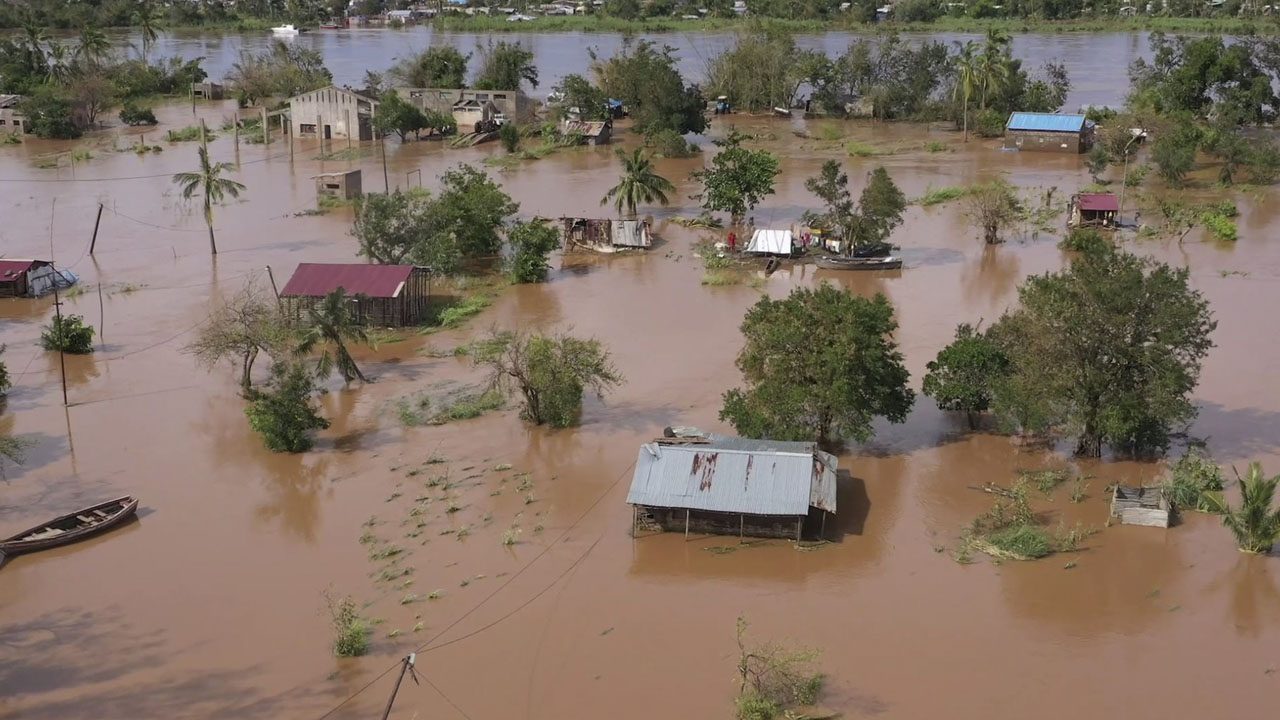

United Nations International Children’s Emergency Fund (UNICEF), yesterday, said the year 2022 brought overwhelming flooding to, at least, 27.7 million children in 27 countries worldwide.
The UN body noted that a large majority of the 27.7 million children affected are among the most vulnerable and are at high risk of a multitude of threats, including death by drowning, disease outbreaks, lack of safe drinking water, malnutrition, disruption in learning and violence.
UNICEF Director for Global Communication/Advocacy and Head of Delegation at COP27, Paloma Escudero, said: “We are seeing unprecedented levels of flooding all around the world this year, and with it, an explosion in threats to children.
[ad]
“The climate crisis is here. In many places, the flooding is the worst it has been in a generation, or several.”
Our children are already suffering at a scale their parents never did.”
Escudero said the aftermath of floods is often more deadly for children than the extreme weather events that caused the flooding. He also noted that floods have contributed to increased spread of major killers of children, such as malnutrition, malaria, cholera and diarrhea.
Floods displaced an estimated 840,000 children across Nigeria in recent months. In Pakistan, more than one in nine children under five were admitted to health facilities in flood-affected areas of Sindh and Balochistan.

In Chad, 465,030 hectares of farmland were destroyed, worsening the already dire food insecurity situation. In Malawi, torrential rains and flooding by tropical storm Ana in January 2022 caused extensive damage to water and sanitation systems, which created the perfect conditions for a cholera outbreak. The outbreak has claimed the lives of 203 people, out of which 28 are children. To date, 1,631 children have been infected with cholera.
The UN recently warned that some communities are likely to face starvation if humanitarian assistance is not sustained and climate adaptation measures are not scaled-up.
In addition to threatening the lives of millions of children, floodwaters have disrupted essential services and displaced countless families.
The recent floods in Pakistan damaged or destroyed nearly 27,000 school buildings, forcing two million children to miss school.
In South Sudan, 95 UNICEF supported nutrition sites have been affected by floods, hampering the delivery of life-saving and preventative malnutrition services to 92,000 children. Also floods have deprived 38,813 children from access to education, affected 126 schools in Cameroun, while heavy rains and flooding in Yemen triggered floods, causing extensive damage to shelters in displacement sites. Up to 73,854 households were affected, and 24,000 households were displaced.
[ad]

