 Follow Us on Google News
 Follow Us on Google Discover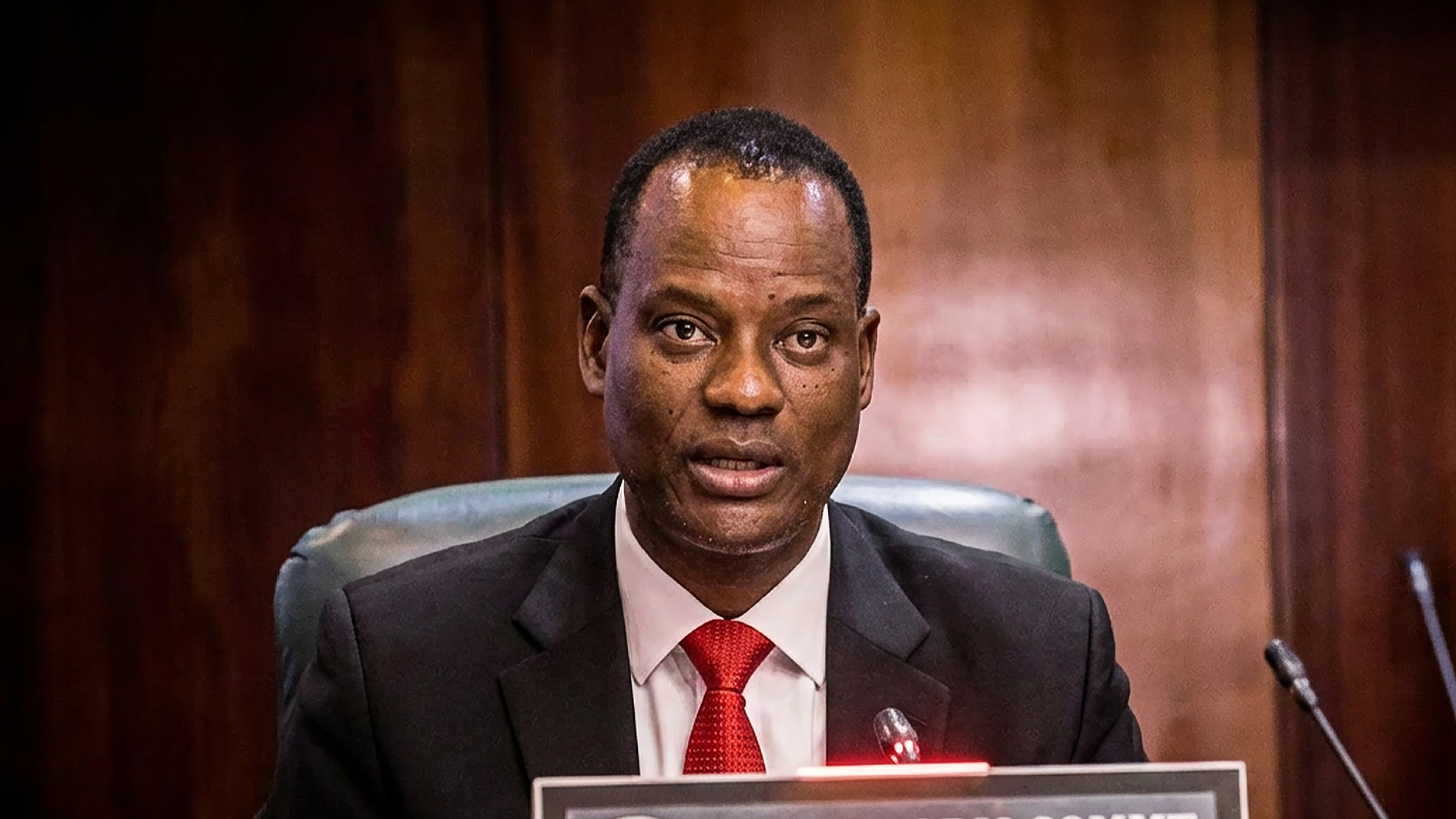
Taiwo Oyedele has lamented that almost half of government budgets across federal and state levels were financed through borrowing.
He expressed his disapproval during a screening exercise that led to his confirmation as a minister of state by the Senate
Oyedele is expected to replace Mrs Doris Uzoka-Anite as Minister of State for Finance.
Led by Senate President, Godswill Akpabio, senators spent over two hours grilling the nominee before eventually confirming him as a minister-designate.
DURING the screening, Oyedele warned that Nigeria’s public finances were under significant strain, revealing that almost half of government budgets across federal and state levels were financed through borrowing.
The nominee painted a sobering picture of the country’s fiscal realities, attributing persistent budget implementation challenges to unrealistic revenue projections and excessive deficit financing.

He noted that over the past five years, Nigeria had repeatedly drawn up ambitious spending plans without corresponding revenue strength to support them.
According to him, budgets that lack actual funding undermine development plans and delay critical infrastructure.
He warned that allocations without available funds were meaningless.
To address the problem, Oyedele said he would prioritise a full audit of government financial obligations, particularly debts owed to contractors.
“If I am confirmed by this distinguished Senate, one of the first things I will do is create a clear status quo analysis. In many countries, you even quantify what we call domestic arrears. If we owe contractors, we should know it.
“We should say: as of today, this is how much we owe contractors, this is how much we have, this is the gap, and this is how we plan to raise the money.”
He also criticised the prolonged execution of infrastructure projects, noting that slow delivery reduces economic value.
On debt management, Oyedele disclosed that Nigeria faced substantial Eurobond obligations in the coming years, saying: “Nigeria has about $18.5 billion in Eurobond obligations, and about $7 billion will mature in the next five years.”
However, he noted that refinancing those bonds at current lower yields could reduce debt servicing costs.
He also suggested exploring forward crude oil sales to protect the country from oil price volatility.
Oyedele added that strengthening fiscal discipline and improving public spending efficiency would be central to stabilising the economy and ensuring that government resources translate into tangible benefits for Nigerians.
Responding to the numerous questions by lawmakers, Oyedele acknowledged the concerns raised by the lawmakers and said Nigeria had historically focused too much on taxation and oil revenues while neglecting other sources.
He identified policy uncertainty as a major challenge affecting the development of the solid minerals sector.

