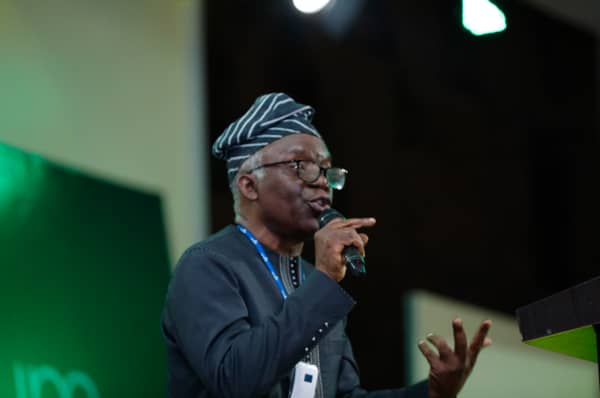
A Senior Advocate of Nigeria (SAN) and human rights advocate, Femi Falana, has raised concerns over the political and moral implications of Nigeria’s military intervention in the Republic of Benin, warning that the exclusion of opposition forces in African countries contributes to conditions in which coups thrive.
Speaking in an interview on Channels TV’s Politics Today, Falana reviewed the regional security context following the Senate’s approval for President Bola Tinubu to deploy Nigerian forces for a peacekeeping mission.
“Whereas the Senate has certified the intervention of Nigeria in Benin Republic, can you promote peace without justice?” Falana asked, stressing the fragility of democratic systems across West Africa.
He pointed to repeated coups and attempted overthrows in the region, including recent events in Nigeria, Sierra Leone, Guinea-Bissau, Mali, and Burkina Faso.
“Benin Republic almost joined them. The rickety democratic systems in these countries might collapse. All opposition figures are either in jail, in exile, or deceased,” he noted.
Falana criticised the political exclusion of opposition leaders as a key driver of instability. He cited examples from Togo, Côte d’Ivoire, Zambia, and Uganda, where constitutional manipulation and the suppression of dissenting political actors have entrenched power in the hands of incumbents.
“Nigeria clearly has its job cut for it. If we want to stop coups, we must ensure that political pluralism exists. You cannot have a situation where the country is becoming a one-party state,” he said.
On Nigeria’s intervention, Falana acknowledged the legal and constitutional basis, referencing the president’s consultation with the Senate and adherence to ECOWAS protocols. However, he emphasised that the mission carries moral and political responsibilities: “Nigeria must put its house in order by allowing opposition parties to contest elections credibly, protecting freedom of expression, and addressing the economic and security crises that drive mass discontent.”
Falana also recalled Nigeria’s historical role in regional peacekeeping, citing interventions in Sierra Leone, Liberia, Gambia, and São Tomé and Principe.
He said, “Nigeria has been part of the solution, but what happened in Benin Republic is different. Once the people troop out, it is difficult for invaders to succeed. You are fighting the people on the street, not just isolated coup plotters,” he said.
The SAN further added that African civilian governments must avoid policies that inadvertently empower military opportunists.
“Leaders must ensure political inclusion, address economic grievances, and strengthen democratic institutions. Otherwise, mass disillusionment will continue to provide openings for coups,” Falana warned.
The intervention in the Republic of Benin has drawn attention to Nigeria’s broader regional responsibilities, with Falana urging both legal compliance and moral prudence in the deployment of troops to maintain peace and stability.