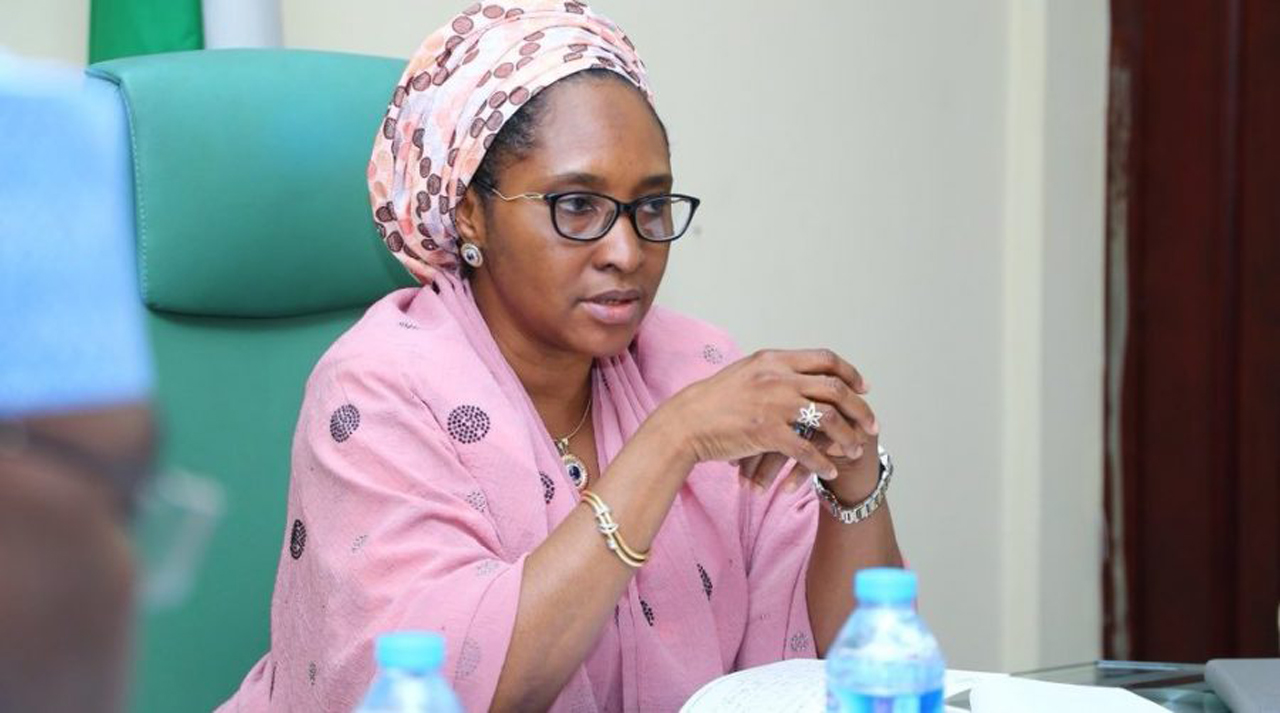
Minister of Finance, Budget and National Planning, Zainab Ahmed, last week, said government planned to end petroleum subsidy from mid-2023.
On the Twitter and YouTube platforms of the broadcast station, a question was asked whose responsibility it is to mentally prepare residents of Africa’s most populous nation for this change in price, the results of the two online polls say government should shoulder the responsibility.
According to the results, 44 per cent of respondents picked government, while 43 per cent said the responsibility should be equally shared between government, economic think tanks, media and labour unions.
Responding to the poll, while speaking to the station on the station’s Global Business Report, Dr. Andrew Nevin, Partner and Chief Economist at PwC Nigeria, said: “There needs to be some communications to Nigerians on planning for what is going to be a major change.”
Chief Economist at Coronation Merchant Bank, Chinwe Egwim, also responded to the poll saying: “A collective effort is required from the perspective of government in terms of a policy reform and the media as one of the most powerful tools that can communicate change and articulate the right message to support necessary adjustments to a post-fuel subsidy Nigeria.”
Chief Economist at the Development Bank of Nigeria, Prof. Joseph Nnanna, noted: “Economic think tanks have a role in explaining the economic implications for Nigerians, especially for those at the bottom of the pyramid.”
CEO of CFG Advisory, Tilewa Adebajo, said the responsibility lies squarely with government, stating: “If government is not taking the lead in this, then it is not going to work. We do not have enough revenues to service our debts. Our revenues are down because or nothing to the Federation Account. The government is in violation of the Fiscal Responsibility Act. If there is no political will from the government, then we will still be talking about fuel subsidies next year.”
Dwindling national fortunes have taken a huge toll on the economy with government suggesting that harsher fiscal times are to come in 2023 if fuel subsidies are retained.
The minister has said government’s budget deficit is to exceed N12.42 trillion if petroleum subsidies are maintained for the entire 2023 fiscal cycle. She said government plans to borrow over N11 trillion and sell national assets to finance the budget deficit in 2023.