 Follow Us on Google News
 Follow Us on Google Discover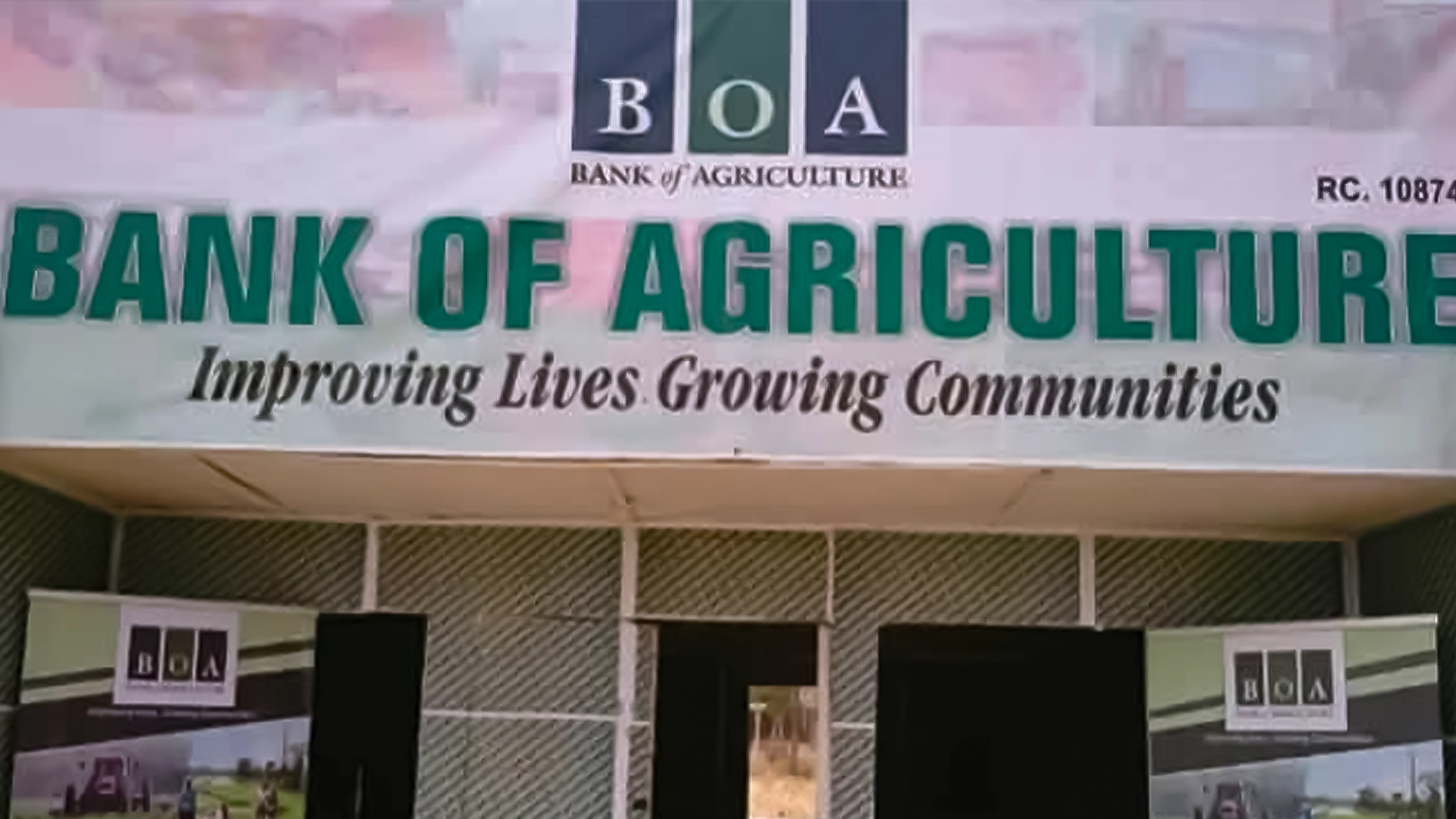
The Bank of Agriculture (BoA) has warned that Nigeria’s the worsening energy situation is threatening food security, agricultural productivity and rural livelihoods, saying thousands of people and farming communities continue to operate without reliable electricity.
Officials of the Bank raised the concern during a capacity-building workshop in Kaduna, on Clean Energy Access Framework (CEAF) for its staff, organised in partnership with DalaHill LP and funded by the Africa Climate Foundation (ACF).
Speaking at the workshop, Head of the Clean Energy Delivery and Innovation Unit at BOA, Dr. Adnan Aminu, said about 86.8 million Nigerians, representing 46.4 per cent of the population, lack access to electricity, while more than 120,000 farming communities remain without reliable power.
He said the energy deficit has continue to limit agricultural production, processing, storage and value addition, forcing many farmers and agro-processors to depend on expensive diesel and petrol-powered equipment.
“Agriculture requires energy not only for production but also for processing, storage, value addition and virtually every stage of the agricultural value chain. What we are doing is positioning the Bank of Agriculture to credibly finance clean energy solutions for the sector,” Aminu said.
According to him, the bank is developing a Clean Energy Access Framework that will enable it finance renewable energy solutions such as solar-powered irrigation systems, cold storage facilities, mini-grids and clean energy-powered processing equipment.

He disclosed that the framework would be completed before the end of the month, after which the bank would begin mobilising funding from international development partners, government and the private sector to finance clean energy projects for farmers and agribusinesses.
However, Aminu said the bank intends to provide financing ranging from ₦500,000 to ₦5 million for small-scale clean energy projects, while larger investments could attract higher financing based on their viability.
Meanwhile, Project Manager at DalaHill LP, Toby Ilori, said “Nigeria possesses vast agricultural potential but has been unable to fully harness available global climate finance because institutions require stronger technical and implementation frameworks.”
She explained further that “DalaHill is supporting the Bank of Agriculture to build the expertise, systems and institutional capacity needed to unlock climate finance and channel it into sustainable agricultural projects.”
According to her, “we see ourselves as a solution-driven firm. Our role is to provide the expertise and advisory support that will enable the Bank of Agriculture to structure clean energy investments capable of attracting climate finance and delivering sustainable impact”.
She noted that inadequate energy supply has weakened processing, storage and agricultural supply chains, making it difficult for farmers to preserve produce or compete effectively in local and export markets.
“We have the land, we have the people and we have the knowledge. What has been missing is the infrastructure and financing framework needed to unlock Nigeria’s agricultural potential,” she added.
Also speaking, Head of Strategy and Performance Management at BOA, Ogaruwu Anselm, said the initiative aligns with global efforts to promote climate-smart agriculture while reducing dependence on fossil fuels.
He said renewable energy technologies, particularly solar-powered cold storage facilities, would significantly reduce post-harvest losses suffered by farmers across the country.
“Most agricultural belts experience huge post-harvest losses because farmers lack adequate storage facilities. Clean energy-powered cold chains will help preserve produce, improve farmers’ incomes and strengthen Nigeria’s food security,” he added.
Anselm added that the initiative would also widen access to climate finance, improve agricultural productivity and support Nigeria’s transition to a low-carbon, climate-resilient economy.
The Catalyzing Clean Energy Solutions for Agricultural Value Chains Project has established a dedicated Clean Energy Delivery and Innovation Unit within the Bank of Agriculture which will leverage the Clean Energy Access Framework and Lending Toolkit developed to attract domestic and international climate finance for a pipeline of bankable clean energy projects capable of supporting agricultural development.

