House of Representatives has urged the Federal Ministry of Education to immediately suspend the implementation of its recent curriculum review, which led to the removal of key subjects, including Computer Studies, Data Processing, Electrical Installation and Maintenance, Photography and Civic Education from the West African Examinations Council (WAEC) portal.
Moving a motion of urgent public importance on the floor of the House yesterday, Oboku Oforji described the decision as ill-timed and disruptive.
He warned that the removal of the subjects could jeopardise the academic future of thousands of students preparing for the 2026 West African Senior School Certificate Examination (WASSCE).
Oforji noted that while curriculum improvement was necessary, the sudden withdrawal of widely offered and high-demand subjects, such as Data Processing and Computer Studies, contradicted the country’s push for digital literacy at a time when global education was driven by technology.
He also faulted the removal of Civic Education, which is mandatory in secondary schools and central to promoting citizenship awareness and national orientation.
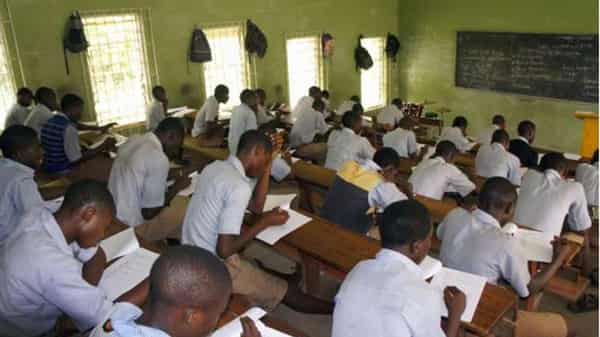
The lawmaker expressed concern that students in SS3, who had studied these subjects since SS1, faced confusion and distress with only four months left before the WASSCE.
He said: “It is worrisome that at a time when the world is going digital, especially in the educational sector and Nigeria is trying to catch up that you remove a fundamental subject like Computer Science. Most of our Examination Bodies are adopting the CBT model for the conduct of their examinations. How will such students learn the basics? Students in SS3 have been diligently studying these removed subjects (Data Processing, Computer Studies, Civic Education, etc) from SS1.
“Worried that the removal of three or more foundational subjects from the mandatory eight subjects limits the students, and violates the minimum requirement for the examination, which is eight, they will now be left with five subjects.
“Also worried that with the West African Senior School Certificate Examination (WASSCE), barely four months away, it is academically impossible for students to select and adequately prepare for new, unstudied subjects to meet the required eight subjects (at least three new subjects).”
Oforji lamented that the academic future of thousands of students across the country was in jeopardy and, by inference, their rights were being tampered with.
According to him, the directive leaves many candidates with only five examinable subjects below WAEC’s minimum requirement of eight and forces them to hurriedly choose unfamiliar subjects they have never been taught.
Adopting the motion, the House urged the Ministry of Education to rescind the policy and allow students scheduled for the 2026 WASSCE to sit for the subjects they had been preparing for.
It also resolved to establish an ad hoc committee to ensure compliance with the directive, given the matter’s sensitivity and urgency.