 Follow Us on Google News


 Follow Us on Google Discover
• Demand financial records from grant recipients
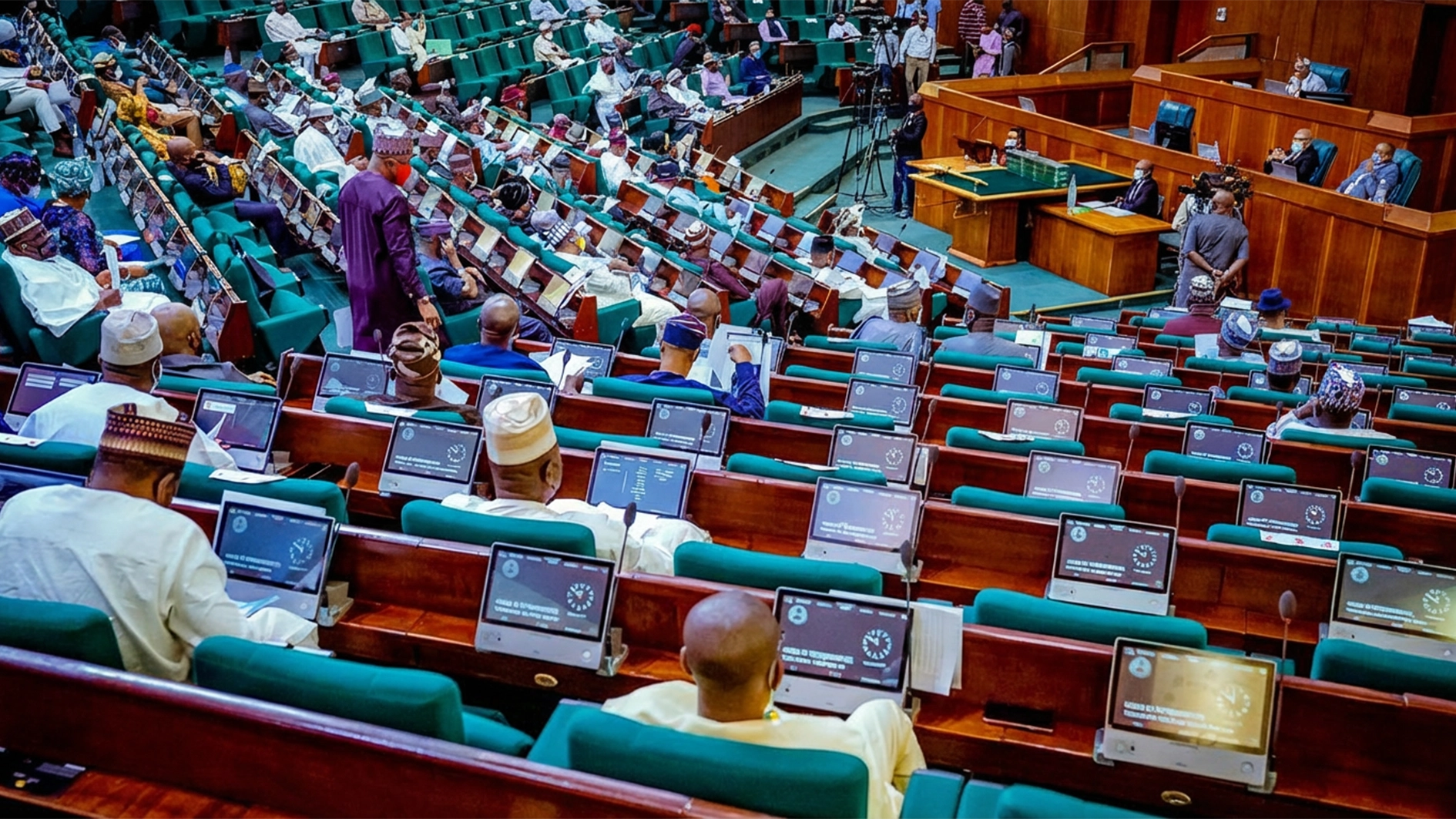
The House of Representatives Committee on Infectious Diseases has launched a probe into the utilisation of about $4.6 billion reportedly disbursed to implementers of HIV/AIDS, Tuberculosis, Malaria and other health interventions between 2021 and 2025, demanding full financial records and procurement documents from recipient organisations.
The House committee also insisted that all principal and sub-recipients of global fund grants must henceforth submit their implementation plans to the National Assembly for approval, alongside quarterly activity reports.
Chairman of the committee, Amobi Ogah, stated this in Abuja during an oversight visit to key implementing partners, including the Institute of Human Virology (IHVN), Family Health International (FHI360), and the Catholic Relief Services (CRS).
The House also advocated the streamlining of implementation of grants for the control of HIV/AIDS, Tuberculosis (TB), malaria and others, by principal and sub-recipients from the Global Fund, to avoid duplication.
This, according to it, forms part of a new oversight framework aimed at strengthening transparency and accountability in the management of health intervention funds.
Ogah said the House was determined to ensure strict monitoring of all resources committed to disease control programmes, stressing that legislative approval of implementation plans and regular reporting had become necessary to prevent duplication and improve efficiency.
“To this end, I will reiterate once more for the benefit of doubt that all recipients of global fund grants and sub-recipients are to submit their implementation plan to the parliament for approval,” he said.
He added that quarterly reports on activities would also be mandatory, noting that the National Assembly was working towards a coordinated and robust oversight mechanism for all implementers.
According to him, it is imperative that every mobilised resource must be judiciously expended and accounted for, adding that the committee is charging all global fund recipients to sit up, as it will no longer be business as usual.
Meanwhile, at the Institute of Human Virology, Chief Executive Officer, Dr Patrick Dakum, who joined the engagement virtually, said the oversight visit provided an opportunity for lawmakers to better understand both the achievements and operational challenges in the fight against HIV, TB and malaria.
A presentation by Dr Adetiba Temitope of the IHVN indicated that the Institute received about $359.4 million from the global fund between 2021 and 2026, with an expected additional $170.96 million for the period under review.
It also explained that procurement processes are largely handled through direct vendor payments to manufacturers, based on country requests.
At the Catholic Relief Services (CRS), Country Representative, Akim Kikonda, said the organisation welcomed the scrutiny, describing accountability and transparency as central to its operations.
“We see accountability as a big part of our mission. We are more than happy to collaborate with your committee to ensure proper oversight,” he said.
CRS disclosed that it received about $74.784 million between 2021 and 2026.
Similarly, Family Health International (FHI360) told the committee that it had received approximately $290.44 million between January 2021 and December 2023, out of which $223.99 million had been disbursed before the end of the programme cycle.
Its Country Representative, Dr Victor Ogbodo, said the engagement underscored the importance of collaboration between the legislature and implementing partners in strengthening Nigeria’s response to infectious diseases.
The House committee subsequently directed all organisations to submit bank statements and detailed records of procurement processes as part of its ongoing investigation.
Reps probe $4.6b HIV, TB funds
Date: 4 May 2026 4:03am WAT
House of Representatives
House of Representatives

