 Follow Us on Google News
 Follow Us on Google Discover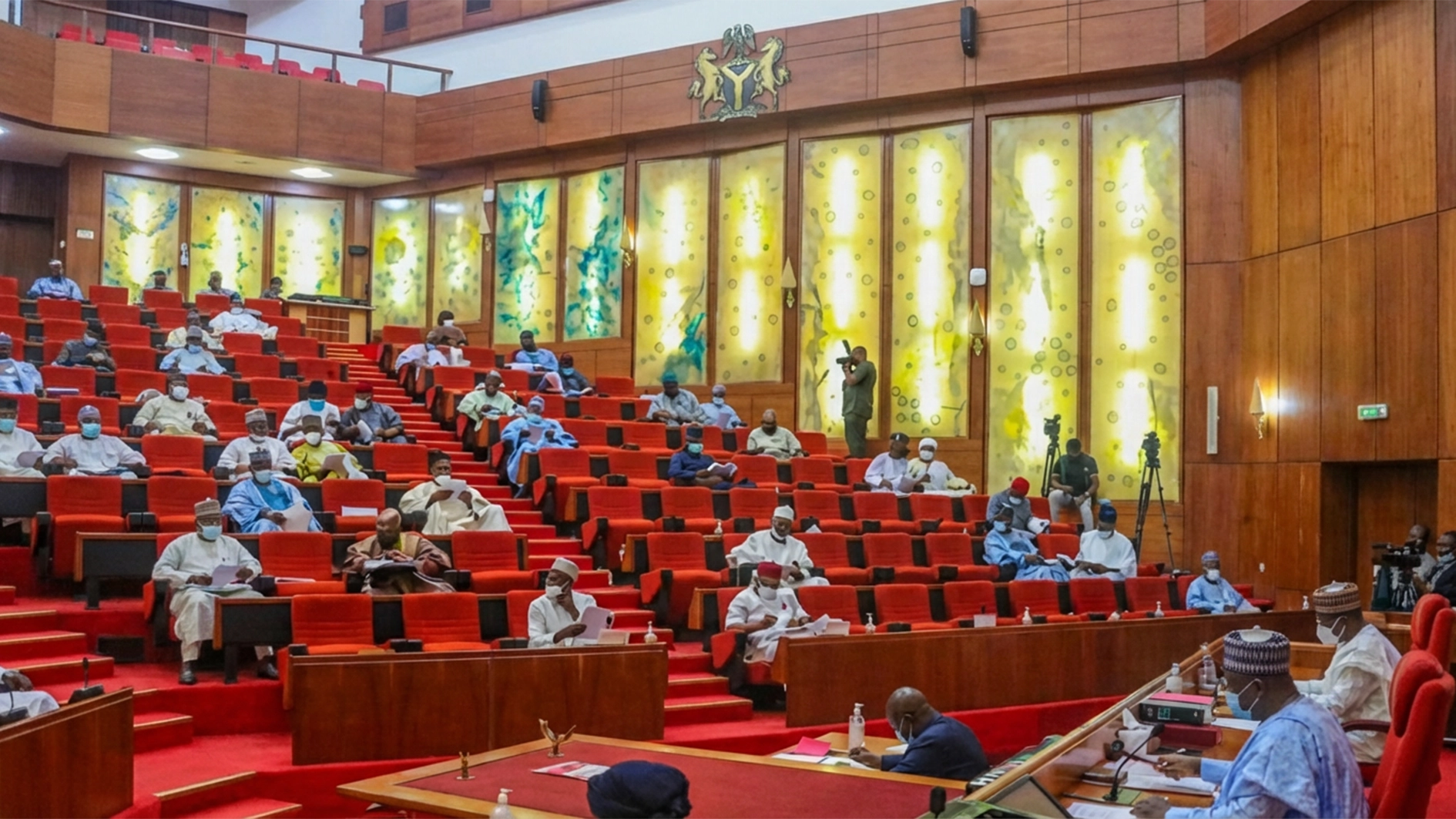
The Senate has called for a strengthened regulatory framework that positions the Central Bank of Nigeria (CBN) at the centre of oversight of the country’s fast-growing fintech sector, while urging tougher measures to curb the proliferation of Ponzi schemes.
The recommendation was made by Chairman of the Senate Committee on Banking, Insurance, and Other Financial Institutions, Mukhail Adetokunbo Abiru, during a one-day public hearing at the National Assembly complex yesterday.
The event focused on the proposed amendment to the Banks and Other Financial Institutions Act (BOFIA) 2020 (SB. 959) and included an investigative session into fraudulent investment platforms, notably the recent Crypto Bullion Exchange (CBEX) incident.
Abiru, a retired bank chief and economist, emphasised that fintechs — including mobile money operators, digital lenders, payment platforms, and settlement companies — have become systemically important to Nigeria’s financial ecosystem.
While their growth has expanded financial inclusion, existing laws, he said, do not fully address the scale, data sensitivity, and systemic impact of these technology-driven institutions.
“The question has arisen as to whether a new standalone regulatory agency would be preferable for supervising fintechs,” Abiru said, adding: “However, creating a separate agency would duplicate functions, fragment oversight, and increase bureaucratic costs. It is far more effective to strengthen the BOFIA framework, modernise CBN supervisory powers, and mandate coordination with key agencies such as the Securities and Exchange Commission, Nigerian Communications Commission, Corporate Affairs Commission, Federal Competition and Consumer Protection Commission, and the Office of the National Security Adviser.”

The lawmaker proposed that the amendment should explicitly empower the CBN to designate qualifying fintechs as Systemically Important Institutions, establish a national registry for transparency and beneficial ownership disclosure, as well as strengthen risk-based supervision tailored to technology-driven financial services.
Beyond fintech regulation, the Senate intensified scrutiny on Ponzi schemes and fraudulent investment platforms.
Abiru described the rising prevalence of such schemes as a threat to financial stability and public trust, citing the CBEX debacle, which reportedly caused severe financial losses to individuals across Nigeria — including professionals, traders, students, and retirees.
Stakeholders and regulatory agencies that submitted to the hearing included the CBN, the Nigerian Deposit Insurance Commission (NDIC), the EFCC, the NCC, the FCCPC, the Ministry of Finance, and professional bodies such as the Chartered Institute of Bankers of Nigeria.
The Senate’s call reflects growing urgency to modernise Nigeria’s financial regulatory architecture, thus ensuring that fintech innovation is balanced with systemic stability, consumer protection, and coordinated oversight to prevent fraud.

