 Follow Us on Google News
 Follow Us on Google Discover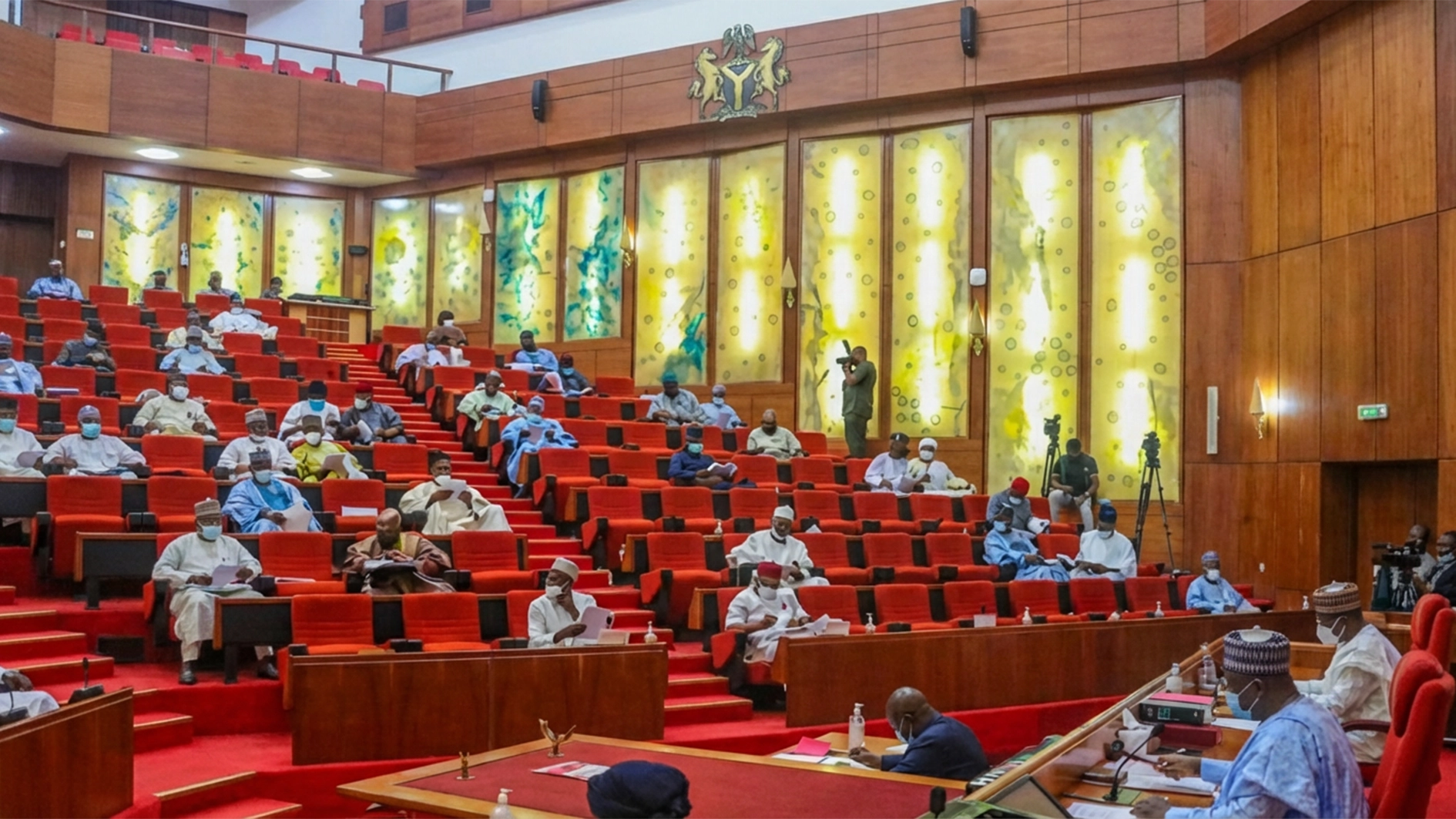
The Senate, through its Committee on Finance, has issued a stern warning to the Office of the Accountant-General of the Federation, threatening to withhold its 2026 budget allocation entirely. The threat comes amid growing frustration over the poor release of funds by ministries, departments, and agencies (MDAs) and the government’s inability to settle long-standing contractor obligations.
The warning was delivered on Thursday, when Accountant-General Shamseldeen Ogunjimi appeared before the committee to defend his office’s proposed 2026 budget. The committee, chaired by Senator Sani Musa, refused to even consider the proposal, citing systemic inefficiencies and a failure to ensure timely disbursement of appropriated funds.
According to the Senate, delays in fund releases have left several critical agencies, including the Nigerian Bulk Electricity Trading Company (NBET) and the Fiscal Responsibility Commission, struggling to meet operational obligations.
Senator Danjuma Goje highlighted the failure to clear over N2.2 trillion owed to contractors, questioning the management of revenues generated from fuel subsidy removals and government-owned enterprises. “Where is the money?” he asked, pressing Ogunjimi on the inability to translate revenue inflows into tangible results for contractors and agencies.
Senators argued that poor funding has consistently hampered key operations, from statutory transfers to security agencies to the Independent National Electoral Commission (INEC). They criticised the Accountant-General’s reliance on the envelope system of fund disbursement, describing it as outdated and opaque. The committee recommended a shift to a performance-based system that links fund releases to measurable outputs, ensuring accountability and reducing delays.
Ogunjimi, in his defence, stressed that the Treasury can only disburse funds that are formally released to it. He explained that the office currently operates without the flexibility of a Ways and Means facility, a mechanism that allows temporary bridging of funding gaps. He also acknowledged challenges in the existing payment platform, which he said is undergoing expansion to improve its capacity and efficiency.

He further highlighted the role of MDAs in compounding the problem, noting that many fail to remit collected revenues or taxes and award contracts that are not fully backed by cash. These factors, he said, limit the Treasury’s ability to meet obligations even when funds are available.
The Senators’ anger was evident as they repeatedly pressed Ogunjimi to explain why critical agencies continue to operate under severe financial constraints despite government revenue inflows. Line items in the budgets of security agencies, statutory transfers, and INEC were specifically mentioned as areas where inadequate funding had led to operational difficulties.
Senator Goje and other committee members warned that continued inefficiencies could not be tolerated, suggesting that failure to improve fund releases and accountability could result in a symbolic “zero” allocation for the Accountant-General’s office in the 2026 budget. This move would mark an unprecedented intervention by the legislature, signalling zero tolerance for fiscal mismanagement.
Following the heated exchange, the Senate Committee on Finance called for an executive session with the Accountant-General to address unresolved queries and clarify modalities for fund management in the upcoming fiscal year.
The session is expected to review processes for revenue remittance, contract funding, and the proposed transition to a performance-based disbursement system.
The Senate’s approach underscores a growing impatience with fiscal mismanagement, particularly as Nigeria grapples with mounting economic pressures, outstanding contractor liabilities, and the urgent need to fund essential services. Lawmakers are determined to ensure that the Treasury operates with transparency, efficiency, and accountability, holding the Accountant-General directly responsible for past shortcomings.
The confrontation also highlights the challenges inherent in Nigeria’s budgetary system. Despite revenue inflows from fuel subsidy removal, government-owned enterprises, and statutory allocations, inefficiencies in fund disbursement continue to hinder development and delay payments. The Senate’s hardline stance signals a shift toward stricter oversight, as legislators seek to safeguard public funds and ensure operational continuity across MDAs.
Observers note that this may set a precedent for how future budget proposals are scrutinised. The threat of withholding allocations entirely from the Accountant-General’s office sends a clear message: systemic inefficiencies will no longer be tolerated, and revenue mismanagement could have serious political and administrative consequences.
As the 2026 fiscal year approaches, all eyes are on the outcome of the Senate’s executive session with the Accountant-General. If the committee follows through on its warning, it could fundamentally alter how the Treasury manages and disburses funds, enforcing stricter accountability measures for revenue collection, contract payments, and operational releases.
For now, the message from the Senate is unmistakable: the era of unchecked inefficiency in the management of Nigeria’s public finances may be drawing to a close. How the Accountant-General responds could determine whether the Treasury regains credibility or faces the consequences of a “zero” budget allocation, potentially reshaping Nigeria’s fiscal governance landscape for years to come.

