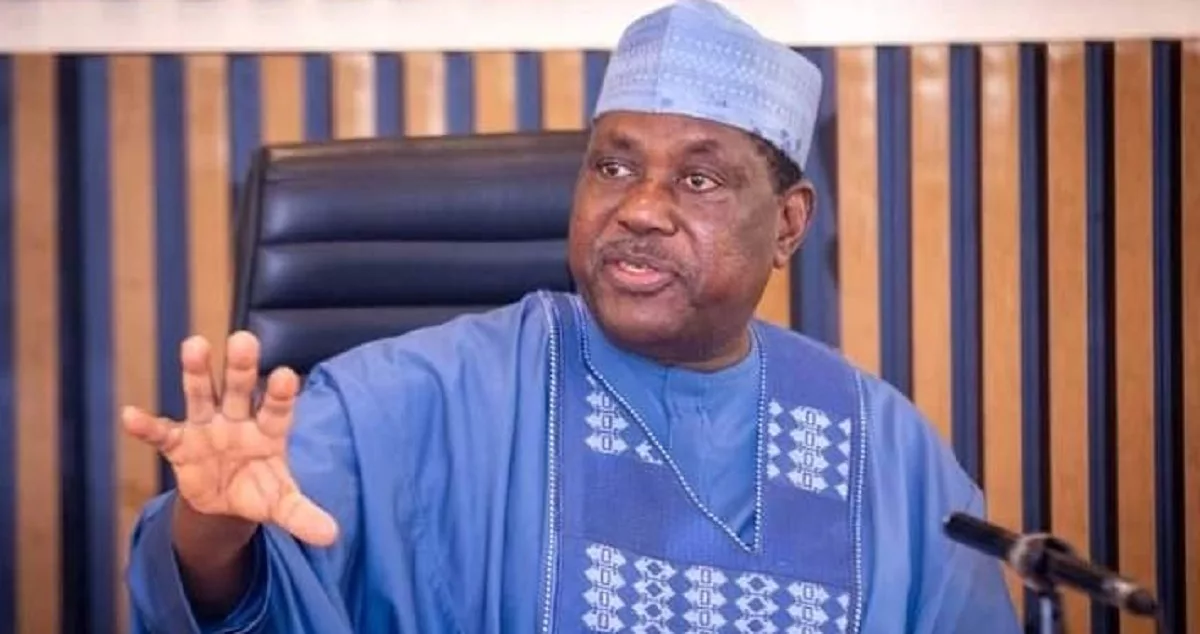
Former Kaduna Central Senator,Senator, Shehu Sani, has called on Nigerians to turn their attention to rebuilding the country following the announcement of expanded visa restrictions by the United States government.
President Donald Trump on Tuesday unveiled new entry restrictions affecting nationals from 24 countries, including Nigeria, citing “persistent deficiencies in screening, vetting, and information-sharing” as threats to U.S. national security.
The proclamation imposes full suspensions on eight countries and partial suspensions on 16 others, covering categories such as B-1, B-2, F, M, and J visas. According to the White House, the measures are “necessary to prevent the entry of foreign nationals about whom the United States lacks sufficient information to assess the risks they pose.”
Reacting to the development on his official X handle, Senator Sani criticised the policy as discriminatory against migrants from developing nations.
He said, “The first visa ban focused on those who engage in acts of religious persecution, and many jubilated on social media, thinking it’s only for government officials. The second visa restriction is for everyone, now that Nigeria is listed among 23 others.”
He questioned the composition of the affected countries, noting that the list disproportionately targeted African and Caribbean nations. “The recent list has no Arab countries but mostly Black Africans and Caribbeans, even though safety and security was used as the basis. The message is very clear: third world migrants are not welcomed. Stay back and build your country or deal with your problems,” he stated.
The Guardian had earlier reported that the restrictions were part of a broader U.S. immigration policy shift aimed at tightening entry requirements for countries deemed to have weak identity management systems.
Nigeria has faced similar visa-related challenges in the past. In 2020, the U.S. imposed restrictions on certain categories of Nigerian immigrants, citing inadequate data-sharing on terrorism and criminal records. That decision prompted debates within Nigeria about governance, security, and the need to strengthen national institutions.