 Follow Us on Google News


 Follow Us on Google Discover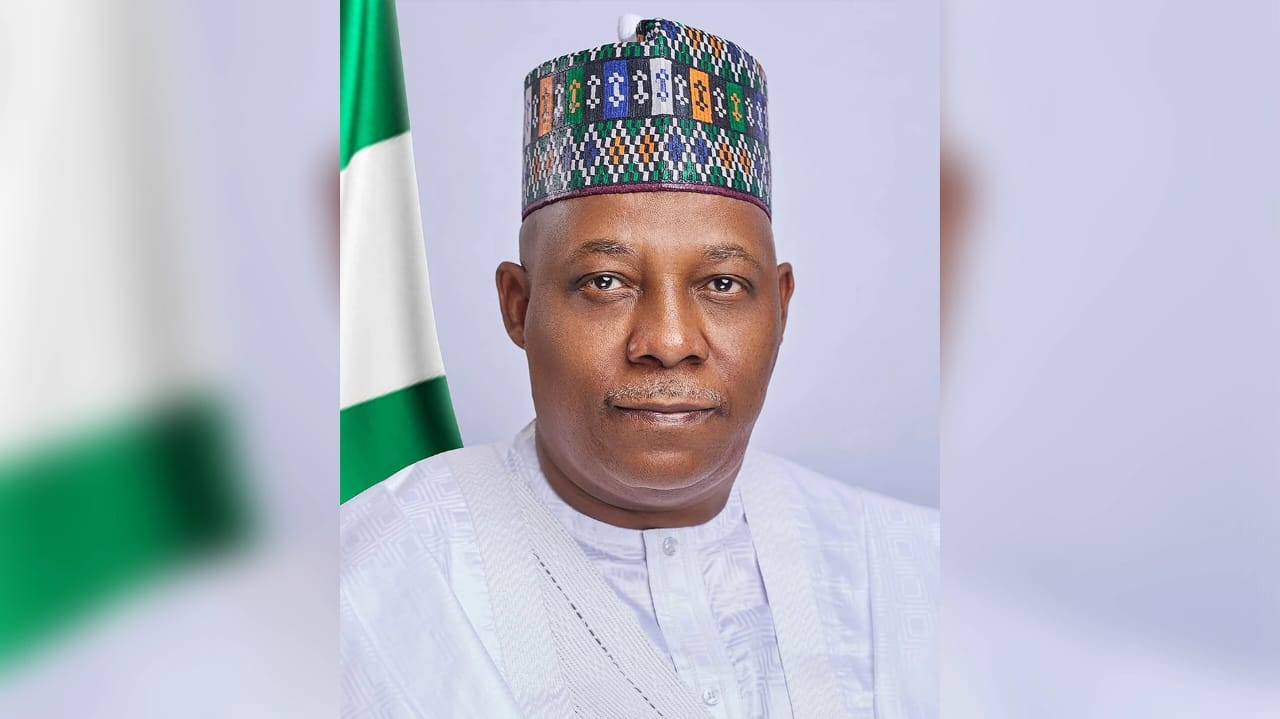
…tasks states on export barriers, says Nigeria must stop exporting raw materials, importing prosperity
Vice President Kashim Shettima on Thursday declared that the success of President Bola Tinubu’s economic reforms would be measured not by policy pronouncements but by tangible improvements in the lives of Nigerians, as the National Economic Council (NEC) approved N83.2 billion to mitigate flooding and other climate-related emergencies across the country.
Shettima also challenged state governments to partner with the Federal Government in dismantling logistical and compliance barriers that continue to hinder Nigeria’s agricultural exports and limit farmers’ access to global markets.
Speaking at the 158th meeting of NEC at the Presidential Villa, Abuja, the Vice President said the administration had moved beyond economic stabilisation and must now deliver concrete results that citizens can feel.
“When this Council last met, I called our economy a workshop, a place of measurement and correction; a place where plans are turned into systems and systems into institutions before any of it becomes prosperity,” he said.
“A workshop is judged by one thing, not by the plans pinned to its walls, but by what comes off the bench. We return to that bench today not to admire the image, but to ask the question that honours it: Is the work taking shape?”

According to him, the Council’s responsibility is to ensure that reforms translate into meaningful outcomes for farmers, manufacturers, vulnerable citizens, unemployed youths and future generations.
“The assignment has not changed. We remain a federation moving from stabilisation to production, from aspiration to implementation, from isolated interventions to coordinated national growth. What has changed, I hope, is our proximity to delivery,” he added.
His remarks came as NEC approved N83.2 billion for interventions under the Anticipatory Action Task Force (AATF), designed to reduce the impact of anticipated flooding and other climate-induced disasters nationwide.
The approval followed a presentation by the Minister of State for Budget and Economic Planning, Senator Abubakar Atiku Bagudu, who outlined the need for proactive measures to address recurring flood threats during the rainy season.
Council members agreed that disaster management in Nigeria must shift from a reactive to a preventive model, noting that the annual devastation caused by flooding requires early intervention and coordinated planning.
Beyond disaster preparedness, Shettima said Nigeria’s economic transformation depends on building complete value chains that connect farms to factories and global markets.
“We cannot continue to export raw materials and import finished prosperity,” the Vice President said.
He stressed that agricultural productivity alone would not guarantee prosperity unless producers can move their goods efficiently through ports and meet international quality standards.
The Vice President therefore urged state governments to work closely with the Federal Government to remove bottlenecks impeding exports, improve logistics infrastructure and strengthen compliance with global standards.
“A nation that cannot move its goods has imprisoned its own farmers,” he said.
“Meeting international standards is not submission to foreign demand. It is the price of the markets that will reward our labour.”
Shettima assured that NEC would continue to address challenges affecting agricultural exports, particularly constraints at the nation’s ports and regulatory shortcomings that weaken Nigeria’s competitiveness in international trade.
He also underscored the importance of strengthening social protection systems, describing them as essential instruments for protecting vulnerable citizens and building human capital.
“A federation does not earn its prosperity by leaving its most vulnerable behind and hoping they catch up. The dignity of the citizen with the least is the floor beneath which we have resolved that no Nigerian shall fall,” he stated.
The Vice President said the Council remained committed to ensuring that reforms translate into inclusive growth, stronger institutions and improved living standards across the federation.

