 Follow Us on Google News


 Follow Us on Google Discover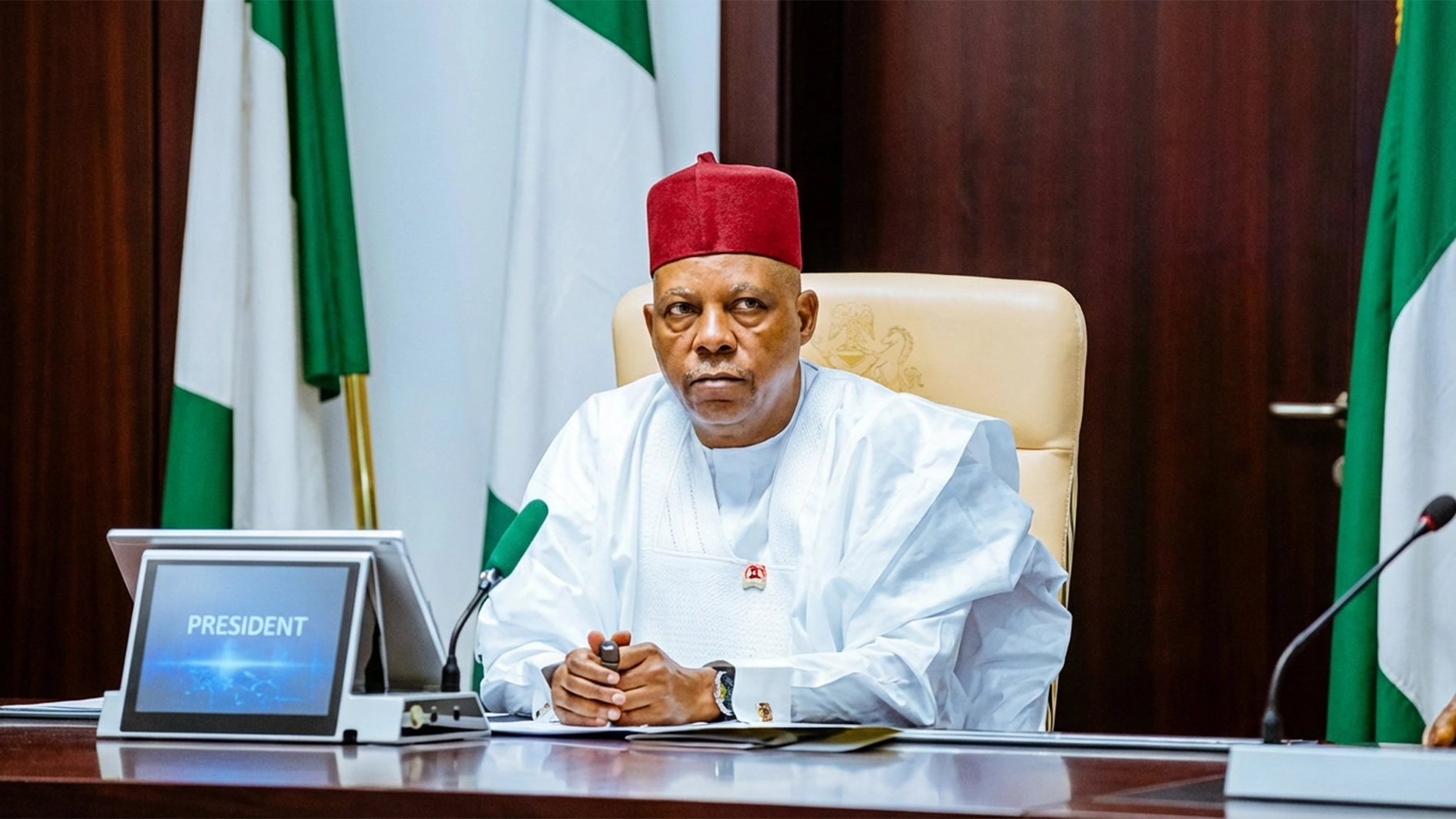
Vice President Kashim Shettima has directed the creation of a new financing framework to strengthen funding for Nigeria’s nutrition interventions, warning that commitments must translate into measurable improvements in the lives of citizens.
At a virtual meeting of the National Council on Nutrition (NCN) on Thursday, the Vice President announced the establishment of a Nutrition Financing Subcommittee tasked with developing a sustainable funding structure for the country’s nutrition programmes.
The committee has been given 30 days to produce a financing roadmap for consideration by both the National Council on Nutrition and the National Economic Council (NEC).
Shettima stressed the need to ring-fence nutrition financing, insisting that predictable funding and strict accountability are essential to bridging what he described as the widening gap between government commitments and real outcomes.
“Budgeting without release is not financing. Allocation without predictability is not reform. Nutrition must be protected,” the Vice President said.
“Every Ministry, Department and Agency must now account not just for figures on paper but for measurable changes in the lives of Nigerians.”

The newly constituted subcommittee will be chaired by the Coordinating Minister of Health and Social Welfare, Prof. Muhammad Ali Pate, with membership drawn from the Ministries of Education, Water Resources, Women Affairs, and Science and Technology.
Also included are the Deputy Chief of Staff to the President and the Senior Special Assistant to the President on Public Health, while the Federal Ministry of Budget and Economic Planning will serve as the secretariat.
Shettima also directed the inclusion of development partners and private sector actors in the committee, specifically naming the Aliko Dangote Foundation among key stakeholders expected to support the process.
The Vice President further urged lawmakers to expedite the National Nutrition Bill, describing the legislation as critical to establishing a strong legal and institutional framework for nutrition coordination, financing and accountability.
“Council recognises the importance of establishing a strong legal and institutional framework to sustain coordination, financing and accountability across sectors. Council therefore resolves that the National Nutrition Bill should be pursued with urgency,” he said.
He noted that while awareness of the importance of nutrition had grown, the real challenge now lies in ensuring effective financing and implementation.
According to him, clarity is required on how funds are budgeted, released, ring-fenced and tracked across ministries, departments, agencies and states.
“If our efforts are to succeed, they must not stop at the federal level. Nutrition outcomes are ultimately determined within households and communities,” he said, urging stronger ownership at state and local government levels.
The council also emphasised that women must remain at the centre of nutrition interventions, given their central role in household nutrition, childcare and food systems.
“Our collective responsibility is to ensure that the policies and commitments we make here translate into real improvements in homes and communities across all 774 local government areas of Nigeria,” the Vice President added.
The council reviewed progress reports on the Food and Nutrition Security Preparedness Plan, the Nutrition 774 Implementation Framework, and the proposed National Nutrition Bill.
It also assessed the Accelerating Nutrition Results in Nigeria (ANRiN) 2.0 Project, with the Vice President urging state governors to fast-track actions needed for its effective implementation, particularly in states with high malnutrition burdens.
Representatives of state governments, including Kwara State Governor Abdulrahman AbdulRazaq, development partners such as UNICEF, and the Aliko Dangote Foundation, reaffirmed their commitment to supporting nutrition interventions nationwide.
The council was informed that State Councils on Nutrition have so far been inaugurated in nine states, Abia, Adamawa, Borno, Cross River, Jigawa, Plateau, Rivers, Yobe and Zamfara, with additional states expected to follow.
Members also reviewed the national nutrition budgeting outlook, which highlighted progress in funding mobilisation but identified persistent gaps across federal and subnational levels.
To address these challenges, the council urged nutrition-related ministries to develop inter-ministerial priority targets aligned with the Nutrition 774 agenda, ensuring that nutrition-focused interventions converge at the household level.
The Minister of Education, Dr. Tunji Alausa, also called for a sustainable financing structure to support the Federal Government’s nutrition agenda and guarantee long-term programme continuity.
The Vice President concluded that the council bears the responsibility of dismantling the systemic barriers preventing Nigeria from achieving improved nutrition outcomes nationwide.
“Without ring-fencing nutrition financing, the gap between promises made and lives changed will continue to widen,” Shettima warned.

