Russian authorities were scrambling to seize swine fever-infected sausages on Wednesday after getting test results from an eight-tonne shipment that had crossed the border from Mongolia.
The agriculture watchdog in the Siberian region of Buryatia said in a press release it would destroy the infected meat that was imported on January 30.
A store chain in Ulan-Ude, the region’s main city, was offering to give customers twice the amount they paid for any sausage returned.
Precautions were needed because people might feed scraps of the product to their domestic pigs, Vasily Garmayev of the agriculture watchdog told journalists.
African swine fever, or ASF, has not been found to be dangerous for humans, but Russian authorities have regularly seized shipments of contaminated meat products.
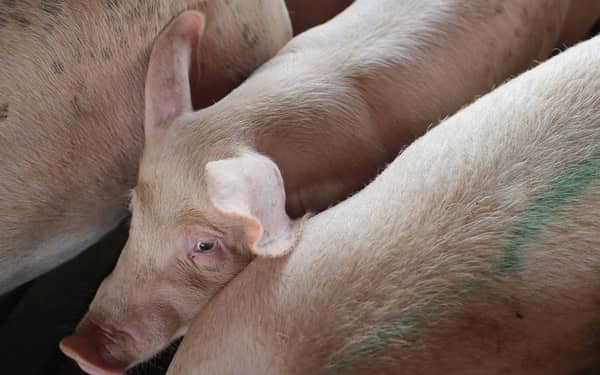
When contaminated, pigs develop a rash and fever and usually die within days.
“They say the sausage is safe for humans but is that really the case? Nobody knows,” Ulan-Ude resident Anastasiya Petryakova told AFP.
Russian authorities last month warned that swine fever was spreading around the world with “terrifying speed” and blamed other countries for not taking adequate measures against infected animals.
Russia has reported nearly 1,400 outbreaks since 2007, most of them among wild pigs in the country’s vast forests.
Governments elsewhere have ordered culls to contain the virus, but orders to kill wild pigs to prevent them from infecting farm animals have met with resistance from activists.
In Poland, a petition against a massive cull which activists said would essentially wipe out a species, drew hundreds of thousands of signatures.
[ad unit=2]