 Follow Us on Google News
 Follow Us on Google Discover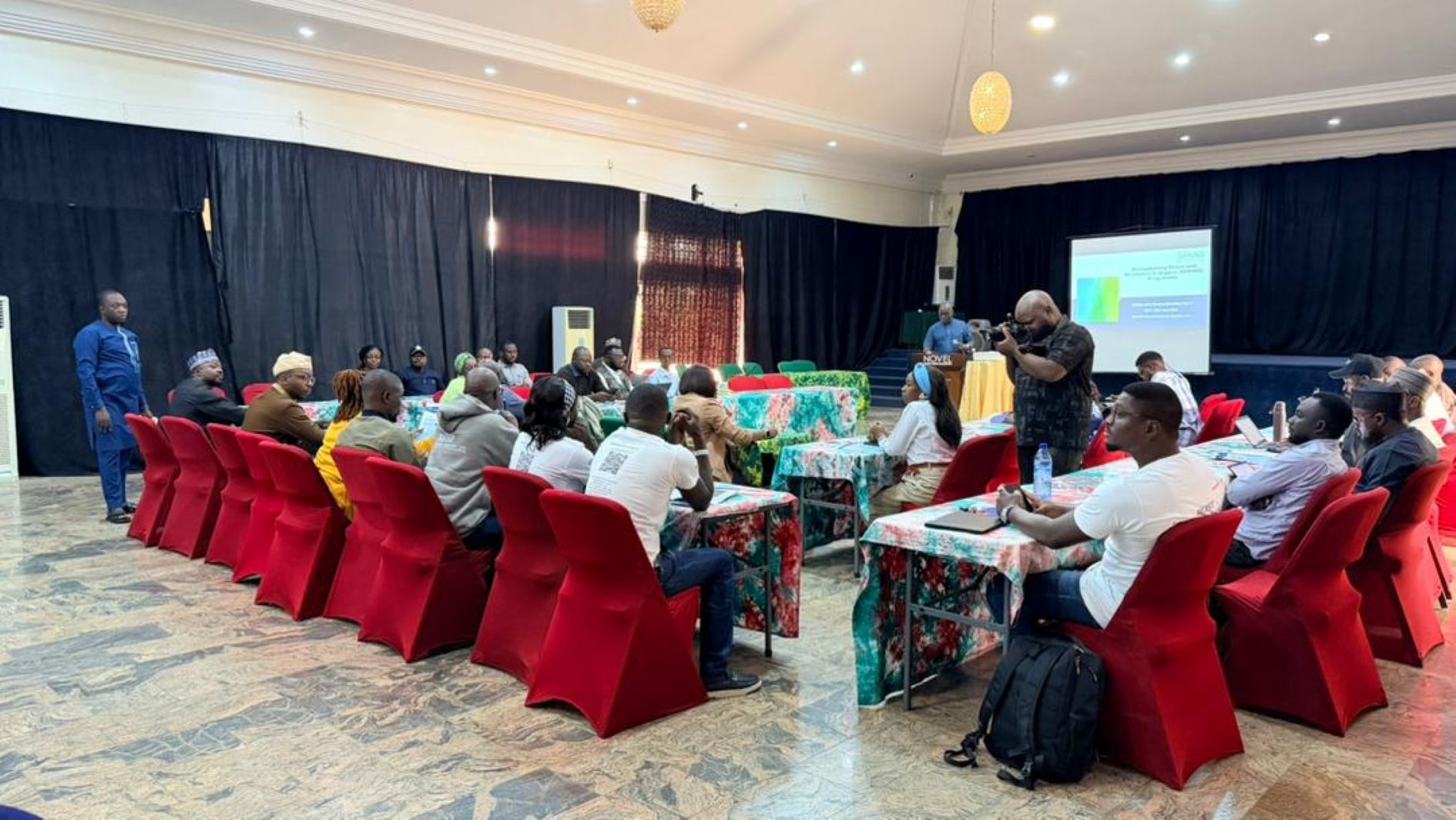
The Strengthening Peace and Resilience in Nigeria (SPRiNG) Programme has commenced a major scale-up of interventions aimed at strengthening peacebuilding, security coordination, gender inclusion, and responses to Sexual and Gender-Based Violence (SGBV) in Plateau State as it enters the third year of implementation.
The move was unveiled during a three-day Co-Creation Workshop convened in Jos by the UK Foreign, Commonwealth and Development Office (FCDO)-funded programme, bringing together government officials, civil society organisations, community leaders, and development partners to shape Year 3 priorities.
The workshop, which ran simultaneously with a similar session in Katsina State, followed earlier engagements in Benue and Kaduna States and marks the completion of strategic planning activities across all SPRiNG Programme states.
Participants reviewed achievements recorded in the programme’s second year and agreed on a new implementation strategy focused on expanding successful interventions, strengthening institutional accountability, and embedding peacebuilding initiatives within existing government structures for sustainability.
Speaking during the workshop, SPRiNG Team Leader, Dr. Ukoha Ukiwo, said the programme was transitioning from piloting new approaches to scaling interventions that have demonstrated measurable impact in communities affected by conflict and insecurity.
According to him, the programme will place greater emphasis on institutional collaboration, inclusive governance, and survivor-centred responses to violence, particularly cases involving women and vulnerable populations.

“As we transition into Year 3, our mandate is clear: we are shifting from experimenting with new models to aggressively scaling proven pilots. Our success depends on deep institutional collaboration and an unwavering commitment to systemic inclusion,” Ukiwo said.
He stressed that all interventions must remain survivor-centred and warned against informal mediation of criminal offences such as Sexual and Gender-Based Violence.
A major focus of the programme’s third year is strengthening peace, security and justice institutions through improved coordination of Early Warning and Early Response mechanisms and the operationalisation of standard operating procedures for community security structures.
The interventions will align closely with the Plateau State Peace Building Agency (PPBA) and target conflict-prone local government areas including Jos North, Jos South, Mangu, Riyom, Barkin Ladi and Wase.
The programme is also seeking to deepen inclusive governance through its Women, Youth, Peace and Security (WYPS) workstream, which aims to increase the participation of women and young people in local security and peacebuilding structures.
Stakeholders at the workshop identified the strengthening of survivor-centred SGBV response systems as a key priority, alongside economic resilience initiatives designed to empower women, youth and other vulnerable groups.
To reinforce inclusion, SPRiNG announced that all future partner-led projects must meet strict gender and disability inclusion benchmarks, including a minimum target of 40 per cent female beneficiaries and at least five per cent women with disabilities.
Programme managers also reaffirmed a zero-tolerance stance toward interventions that fail to address systemic exclusion and gender inequalities.
Beyond security and governance, the programme plans to expand successful climate-smart agriculture and natural resource management initiatives that have helped reduce tensions between farming and pastoral communities.
One of the standout examples highlighted during the workshop was a women-led forage cooperative that reduced farmer-herder friction while producing a milk-based product popularly branded as “Peace Yogurt,” which has emerged as a model for promoting economic inclusion and community cohesion.
Participants further recommended integrating SPRiNG-supported initiatives into existing peacebuilding platforms managed by the Plateau State Peace Building Agency to avoid duplication and ensure sustainability beyond the programme’s lifespan.
The workshop concluded with a commitment to strengthen monitoring, evaluation and learning systems through the adoption of standardised indicators and real-time adaptation tools to measure progress and improve outcomes.
Funded by the FCDO and implemented by Tetra Tech International Development in partnership with Nextier SPD, the Centre for Democracy and Development (CDD), and the Centre for Humanitarian Dialogue (HD), the SPRiNG Programme seeks to strengthen institutional capacity for conflict prevention and response, enhance public confidence in governance institutions, and create stronger incentives for peace across

