UNICEF says 26,000 children imprisoned yearly
Stakeholders, including the National Judicial Council (NJC), United Nations Children’s Fund (UNICEF), and Legal Aid Council of Nigeria, have called for the rehabilitation of young offenders instead of sentencing to serve time in the correctional facilities.
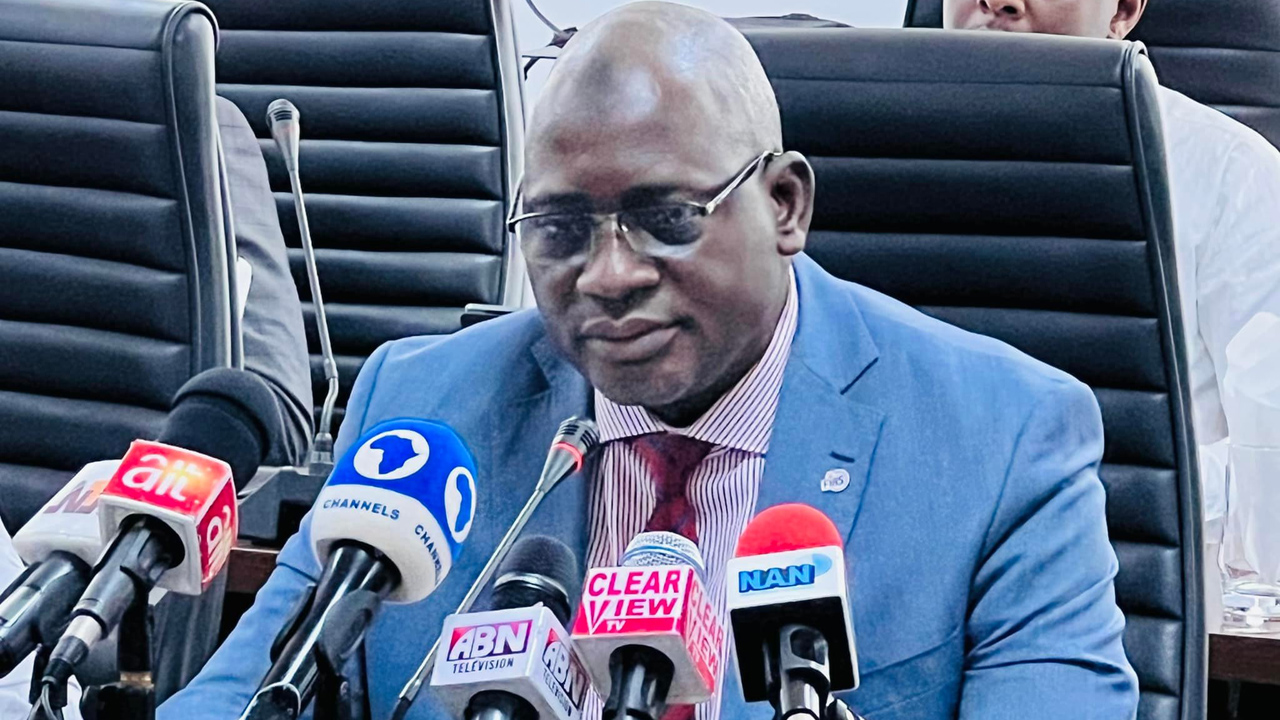
At the second public hearing of the Independent Investigative Panel on the Alleged Corruption, Abuse of Power, Torture, Cruel Inhumane and Degrading Treatment against the Nigerian Correctional Service (NCoS), in Abuja, the stakeholders made an urgent call for implementation of strategies key to the rehabilitation, reformation and reintegration of inmates in the custodial centres, with priority on non-violent juveniles.
UNICEF Representative, Nkiru Maduechesi, submitted that findings by the agency show that the number of children and underage persons in the nation’s prison system was alarming.
She said: “On the average every year, 26, 000 children and young persons (that is persons under the age of 21), are placed in the correctional facility, and 74 per cent of them are on Awaiting Trial.
“We all know that the unique thing about children is that their lives cannot wait, and as they are denied education and health in custody, the lives of these children can’t wait, as they are growing, and if we don’t help them, they would have missed out in life and the opportunity that it presents.”
Maduechesi, therefore recommended a closer work for all stakeholders to adopt swift rehabilitation methods to lift these children, and make them better humans.
Chairperson of the panel and Permanent Secretary of the Federal Ministry of Interior, Dr. Magdalene Ajani, noted the importance of educating inmates.
She said the NCoS is making progress in this regard due to the strong partnership it is able to forge with critical stakeholders such as the National Open University of Nigeria (NOUN), West African Examination Council (WAEC), and Non-Governmental Organisations (NGOs), who have been picking up some of the educational bills.
She urged recruitment of teachers to retool inmates with requisite skills and knowledge.
Secretary of the panel and founder of Prisoners Rehabilitation and Welfare Action (PRAWA), Dr Uju Agomoh, explained that the two thematic areas of discussion namely issues of vulnerable persons in detention, and others that deal with women, the mentally ill, and those with disability in custodial centres.
She stressed the need to “Implement Sections 33 and 34 of the Nigerian Correctional Service Act, as well as the provisions that are found under Sections 13 and 14 of the Nigerian Correctional Service Act as it relates to the subject matter.”
Representative of the Acting Controller-General of the Nigerian Correctional Service NCoS, Ibrahim Idris, expressed the agency’s openness to observations, and partnership with relevant stakeholders to implement provisions of the NCoS Act 2019.