 Follow Us on Google News


 Follow Us on Google Discover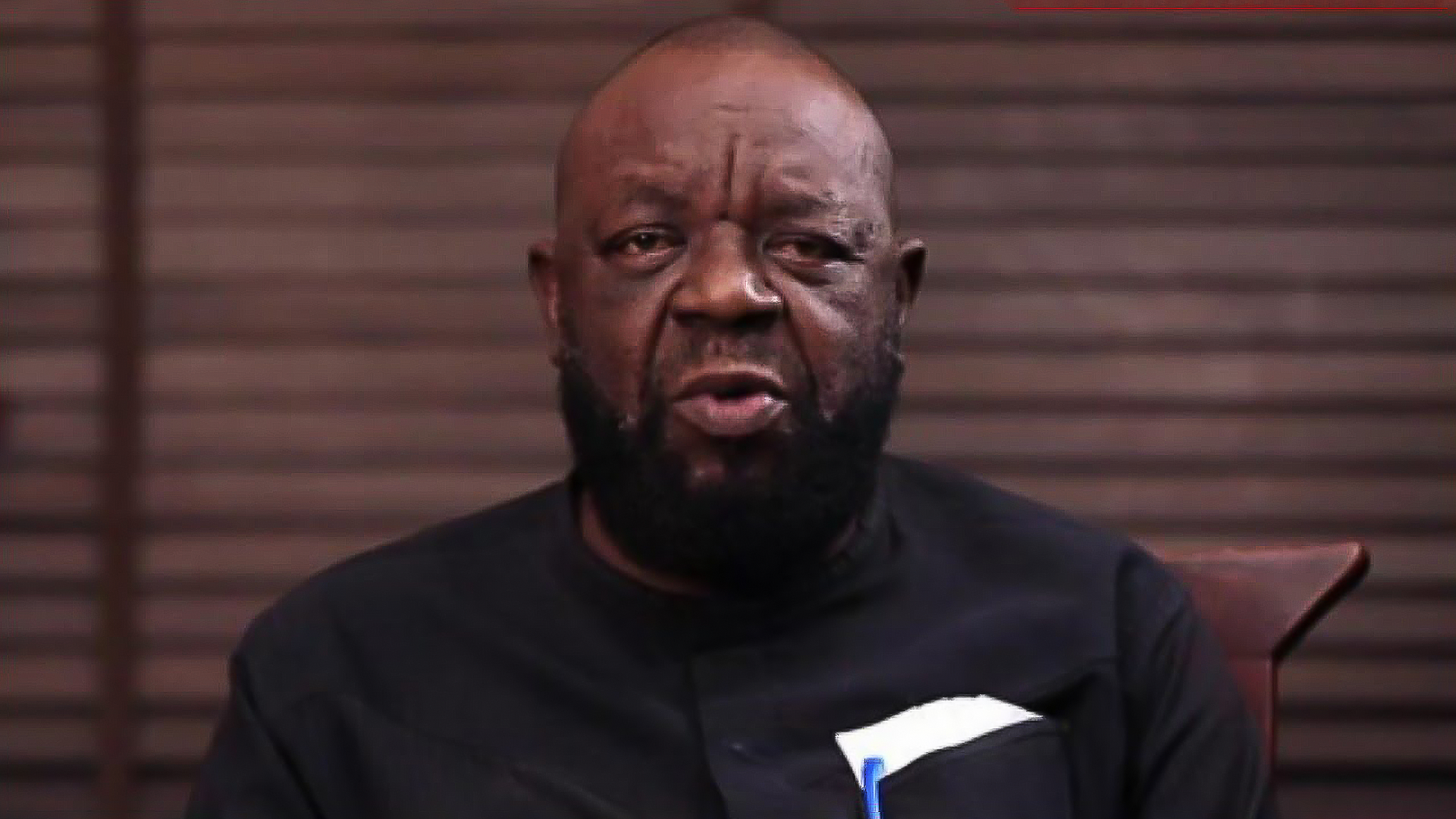
Lawyer Aloy Ejimakor has said that the Supreme Court judgment delivered on Thursday concerning the leadership crisis rocking the African Democratic Congress (ADC) is not yet a win for the party.
According to him, the judgment only provided a narrow relief on one specific procedural issue but leaves the core disputes unresolved, even leaving open the door to continued litigation.
He said what the Supreme Court actually and specifically decided was to set aside the Court of Appeal’s “status quo ante bellum” order that had directed the Independent National Electoral Commission (INEC) to maintain the pre-crisis leadership position.
He said the judgment means that INEC’s earlier removal of Senator David Mark (as National Chairman) and other officials (e.g., National Secretary Rauf Aregbesola) from its portal—based on the now-voided status quo order—is invalidated. He said the David Mark-led faction’s leadership is therefore restored but only on an interim basis.
He stated that the court did not decide who the authentic national leadership of the ADC is because it ordered the parties back to the Federal High Court for an accelerated hearing of the originating suit on its merits (the full trial of the leadership tussle between the Mark-led caretaker committee faction and the faction loyal to figures such as Nafiu Bala Gombe).
He described the ruling is procedural and interim, adding that it temporarily removes a major roadblock that had paralysed the Mark faction, “but it does not grant the ADC a clean bill of legal health.”

Ejimakor then listed key examples of ongoing or foreseeable legal vulnerabilities that the judgment did not touch:
He said, “The substantive leadership dispute remains alive and pending at the Federal High Court: The original suit (filed by aggrieved members challenging the validity of the caretaker committee, the national convention, and related decisions) must now be heard fully. Whichever side loses at the High Court can still appeal up to the Court of Appeal/Supreme Court again. Until that chain of litigation ends with finality, INEC and the courts can continue to treat the party’s leadership as contested. This directly affects the party’s ability to sponsor candidates, hold congresses, or be fully recognised for the 2027 elections.
“A separate Federal High Court restraining order on congresses (delivered just on April 29, 2026) by Justice Abdulmalik, restrained INEC from recognising or participating in any state congresses organised by the disputed caretaker (Mark-led) committee. She also barred Mark and his team from interfering with the tenure of elected state executives and ruled that only those elected state structures can lawfully organise congresses. This order stands independently of yesterday’s Supreme Court ruling and creates fresh operational hurdles even after the status quo order was lifted.
“INEC recognition and electoral participation risks: INEC had earlier de-recognised the Mark faction precisely because of the now-voided status quo order. While yesterday’s judgment restores the faction’s names to INEC portal, the Commission’s final recognition for 2027 ballot access still depends on the outcome of the remitted High Court trial and compliance with the party’s constitution and the Electoral Act. Any further delay or adverse ruling could still lead to exclusion.
“Broader deregistration threats and other potential suits: Only days ago, some ex-lawmakers filed processes seeking a court order to compel INEC to deregister ADC on grounds of alleged failure to meet statutory requirements. This suit remains a live threat ADC’s 2027 ambitions.
“Nigeria’s well-known pattern of layered political-party litigation: Nigerian political parties frequently face multiple, overlapping suits (factional leadership, congress validity, candidate nomination, INEC de-listing, etc.). The PDP’s own leadership battles over the years illustrate how a Supreme Court “win” on one narrow issue often leaves other fronts open for fresh or continued litigation. The ADC is now in exactly that position.”
The lawyer stated that until the Federal High Court (and any subsequent appeals) finally determines the authentic leadership and the party complies fully with electoral laws, the ADC remains entangled in legal uncertainty. “The party is freer to operate today than it was yesterday but myriad legal minefields remain,” he said.

