 Follow Us on Google News


 Follow Us on Google Discover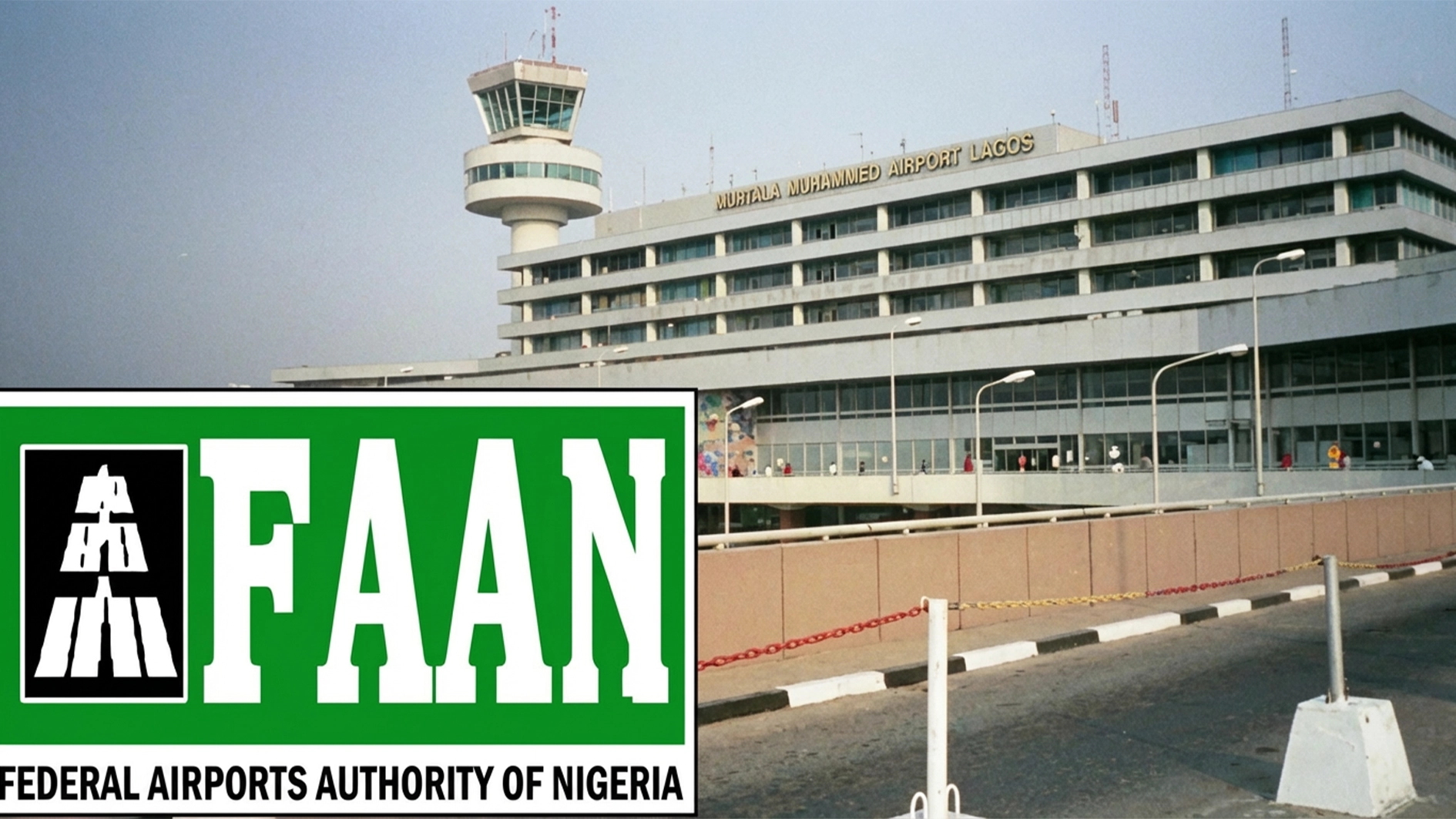
• Ministry source assures citizens
• FG moves to boost tourism, check human trafficking
Sequel to fresh intelligence about planned terrorist attacks targeting key infrastructure in Nigeria, including the nation’s airports, security experts have raised the alarm over the vulnerability of the country’s aviation facilities.
This is as a source close to the Federal Airports Authority of Nigeria (FAAN) said that the agency was working round the clock to plug the loopholes in the system, but declined to speak further on critical steps taken.
Speaking with The Guardian, a retired aviation security expert, John Ojikutu, warned that critical gaps, particularly in perimeter and security fencing, persist across major airports in the country.
Ojikutu explained that airport security operates on six fundamental levels – intelligence sharing, passenger pre-screening, check-in and baggage screening, access control, passenger checkpoint screening and boarding gate screening.
According to him, failure at any of these levels, especially intelligence, could allow threats to slip through and escalate into national disasters.
He maintained that there was a difference between basic perimeter fencing and internationally compliant security fencing.

Ojikutu referenced standards set by the International Civil Aviation Organisation (ICAO), noting that while many Nigerian airports had perimeter fences, they often fell short of the enhanced security fencing requirements outlined in ICAO’s Annex 17 and Document 8973.
He also pointed to structural risks identified in more recent ICAO assessments, particularly at Lagos airport, where the layout of facilities along one axis posed additional threats.
Meanwhile, a source close to the Ministry of Aviation and Aerospace Development said the government was taking critical steps to mitigate the risks.
According to the source, airport authorities, including the Federal Airports Authority of Nigeria (FAAN), are working closely with security agencies, sharing intelligence and implementing precautionary steps to safeguard critical infrastructure.
The source also disclosed that perimeter fencing projects were underway in at least four major airports in the country under the government’s Renewed Hope Initiative projects.
Also, an aviation expert, Charles Amokwu, said that the country had been lucky with security in the aviation sector over the years.
Amokwu mentioned last month’s bandits’ invasion at Akure Airport, saying that more needed to be done to keep the airports safe.
Meanwhile, the Federal Government has emphasised the need for stronger private sector participation in Nigeria’s tourism industry as part of efforts to diversify the economy and reposition its global image.
It also challenged travel agencies to play a key role in tackling human trafficking, which has been on the increase in recent times.
The Minister of Art, Culture, Tourism and the Creative Economy, Hannatu Musa Musawa, made the call over the weekend in Ibadan, the Oyo State capital, during the 50th anniversary and Annual General Meeting (AGM) of the National Association of Nigerian Travel Agencies (NANTA).
Musawa, in her speech, insisted government alone could not drive sustainable development in tourism, stressing that long-term growth depended on strategic partnerships with the private sector.
She commended NANTA members for serving as unofficial ambassadors of Nigeria globally, often without government support and urged the association to scale up its influence internationally.
She also commended the creation of the association’s professional training institute, describing it as critical to building industry capacity and raising standards.
Also, the Director General of the Nigerians in Diaspora Commission (NiDCOM), Abike Dabiri-Erewa, in her presentation, urged travel agencies to play a leading role in combating human trafficking.
Dabiri-Erewa raised concerns over increasing cases of Nigerians trafficked abroad using legitimate travel arrangements, noting that many victims were moved with valid flight tickets.

