 Follow Us on Google News
 Follow Us on Google Discover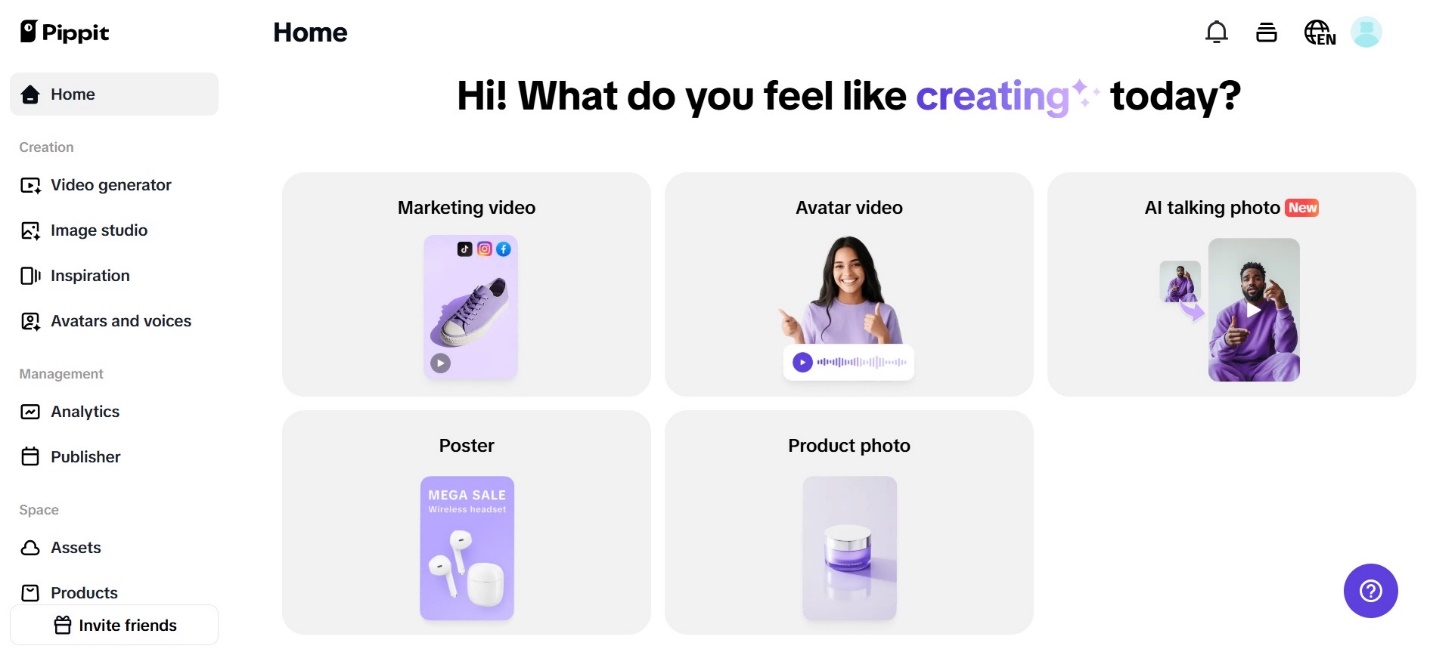
Let’s be honest—your audience didn’t log on to Instagram hoping to see another cinematic product montage. They came for memes. For chaos. For that one video of a raccoon stealing snacks with the caption, “Me after a long week.” And yet, tucked behind every chuckle is a real chance to sell something.
Welcome to the new ad funnel, where memes aren’t just throwaway content—they’re the bait that gets you into hearts, feeds, and carts. Thanks to platforms like Pippit, a free AI video generator, anyone can make relatable, viral-style ads using a smart tool that understands both culture and conversions. And the best part? You don’t need a film crew—just a funny idea and the will to post it.
Why the funnel’s funnier at the top
We used to think of ads as serious business. Now, they’re punchlines with purpose. The top of the funnel (TOFU, if you’re fancy) is no longer about glossy lifestyle videos. It’s about stopping the scroll with something ridiculous, relevant, or emotionally spot-on. Meme ads thrive here because they do three things really well:
- Grab attention without screaming “BUY ME.”
Humor builds curiosity, not resistance. A meme doesn’t feel like an ad—it feels like a joke between friends.
- Make brands look human
When your product is the punchline or the setup, your audience sees you as part of the culture, not above it.
- Prime emotional memory
Laughter is sticky. People remember how you made them feel, long before they remember your logo.
Relatability > perfection
You’ve seen them. The low-res product memes. The poorly cut reaction clips. The text-heavy slideshows with pixelated fonts. And yet—they get shares, saves, and yes, sales.
Why? Because in an age of overproduction, imperfection feels real. Your audience doesn’t want to be sold to—they want to be seen.
Let’s break it down:
Relatable humour sells
- It mirrors daily frustrations, joys, and habits (e.g, “Me after one online order: becomes a fashion influencer“).
- It transforms ordinary product moments into hilarious life truths (e.g, showing a messy bun and captioning a serum: “hope in a bottle”).
- It makes you like the brand. People buy from people they like—even if that “person” is a brand with a sense of humor.
Meme ads that work: formats to remix right now
If you’re ready to jump into the meme game but don’t know where to start, try these formats that consistently crush it online, especially for Reels, TikTok, and Stories.
Meme template videos
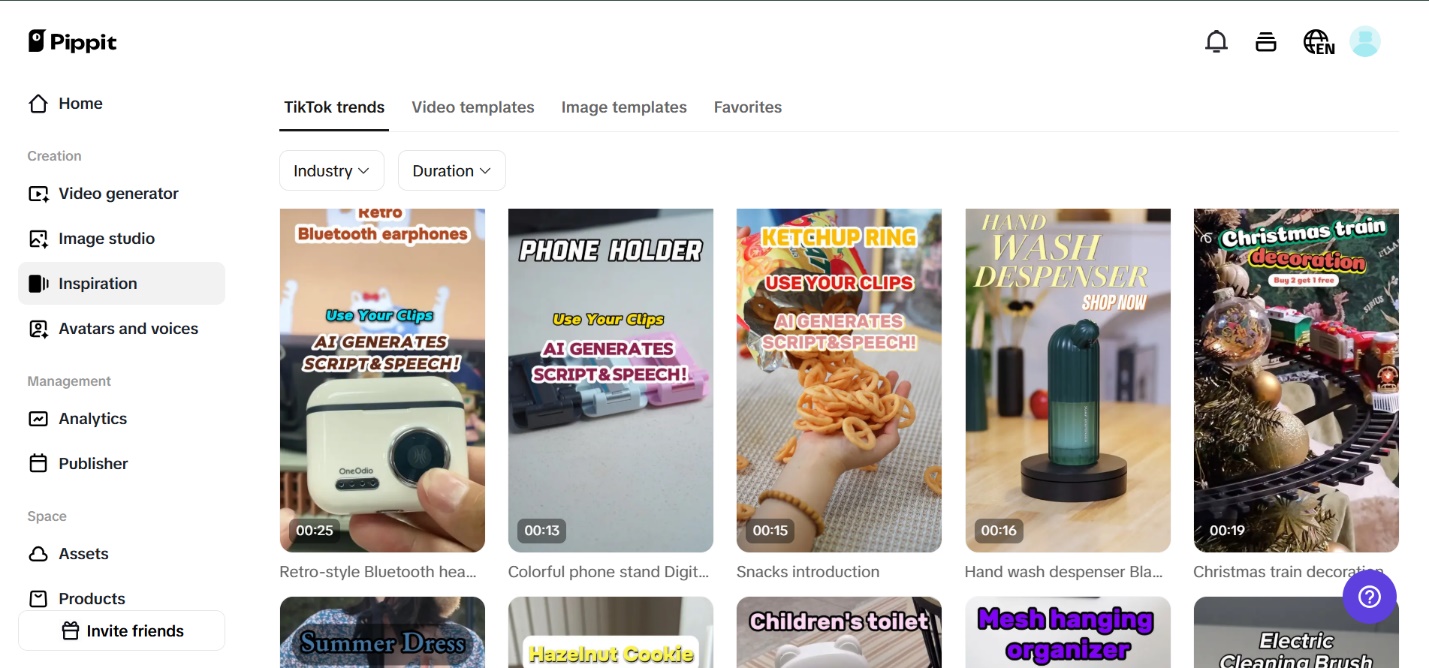
- Use popular memes as formats (like the “He’s a 10 but…” or “Nobody: Absolutely nobody: Your product“).
- These are perfect for quick brand intros or product quirks.
Text-over-reaction formats
- Pair a viral reaction clip with your customer’s imagined experience.
- “When I realize the serum is working,” over a dramatic soap opera gasp.
Slideshow carousels
- 3-5 slides of escalating humor.
- Build toward a punchline with your product subtly woven in.
Stitch-ready content
- Leave space for creators to add their commentary.
- Think of it as a joke setup that others want to finish.
How to make memes that convert without looking like you’re trying
You don’t need to be a comedy writer to make meme content that works. You just need to speak your audience’s language. And no, that doesn’t mean chasing every trend—it means remixing trends in ways that make sense for your brand.
Here’s how to do it well:
Use lo-fi visuals intentionally
- No need for polish. Meme ads often work better when they look like your audience’s own content.
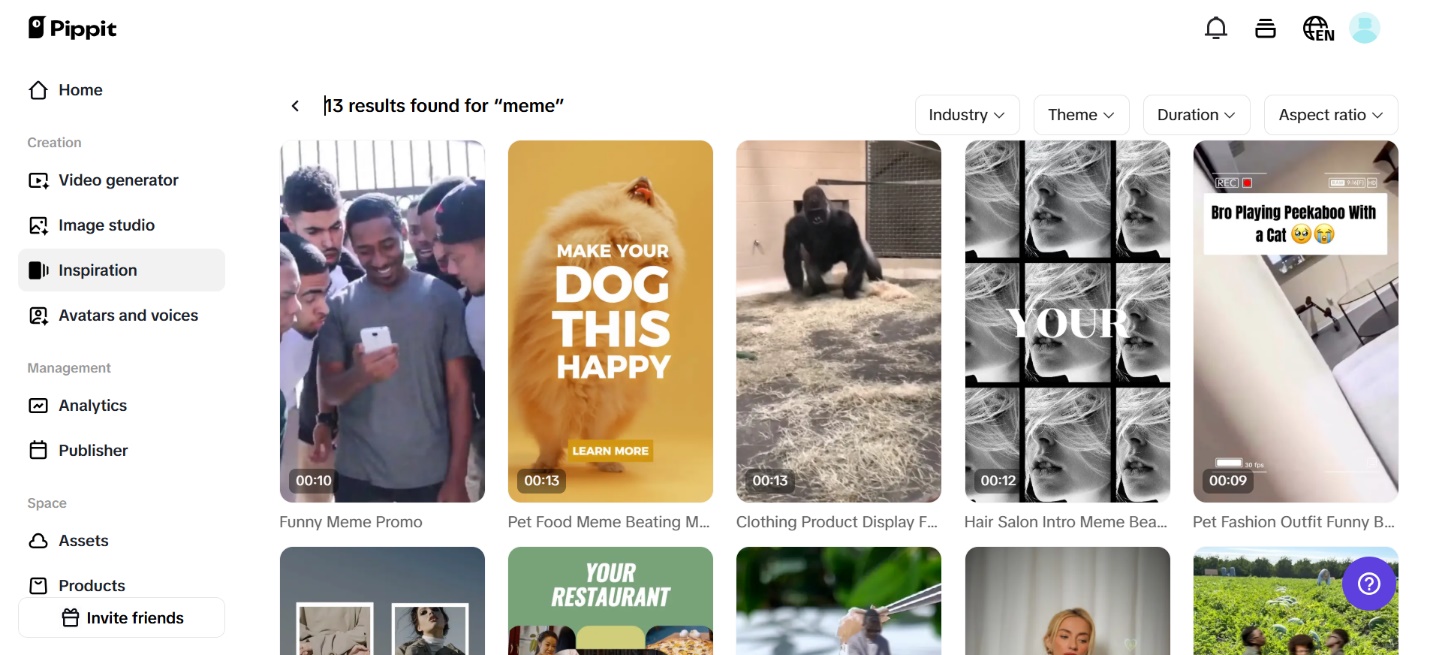
- Use the Pippit video editor to add grain, remove backgrounds, or layer captions without losing the DIY feel.
Talk like your audience talks
- Ditch jargon. Speak TikTok, Gen Z sarcasm, or wherever your people live.
- Bonus: auto-subtitle tools in Pippit help you keep up with rapid edits.
Center the emotional truth
- A good meme starts with “Ugh, same.” What’s the struggle your product solves?
- Frame it with an emotional exaggeration, then casually insert the product as the fix.
Memes aren’t lazy—they’re layered
Some brands still scoff at meme ads. “It’s too casual,” they say. But memes aren’t lazy marketing. They’re precise, multi-layered culture plays. The best meme ads tell the same story as a traditional commercial, just in 5 seconds, with a SpongeBob face and perfect timing.
Take this formula, for example:
- Problem: Your hair looks like a science experiment.
- Reaction: Insert panic GIF.
- Solution: Drop your product name in Comic Sans.
- CTA: “Fix it before it fixes itself.“
That’s storytelling. That’s comedy. And that, my friend, is a funnel in disguise.
When “lol” meets ROI: Decoding the Psychology of Meme Engagement
Humour isn’t just entertainment—it’s an emotional hook that short-circuits ad fatigue. A meme-style video ad maker like Pippit delivers a dopamine hit before it delivers a product pitch, which makes the viewer more receptive, not resistant. It’s comedy as a gateway drug to commerce.
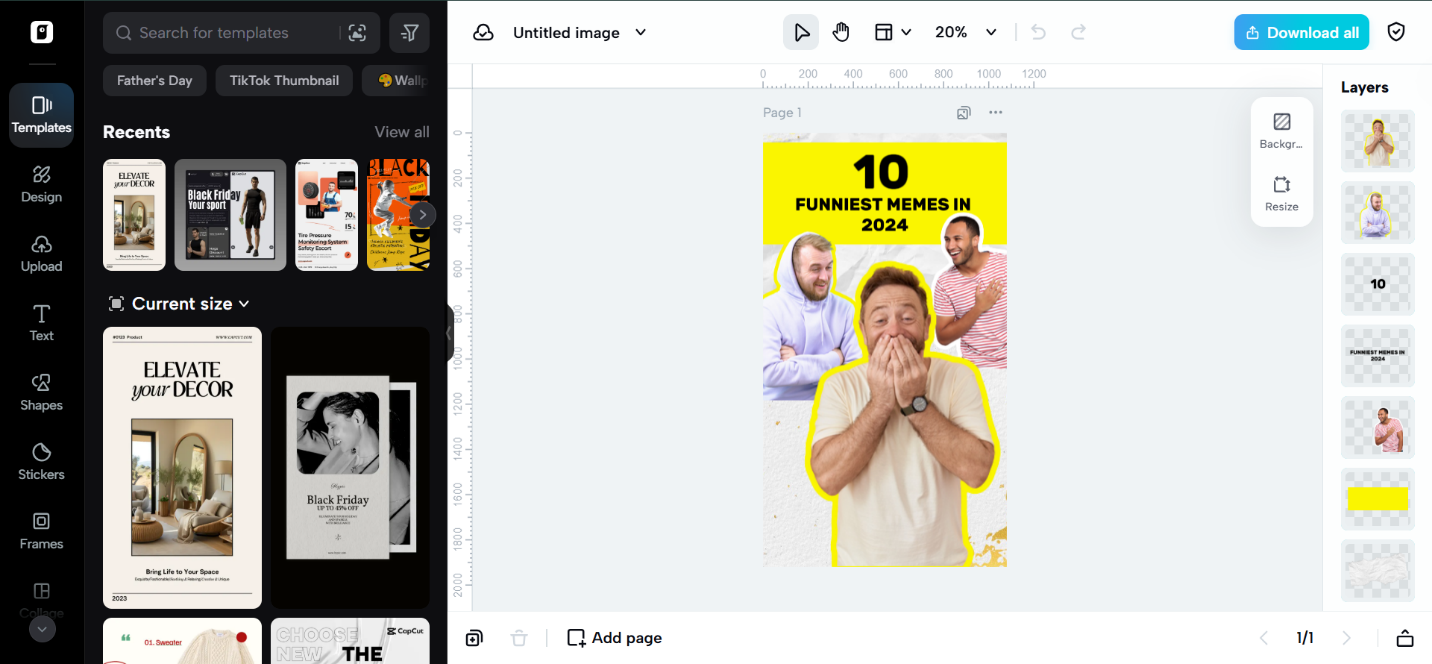
Here’s why meme ads work so well from a psychological standpoint:
- They disarm scepticism: Humor lowers the audience’s defenses by presenting the ad as entertainment first.
- They create shared identity: When someone laughs at a meme, they’re joining a cultural in-joke, and the brand becomes part of that bond.
- They invite participation: People share memes because they say something about them, which means your ad can spread peer-to-peer without paid amplification.
Even a six-second meme can create micro-trust and remind audiences: “This brand gets me.”
From “relatable” to revenue: what to meme about (and what to skip)
Not all memes are made equal, and not every trend deserves your brand’s logo slapped on top. To keep your meme funnel effective, your content needs to feel native to your audience, not forced.
Do meme your way if
- You know your audience’s humor style (dry, absurd, chaotic, wholesome).
- You can tie the joke directly to a product pain point or solution.
- You’re staying on-brand even while being offbeat.
Don’t meme it if
- You’re late to the trend (nothing’s worse than a stale meme).
- It contradicts your brand’s tone or values (no edgy-for-edgys-sake).
- You’re just copying another creator’s viral hit without a twist.
When in doubt, ask: Would someone laugh, tag a friend, and still remember my product? If yes, post it. If not, it belongs in your drafts.
Punchlines that pay off: meme your way to performance
Meme-style advertising isn’t a gimmick—it’s a gateway. When done right, humour opens the scroll, wins attention, and earns brand recall faster than even the most polished campaign. It’s not about chasing laughs for vanity metrics. It’s about showing your audience that your brand speaks their language fluently, fearlessly, and with a wink.
The best part? You don’t need to spend hours in an editing suite to get there. With tools like Pippit, you can plug your punchlines into an ad maker that’s optimised for short-form performance. Add your voiceover, drop your captions, layer your meme-style visuals, and turn humour into high-velocity sales content—all before your coffee gets cold.
Try Pippit’s ad maker now and start building a meme funnel that converts. Your next viral joke might just be your biggest revenue stream.

