 Follow Us on Google News


 Follow Us on Google Discover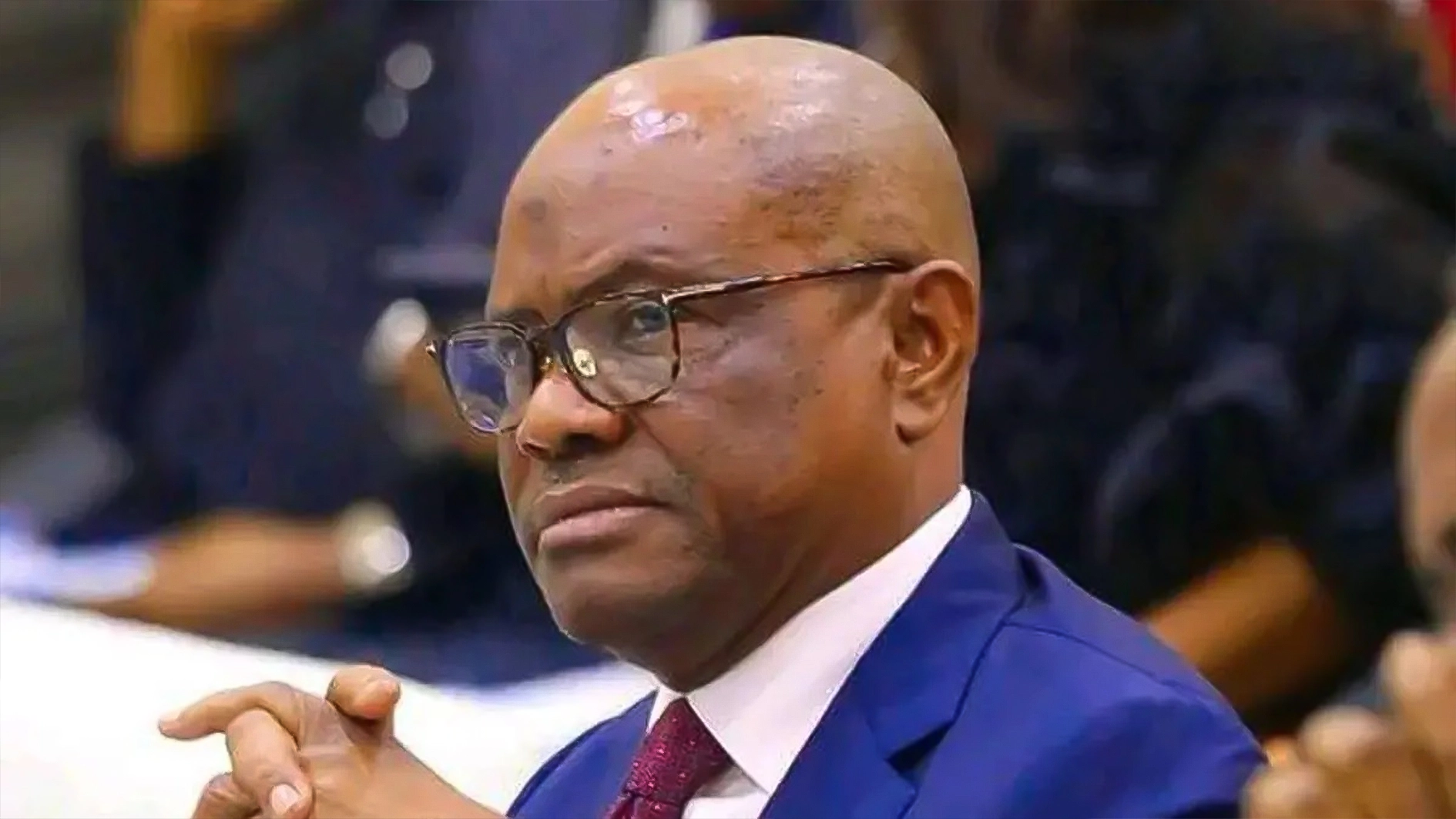
President Bola Tinubu on Wednesday commended the Minister of the Federal Capital Territory (FCT), Nyesom Wike, for extending infrastructure development to Abuja’s satellite towns, saying governance must benefit all residents and not only those living in the city centre.
Tinubu, who spoke through Vice President Kashim Shettima during the commissioning of Phase One of the Kuje-Gwagwalada Dual Carriageway, said the project reflects the commitment of his administration’s Renewed Hope Agenda to inclusive development and grassroots transformation.
The President noted that for decades, communities in Kuje, Gwagwalada, Kwali and other satellite towns suffered from poor road infrastructure, insecurity and limited economic opportunities, but expressed satisfaction that the narrative was changing through targeted interventions by the FCT Administration.
“I gave you an instruction when I appointed you: make Abuja work for all Nigerians, not just for those in Maitama and Asokoro,” Tinubu said in his remarks directed at Wike.
“You have taken Renewed Hope to the grassroots. From judicial quarters in Katampe to roads in Kuje and Gwagwalada, you are proving that development must not be selective. You heard the cries of satellite communities and you responded. That is leadership. Well done, Honourable Minister.”
Describing the newly completed seven-kilometre dual carriageway as more than just a road project, the President said the infrastructure would improve security, facilitate commerce and enhance the quality of life for residents of the area.

According to him, the road, fitted with solar-powered streetlights, pedestrian walkways and drainage facilities, serves as a strategic economic corridor linking Abuja to three area councils while providing an important route to Southern Nigeria.
“The significance of the Kuje-Gwagwalada dual carriageway is both economic and geographical. For decades, this road was a death trap. Traders from Kuje, Gwagwalada, Kwali and beyond lost time, goods and sometimes lives while plying this road.
“Criminals thrived in the darkness. Students wasted hours in traffic, while farmers struggled to move their produce to market. But that story ends today,” he said.
Tinubu added that the project would unlock the agricultural potential of the area, open up new residential districts and make movement safer for residents.
Addressing residents of Kuje, Gwagwalada and other satellite communities, the President assured them that they remained a priority of the Federal Government.
“My people of Kuje, Gwagwalada, Kwali and all the area councils, hear me clearly: this government sees you. You are not forgotten. For too long, Abuja’s development stopped at the city centre. Under the Renewed Hope Agenda, every area council matters and every community counts,” he said.
Earlier, Wike disclosed that the road project emerged directly from consultations with traditional rulers, community leaders, women and youth groups across the six area councils shortly after he assumed office in August 2023.
According to the minister, the administration deliberately departed from the practice of deciding projects from offices in Abuja without consulting intended beneficiaries.
He recalled that during one of the stakeholder engagements in Kuje, the traditional ruler identified poor road infrastructure as a major contributor to insecurity and economic hardship in the area.
Wike said the first request was for the completion of the abandoned road linking the Airport Expressway to Kuje town, a project that had stalled before the current administration intervened.
He explained that after fulfilling that promise, community leaders requested the dualisation of another road within Kuje, which was also delivered.
The minister added that a subsequent appeal by residents for the rehabilitation of the Kuje-Gwagwalada road prompted him to personally inspect the route before recommending it for approval.
“It took us about two hours to travel from Gwagwalada to Kuje. I asked, are we in America? This is within the FCT and we are spending two hours on the road. It was horrible. To say it was bad would be an understatement because there was practically no road,” Wike said.
He noted, however, that the inspection revealed the immense agricultural potential of communities along the corridor and strengthened the case for immediate intervention.
The minister said the Federal Executive Council subsequently approved the contract in early 2025 and expressed confidence that the second phase of the project would be completed before the end of the year.
According to him, the completion of the entire carriageway would significantly reduce travel time, boost commercial activities and strengthen social and economic ties between Kuje and Gwagwalada.
“What this means is that people from Gwagwalada and Kuje can now move freely and do business with each other. That is what governance is all about. The people can now see that the Renewed Hope Agenda is not just a slogan but a reality,” he said.
Wike also urged residents to continue supporting government programmes and safeguard public infrastructure, stressing that the administration remained committed to addressing development challenges across the territory.
The commissioning formed part of the series of projects being inaugurated by the Tinubu administration to mark its third year in office, with several roads, housing and public utility projects completed across the Federal Capital Territory.

