 Follow Us on Google News


 Follow Us on Google Discover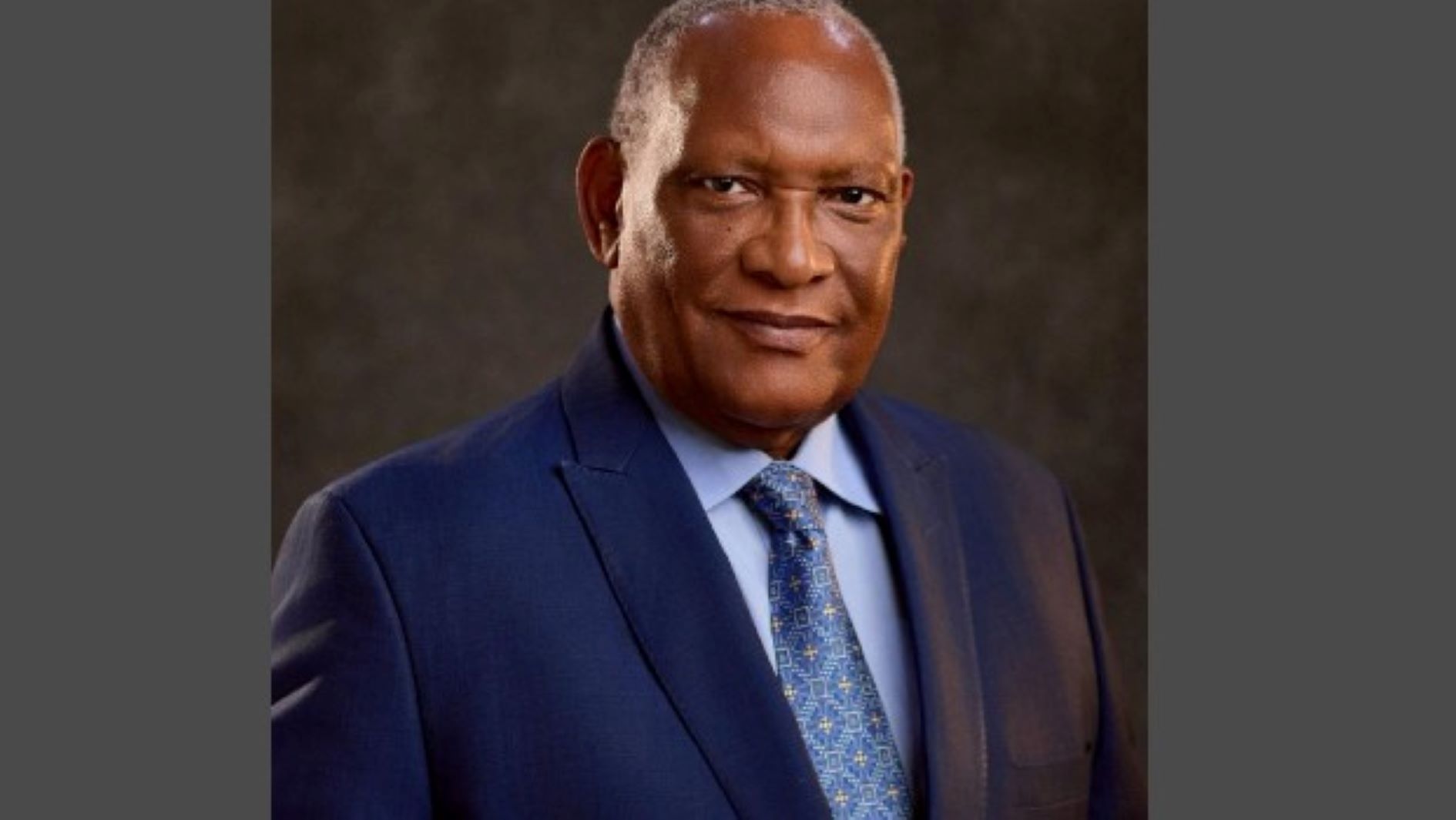
Sack sparks concerns over regulatory stability
President Bola Tinubu has approved the removal of the Chief Executive of the Nigerian Midstream and Downstream Petroleum Regulatory Authority (NMDPRA), Saidu Mohammed, citing public interest, and nominated Rabiu Umar to replace him.
Umar’s nomination is subject to confirmation by the Senate.
However, concerns are mounting over Tinubu’s frequent changes in the oil and gas sector, especially the decision to remove Mohammed.
The Presidency, in a statement issued by the Special Adviser on Information and Strategy, Bayo Onanuga, yesterday, noted that the decision was taken in line with ongoing efforts to strengthen regulatory effectiveness in Nigeria’s midstream and downstream petroleum sector, a critical segment of the country’s energy value chain.
It added that the move was pursuant to the Petroleum Industry Act (PIA) 2021, which provides the legal framework for the governance and administration of the petroleum industry.
Umar holds a degree in Accounting from Bayero University Kano (BUK) and is an alumnus of Harvard Business School.
MOHAMMED’S removal comes barely five months after his appointment, as industry stakeholders warn of implications for regulatory stability and investor confidence.

The NMDPRA, established under the PIA, is responsible for the technical and commercial regulation of Nigeria’s midstream and downstream petroleum operations, including gas processing, transportation, fuel distribution and retail, the Presidency noted.
Onanuga described the leadership change as part of a broader reset aimed at improving efficiency, deepening transparency and boosting investor confidence in the oil and gas sector.
However, concerns raised by some stakeholders suggest that such abrupt leadership turnover in a technically sensitive regulatory agency could send negative signals to the market, particularly in a sector where regulatory credibility and policy consistency are critical.
Professor Emeritus of Petroleum Economics, WumiIledare, stated that “at face value, this kind of abrupt leadership turnover in a technically sensitive regulatory agency like NMDPRA is not just a personnel issue, it is a signal to the market.”
He noted that markets in the downstream petroleum sector were highly sensitive to regulatory credibility and policy consistency.
Explaining that the PIA was designed to institutionalise stability, transparency and regulatory independence, he warned that “frequent changes at the top, particularly within very short tenures, risk undermining those very objectives,” as it could introduce regulatory uncertainty, weaken investor confidence and delay critical reforms.
From an economic standpoint, Iledare added that Nigeria’s downstream segment was already in a delicate transition from subsidy distortions towards a more market-reflective pricing regime, stressing that what the transition requires is “not just good policy, but predictable governance.”
On the nomination of Umar, whose most recent role was Group Sales and Marketing Director at Dangote Cement, Iledare pointed to potential perception challenges, noting that appointing someone from a major industrial player “introduces a perception issue,” particularly around regulatory independence and possible conflict of interest.
Umar, according to the Presidency, is a seasoned executive with over 25 years of experience across the energy, manufacturing and infrastructure sectors, with a track record in strategic leadership, operational transformation and large-scale project delivery.
Providing a different perspective, industry stakeholder, Jide Pratt, said the appointment could strengthen the authority’s operational balance, noting that “the former ACE was a gas person but Rabiu is a downstream person.”
Pratt explained that Umar’s career trajectory from Oando to Lafarge Africa, Ashaka Cement and Dangote Group positions him with strong downstream expertise, adding that “the combination of this appointment and the board Chairman should help”, although he noted that “the PIA sadly isn’t at the forefront as it should be.”

