 Follow Us on Google News


 Follow Us on Google Discover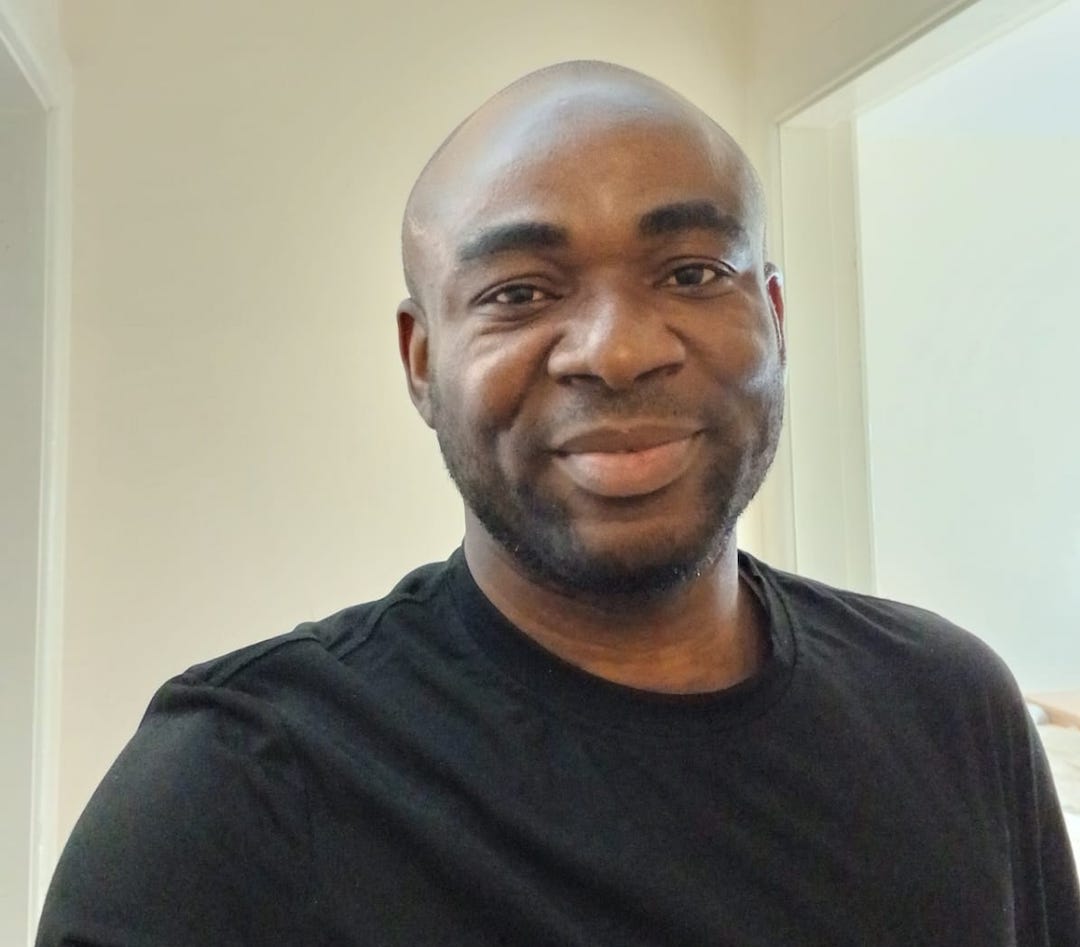
A Nigerian proverb that says, “If you want to lie, you need more lies to package the first” shows Nigeria’s reality. For years, Nigerians have grown accustomed to a system built on borrowing, living a life of “borrow pose”, suffering, and smiling. This cycle of dependence has stifled Nigeria’s growth, limiting the country’s position on the global stage.
[ad]
Since Tinubu took office, Nigeria’s reserve has increased from a whopping $33 billion he met in office to $40 billion. This growth is followed by a significant reduction in debt servicing from 97% to 65%, marking the first drop since late President Umar Musa Yar’Adua’s regime. The president also declared paying the inherited forex backlog of $7 billion and cleared the ways and means of over N30 trillion. The 21% increase in the foreign reserve portrays how effective the new policies implemented by President Bola Tinubu are in promoting a healthier and self-reliant economy. This feat, without doubt, is worth celebrating, especially in Nigeria’s current fiscal constraints. This reduction of debt servicing from 97% to 65% signifies a shift for a country that relies heavily on debt for government functions. This decrease reflects improved revenue management and indicates a move toward a more sustainable fiscal structure.
Understanding that Nigeria’s economic hardship is not limited to financial but cultural constraints. Nigerians have grown accustomed to government-subsidized services. Subsidies while seemingly beneficial only provide temporary relief why they delay crucial reforms, leading to a culture of dependency. No developed country offers citizens a free ride, as Nigerians often observe in the diaspora. From taxes on wages to charges on waste disposal, citizens contribute to the functioning of their societies. These sacrifices lead to better infrastructure, stronger institutions, and a higher quality of life. As former Nigerian president, Olusegun Obasanjo, once pointed out, “No nation can prosper while freeloading on borrowed time.” As Nigerians, there is a need to realize that progress requires collective contributions, not mere expectations.
[ad]
A complete overhaul of the system is needed. Implementing new reforms and policies is important in Nigeria’s growth due to their impact on the external revenue reserve increase. While these reforms may seem harsh in the beginning, data from developing and developed economies indicate that growth requires disciplined and often uncomfortable changes. Singapore’s transformation from a poor nation in the 1960s to an economic powerhouse today required strict policies and high taxes, which were unpopular but essential for growth. The same could be said for South Korea, whose rapid growth in the 1980s involved a period of sacrifice, where citizens contributed to government funds and adjusted to a higher cost of living in return for better infrastructure and economic opportunities.
Applying these lessons in Nigeria is nearly impossible because, it has become clear that the discomfort associated with reform is not welcome by us, even when it is part of the journey to sustainable growth. Ngozi Okonjo-Iweala once said, “Nigeria needs to implement reforms that may be initially unpopular but are crucial for long-term growth.” Understanding that irregular and unpopular processes are needed for Nigeria’s growth will assist us in appreciating the government’s efforts, even when they initially come with hardships.
True growth does not happen overnight. Much like a building undergoing renovation, Nigeria’s economic overhaul will take time, and the process will initially look chaotic or incomplete. It is necessary to build a foundation that can support future prosperity. President Tinubu’s government may not be perfect, but the reduction in debt servicing and external revenue growth shows a long-term vision worth acknowledging.
[ad]
For Nigerians, moving forward means shedding the habit of clinging to temporary solutions and instead embracing a realistic approach to governance. This doesn’t mean ignoring mistakes committed by the government, but understanding that complex problems require time to solve. We must learn to assess government efforts critically and recognize progress where it exists. As Nigeria’s revenue rises and debt servicing drops, we should applaud President Tinubu’s effort to ensure Nigeria is no longer a borrow-reliant country. It is important to shift our perspective – from expecting free services– we might finally dismantle the culture of ‘packaging’ and move toward true, sustainable growth.
Maxwell Adeyemi Adeleye is the Chief Executive Officer of The Elite Creative Solutions, a property sourcing, cargo & logistics, public relations and integrated marketing company in Nigeria and the United Kingdom. @maxwell_adeleye on X.
[ad]

