 Follow Us on Google News


 Follow Us on Google Discover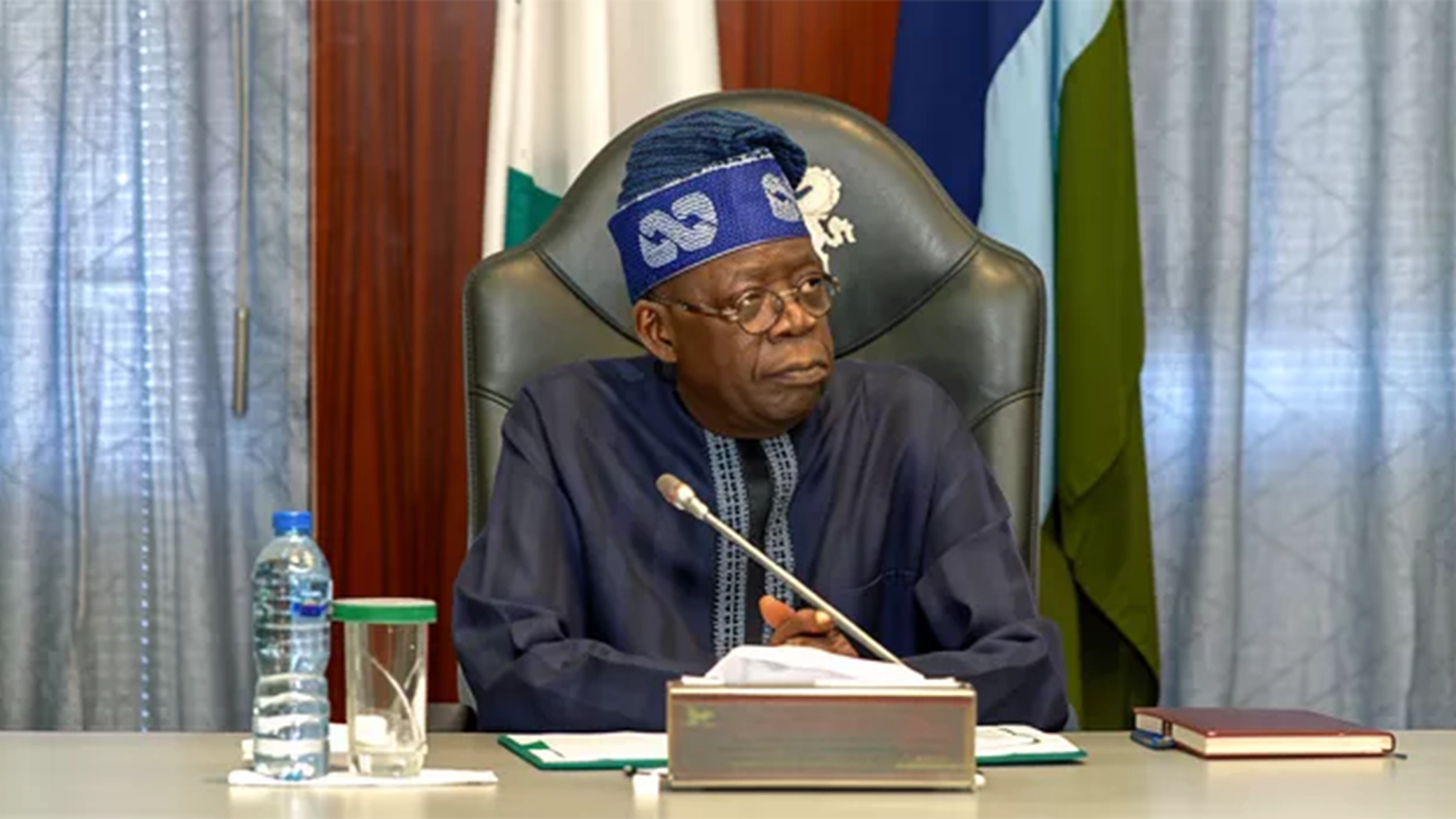
The Special Adviser to the President on Media and Policy Communication, Daniel Bwala, has described President Bola Tinubu’s ongoing state visit to Türkiye as a strategic engagement aimed at delivering concrete benefits for Nigeria, dismissing claims that it is a routine foreign trip.
Speaking in an interview on the President’s arrival, Bwala said the visit was undertaken at the invitation of the Turkish government, a development he said reflects Nigeria’s rising influence on the African continent and President Tinubu’s stature among global leaders.
According to him, President Tinubu arrived in Ankara for a series of engagements scheduled to commence fully from today (Tuesday), with discussions expected to focus on defence, security and economic cooperation.
“This is not just another trip; it is a strategic visit,” Bwala said. “Nigeria is a country of influence in Africa, and the President is a leader whose voice counts globally. With the progress we are recording in the economy, security and governance, this visit provides an opportunity to explore mutually beneficial areas with Türkiye.”
He disclosed that key ministers accompanying the President are already lined up for bilateral talks with their Turkish counterparts in sectors critical to Nigeria’s development agenda.
Bwala also linked the visit to Nigeria’s recent diplomatic gains, including renewed engagement with the United Arab Emirates, noting that the President’s leadership has helped rebuild confidence and strengthen international partnerships.
He said Türkiye’s expertise in security and defence manufacturing makes the relationship particularly significant, adding that both countries have benefited from sustained investments and cooperation over the years.
“This is a meeting of shared interests,” he said. “Türkiye has capacity in areas Nigeria needs, and Nigeria has also contributed value to the relationship over time. The enthusiasm witnessed on the President’s arrival reflects expectations on both sides.”
Bwala assured that details of the outcomes and deliverables from the bilateral talks would be made public at the conclusion of the engagements, stressing that Nigerians should expect tangible results from the visit.
Meanwhile, as President Tinubu continues a series of foreign engagements aimed at repositioning Nigeria diplomatically and economically, public reaction at home remains sharply divided, reflecting broader anxieties over governance, economic hardship and leadership expectations.
The President’s travels, spanning Europe, the Middle East and now Türkiye, have reignited debate over whether frequent foreign trips are yielding tangible benefits or widening the gap between government actions and public sentiment.
On social media and public forums, critics argue that the timing of the trips is troubling, coming amid inflationary pressures, the impact of fuel subsidy removal and lingering security concerns.
“Foreign diplomacy is important, but Nigerians are struggling daily. It feels like the President is more visible abroad than at home,” a user posted on X.

Others question the outcomes of the visits, citing a lack of specificity in official communication. “Every trip is branded ‘strategic’, but Nigerians want to see the deals, investments and timelines,” another commentator wrote.
Civil society groups have also raised concerns about the cost of frequent travel at a time citizens are being urged to endure economic sacrifice, warning that symbolism matters as much as policy.
Opposition figures have amplified these criticisms. Former presidential candidate Peter Obi has repeatedly cautioned that Nigeria cannot be governed effectively from outside its borders, a remark that continues to resonate among sceptics.
Supporters of the administration, however, insist that the criticism overlooks the realities of global leadership and Nigeria’s need to re-engage the international community.
“Presidents travel to attract investment and rebuild trust. Nigeria cannot isolate itself and expect growth,” a pro-government analyst argued.
Analysts say the growing divide underscores the need for clearer communication on the objectives, costs and outcomes of foreign engagements.
Ultimately, they agree that the success of the President’s travels will be judged not by miles covered, but by measurable outcomes felt at home.

