It amounts to gunboat diplomacy, says Ode
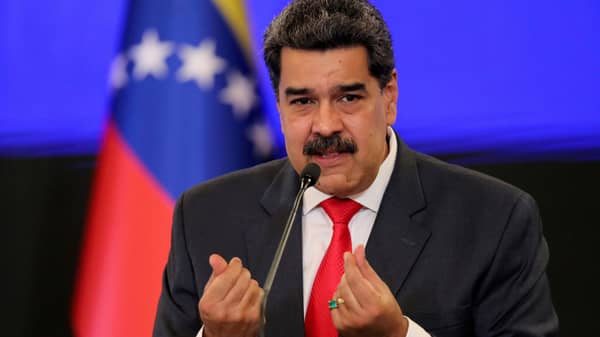
World leaders have continued to question the legality of last Saturday’s airstrike against Venezuela by the United States (U.S.) and the subsequent arrest of President Nicolas Maduro and his wife.
Since the incident, influential world leaders and stakeholders have taken to their media spaces to condemn Trump’s action, describing it as undemocratic and a violation of international laws on territorial integrity and national sovereignty.
Although chances are slim that the ousted President will regain his seat, considering what many people perceived to be a crude oil war, his counterparts across the world have, nevertheless, pledged their support for him.
Also, the Supreme Court’s appointment of the country’s Vice President, Delcy Rodriguez, as interim President against Trump’s threat of running Venezuela until a “safe, proper and judicious transition” is ensured, appeared to be saying otherwise.
Rodriguez, who has been speaking after the swearing-in on state television, insisted that Maduro remained Venezuela’s only President.Even as America accused Maduro of corruption, drug deals and suppression of Venezuelan citizens, many people attributed Trump’s attack to his statement about Venezuela on December 18, 2025, while taking questions from reporters.
Trump had accused the country of taking America’s oil and vowed to take it back. “They took our oil rights. We had a lot of oil there. They threw our companies out. And we want them back.”
Irrespective of the grouse, criticisms have trailed the usurpation of power in Venezuela under the circumstances and without the country’s consent or that of the United Nations Security Council (UNSC) authorisation, stressing that the action was unlawful under international law.
The conduct was also considered a breach of Article 2(4) of the UN Charter, which prohibits the use of force against the territorial integrity or political independence of a state and a violation of the principle of state sovereignty and non-intervention, which is a cornerstone of customary international law.
European Union (EU), Economic Community of West African States (ECOWAS), China and Russia are among countries and groups asking the U.S. to apply caution and respect international law in its dealings with independent countries.
European Commission Chief, Ursula von der Leyen, and the European Council President, Antonio Costa, echoed their support for the people of Venezuela and support for a peaceful and democratic transition, stressing that any solution must respect international law and the UN Charter.
Russia also urged the U.S. to reconsider its position and release the legally elected president of the sovereign country and his wife.
However, Italian Prime Minister Giorgia Meloni defended the U.S. military action, calling it legitimate ‘defence’ even as she believed that military force should not be used for regime change.
French Minister for Europe and Foreign Affairs, Jean-Noel Barrot, wrote on X: “Maduro ‘gravely violated’ the rights of Venezuelans, but the military operation that led to him being grabbed contravenes the principle of non-use of force, which underpins international law.”
Barrot warned that no lasting political solution could be imposed from the outside and that “the increasing violations” of such principle by permanent UNSC members will have serious consequences for global security, sparing no one.”
The Turkish government has also called on all parties to act with restraint to prevent the current situation from leading to negative consequences for regional and international security.
Brazilian President, Luiz Inacio Lula da Silva, described the U.S. action as a “serious affront” to the country’s sovereignty, echoing criticism made by fellow regional heavyweight Mexico.
He added that “the bombings in Venezuelan territory and the capture of its president crossed an unacceptable line and threatened the preservation of the region as a zone of peace.
He consequently urged the international community, through the UN, to respond vigorously to the attacks. China also firmly opposed both the military strikes and the capture of the country’s leader, calling it a violation of international law.
British Prime Minister, Keir Starmer, said all countries should uphold international law. In a statement yesterday, the Economic Community of West African States (ECOWAS) said it followed the development with concern.
While it recognised the right of states to fight international crimes, including terrorism and drug trafficking, it reminded the international community about their obligation to respect the sovereignty and territorial integrity of one another as enshrined in Article 2 (4) of the UN Charter.
“ECOWAS fully aligns itself with the statement the African Union issued on January 3 that calls for restraint and inclusive dialogue among the people of Venezuela.
“It reiterates its solidarity with the people of Venezuela and urges all states to respect the independence and territorial integrity of Venezuela. It expresses support to the people as they shape the future of their country through an inclusive process,” the statement reads. Civil Society Legislative Advocacy Centre (CISLAC) expressed worries over the legality of U.S. actions.
The Executive Director, Auwal Musa Rafsanjani, said that in a situation of war crime or killing of innocent people, it is possible to protect human lives.
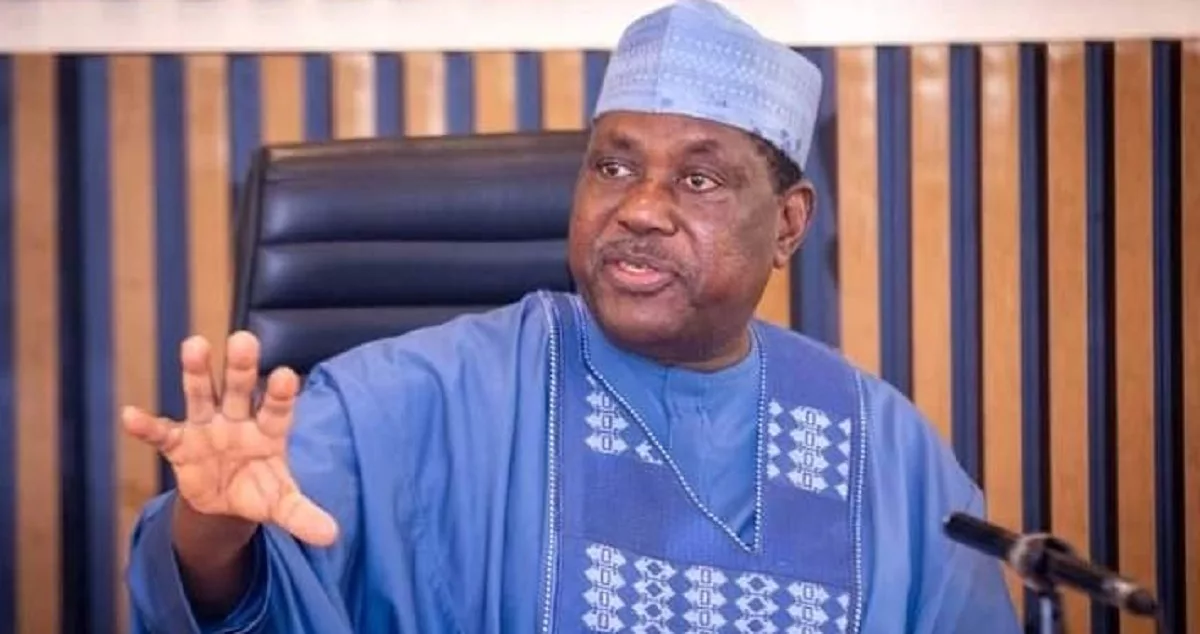
But he was not in tune with any international law that backed ousting a sitting president. Former Nigerian ambassador to Mexico, Ogbole Amedu-Ode, described what transpired between the U.S, and Venezuela as gunboat diplomacy, a foreign policy that is supported by the use of threat or military force
“They went into a sovereign country, compromised its security and then grabbed the President and his wife and took them to their territory. That is gunboat diplomacy,” he said.
Amedu-Ode disabused the minds of those comparing America’s interference with Nigeria’s recent intervention in the Republic of Benin, noting that Nigeria was invited by the sitting President to save the country from a non-constitutional change of government.